
Abdominoplasty
Surgery Turkey
Through Global Medical Care, access a coordinated facilitation service for tummy tuck surgery in Turkey — connecting you with experienced partner surgeons and hospitals.





Tummy Tuck
Surgery
Turkey


Through Global Medical Care, access a coordinated facilitation service for tummy tuck surgery in Turkey — connecting you with experienced partner surgeons and hospitals.

Tummy Tuck
Surgery
Turkey
Abdominoplasty
Surgery Turkey
Request Free Consultation

























What Is A Tummy tuck
Tummy Tuck Surgery
Tummy Tuck Surgery
A tummy tuck, medically known as abdominoplasty, is a plastic surgery procedure designed to improve the appearance of the abdominal area. The surgery involves the removal of excess skin from the abdomen and may also include the tightening of abdominal muscles, working towards a firmer, smoother abdominal profile. Individual results vary.
Common reasons individuals consider a tummy tuck include:
Excess Skin: Often a result of significant weight loss or pregnancy, excess skin in the abdominal region can be challenging to address through diet and exercise alone.
Stubborn Fat Deposits: Despite efforts to lose weight, some individuals may have persistent pockets of fat in the abdominal area that are resistant to diet and exercise.
Muscle Tightening: Pregnancy or ageing can lead to the separation of abdominal muscles, and the procedure may address this by tightening and firming the abdominal wall.

Abdominoplasty surgery typically involves an incision made low on the abdomen, usually below the bikini line, through which the partner surgeon removes excess skin and fat. The underlying abdominal muscles may also be tightened during the surgery. After the necessary adjustments, the remaining skin is re-draped and the incision is closed.
Recovery time varies, but clients are generally advised to avoid strenuous activities for a few weeks and to follow post-operative care instructions provided by their partner surgeon.
It is important to note that abdominoplasty is a significant surgical procedure. Anyone considering it should thoroughly discuss their expectations, potential risks, and recovery process with a partner surgeon prior to proceeding. To determine whether the procedure may be suitable for your circumstances, request a consultation through Global Medical Care.
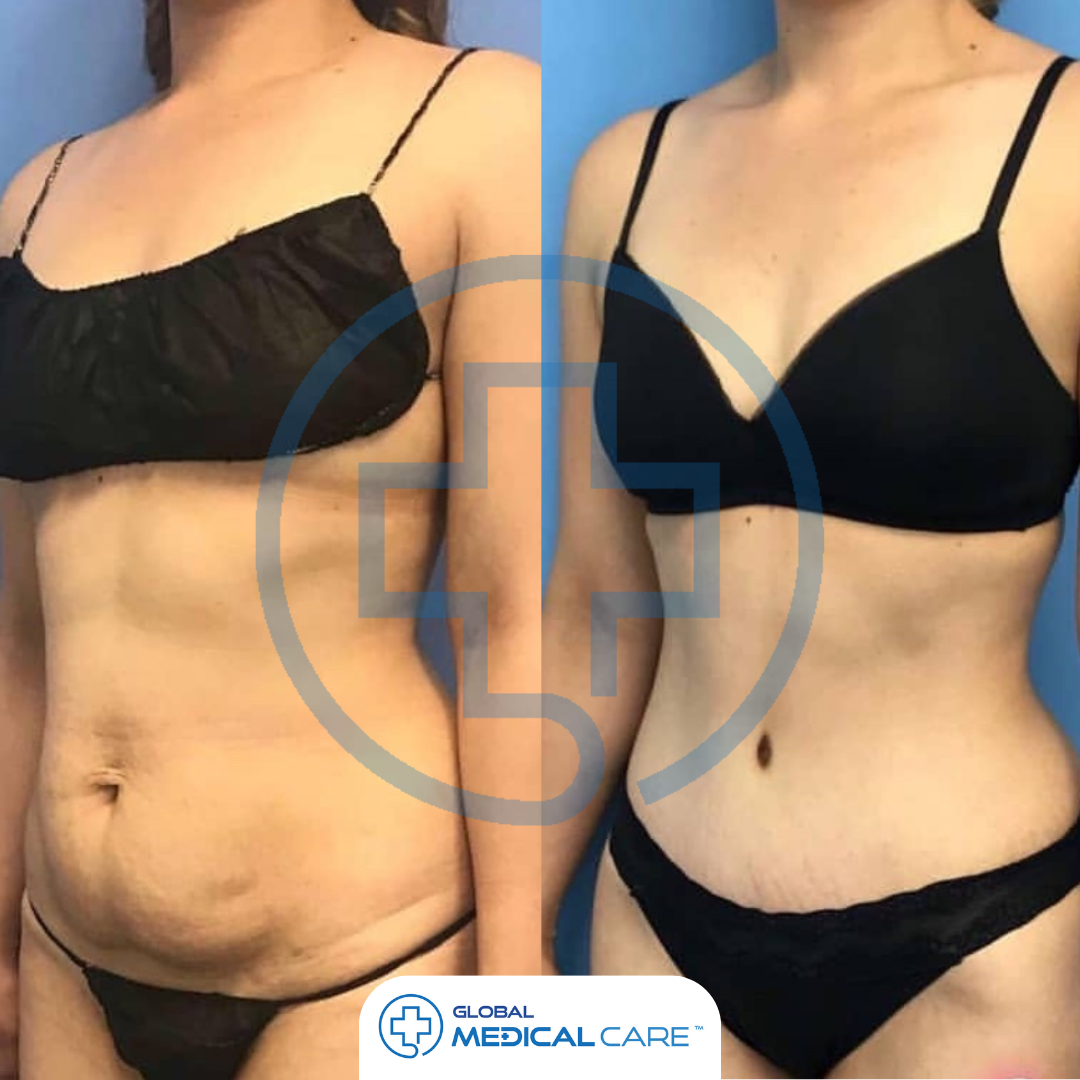
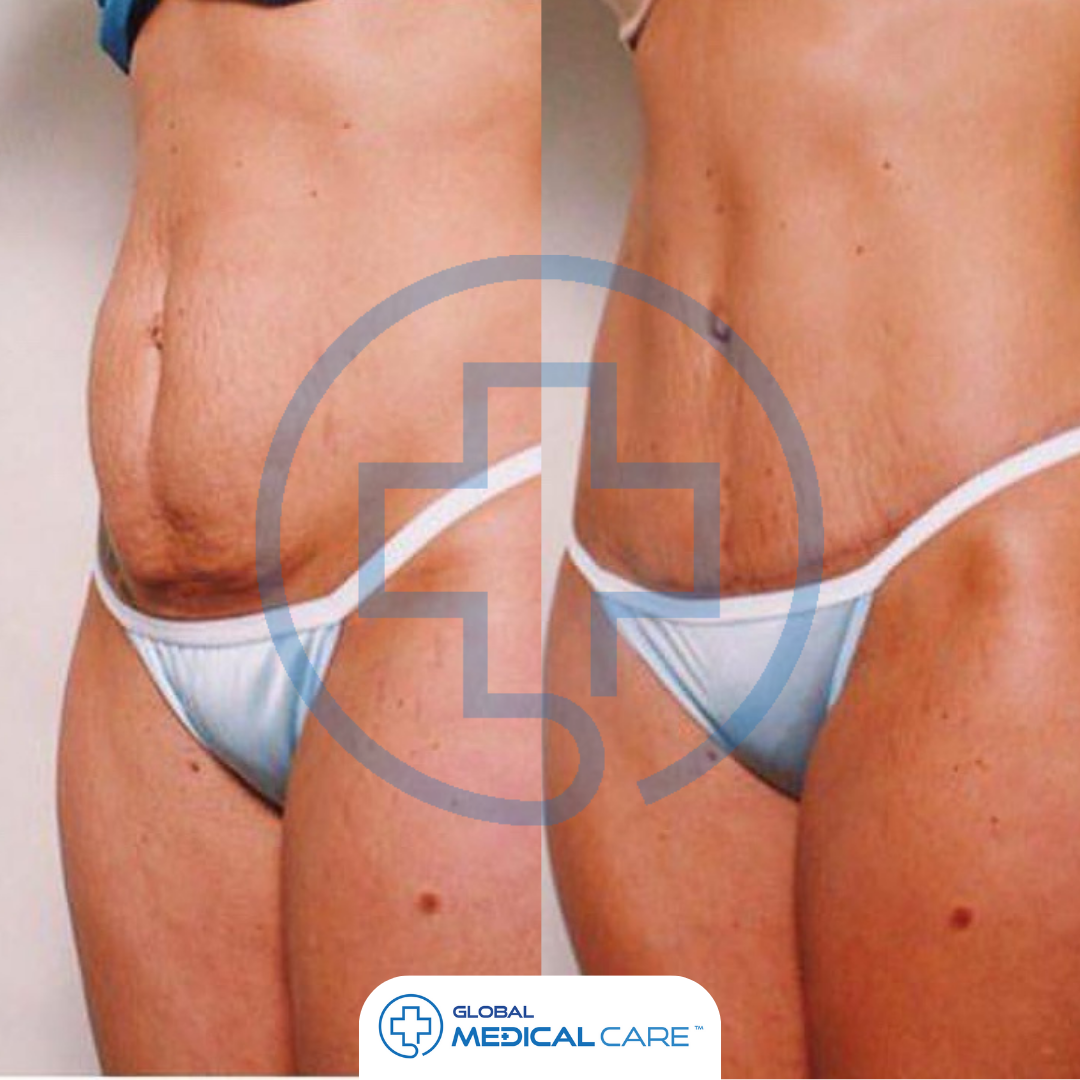
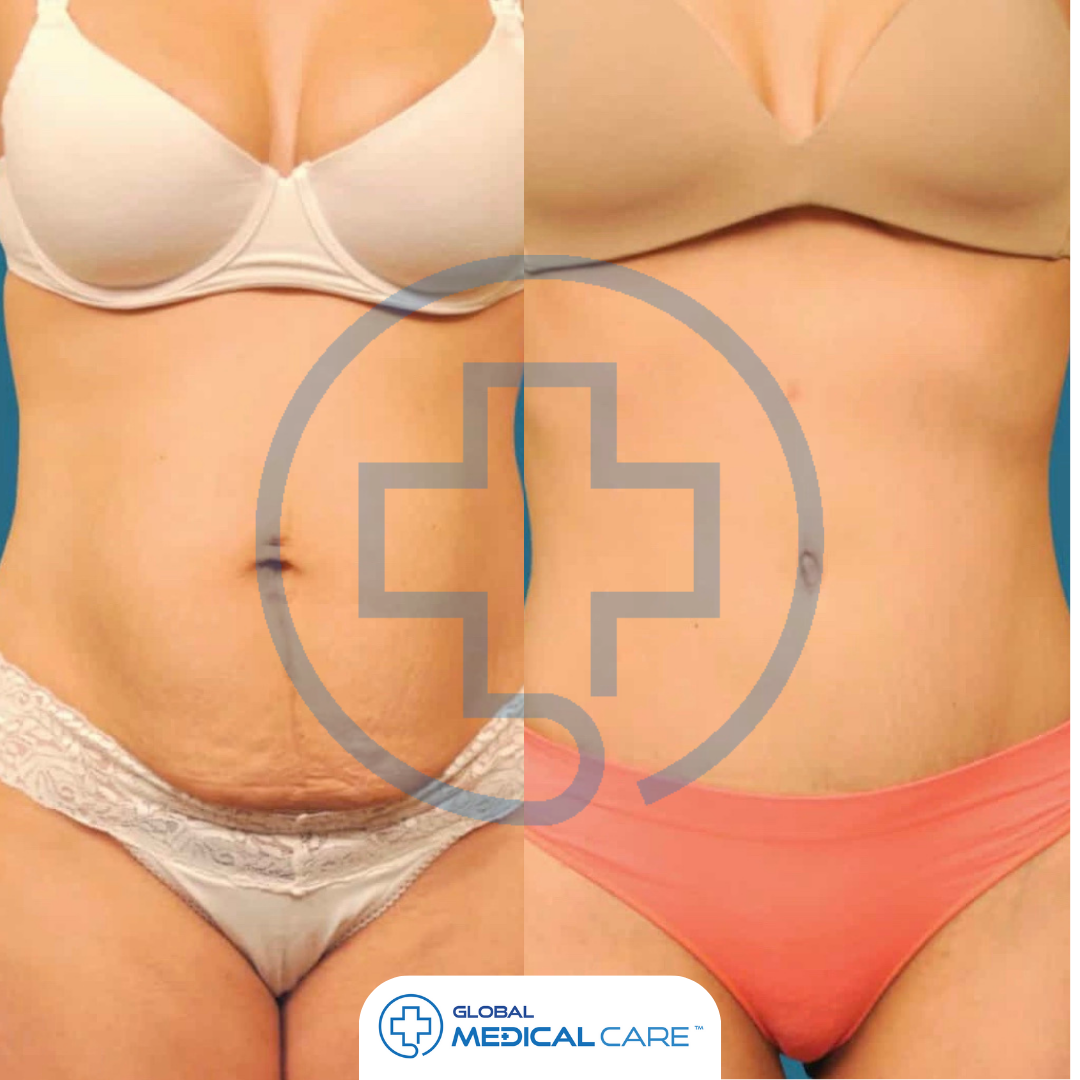
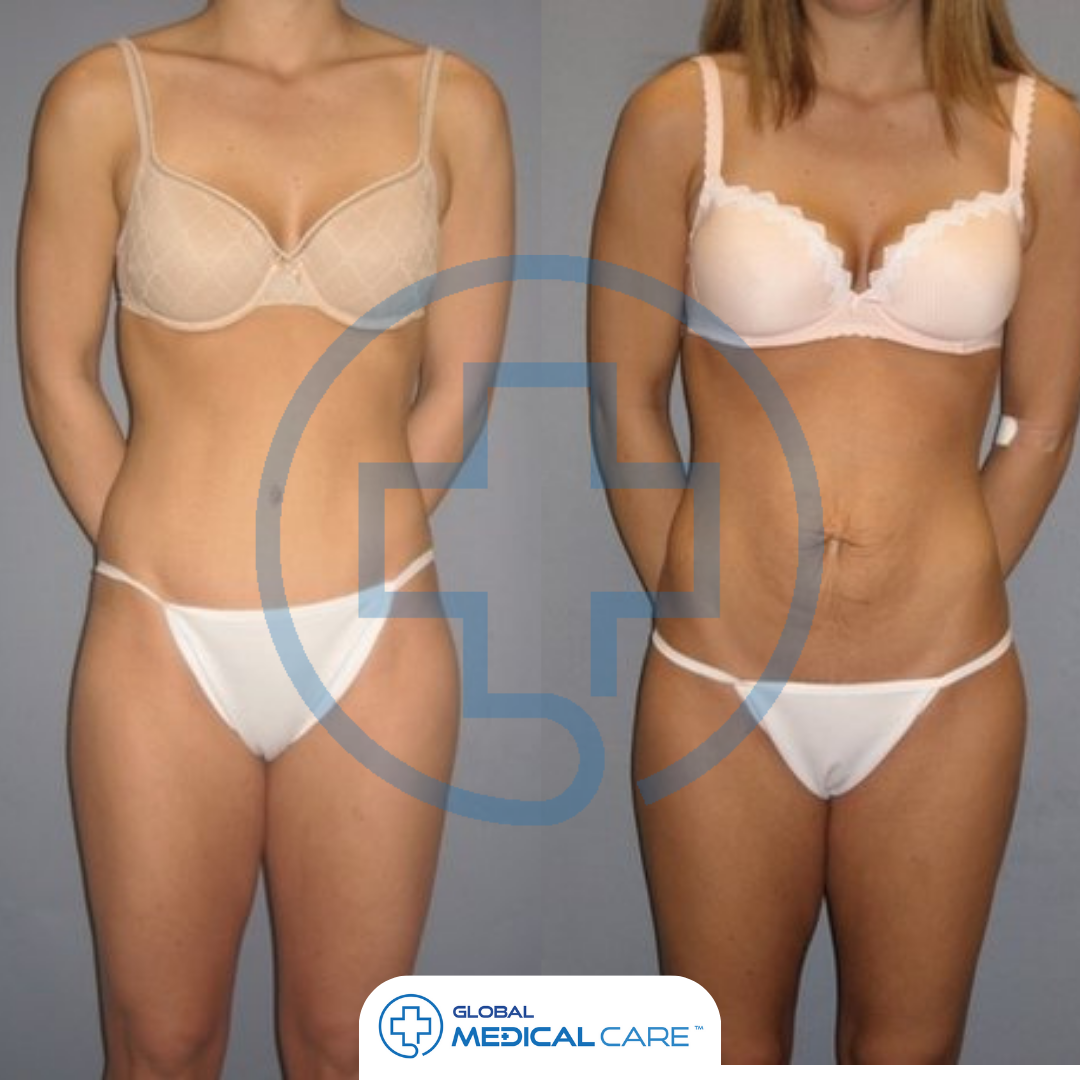
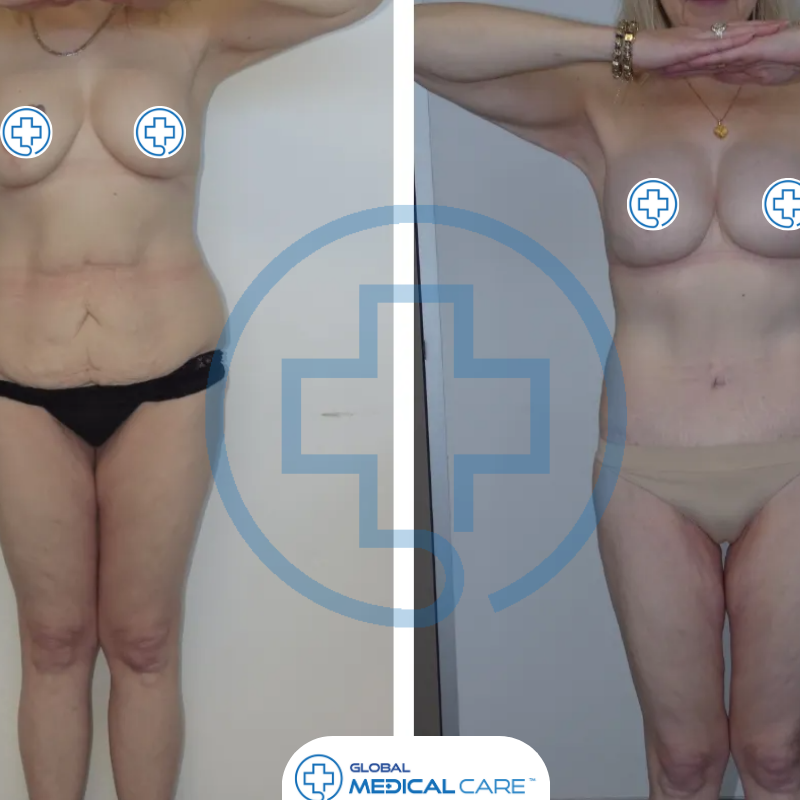
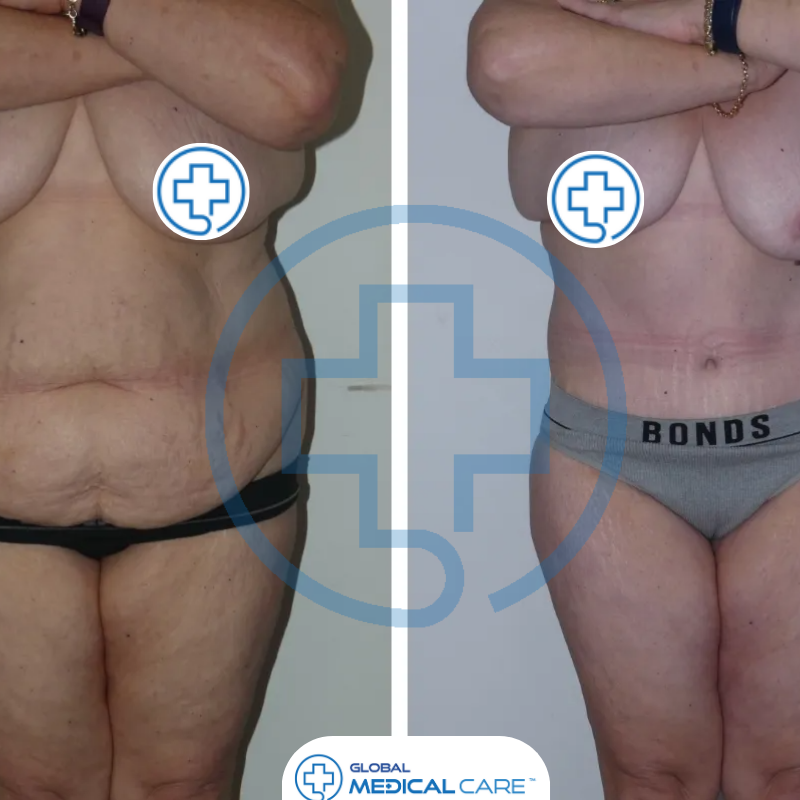
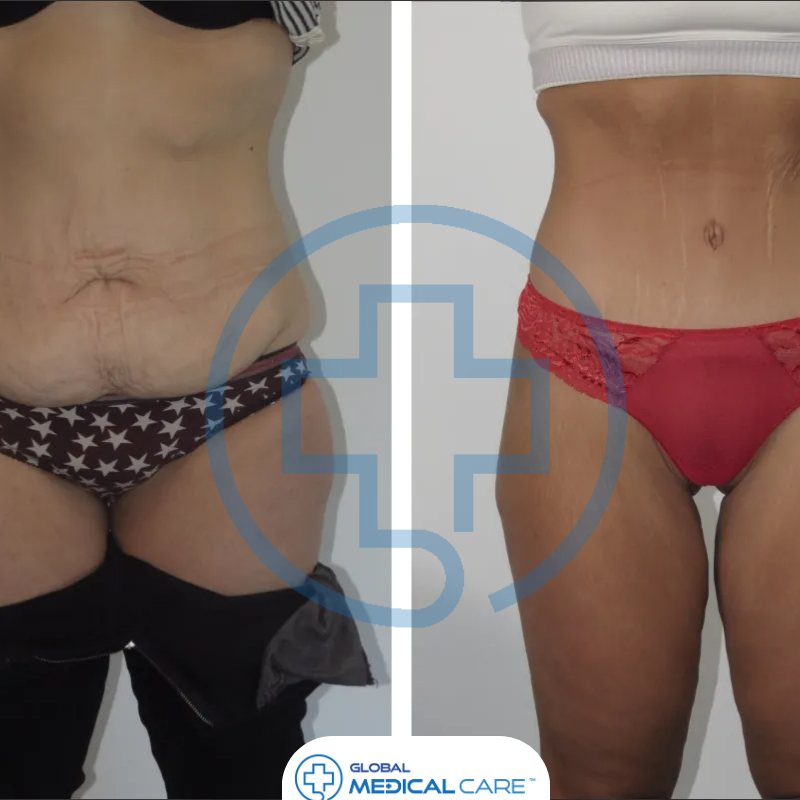
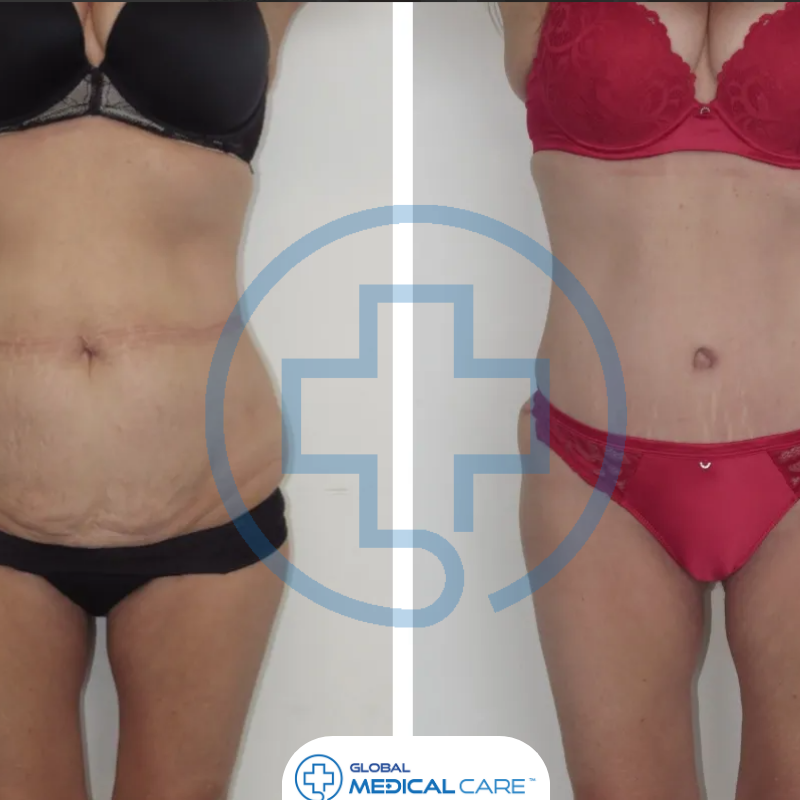
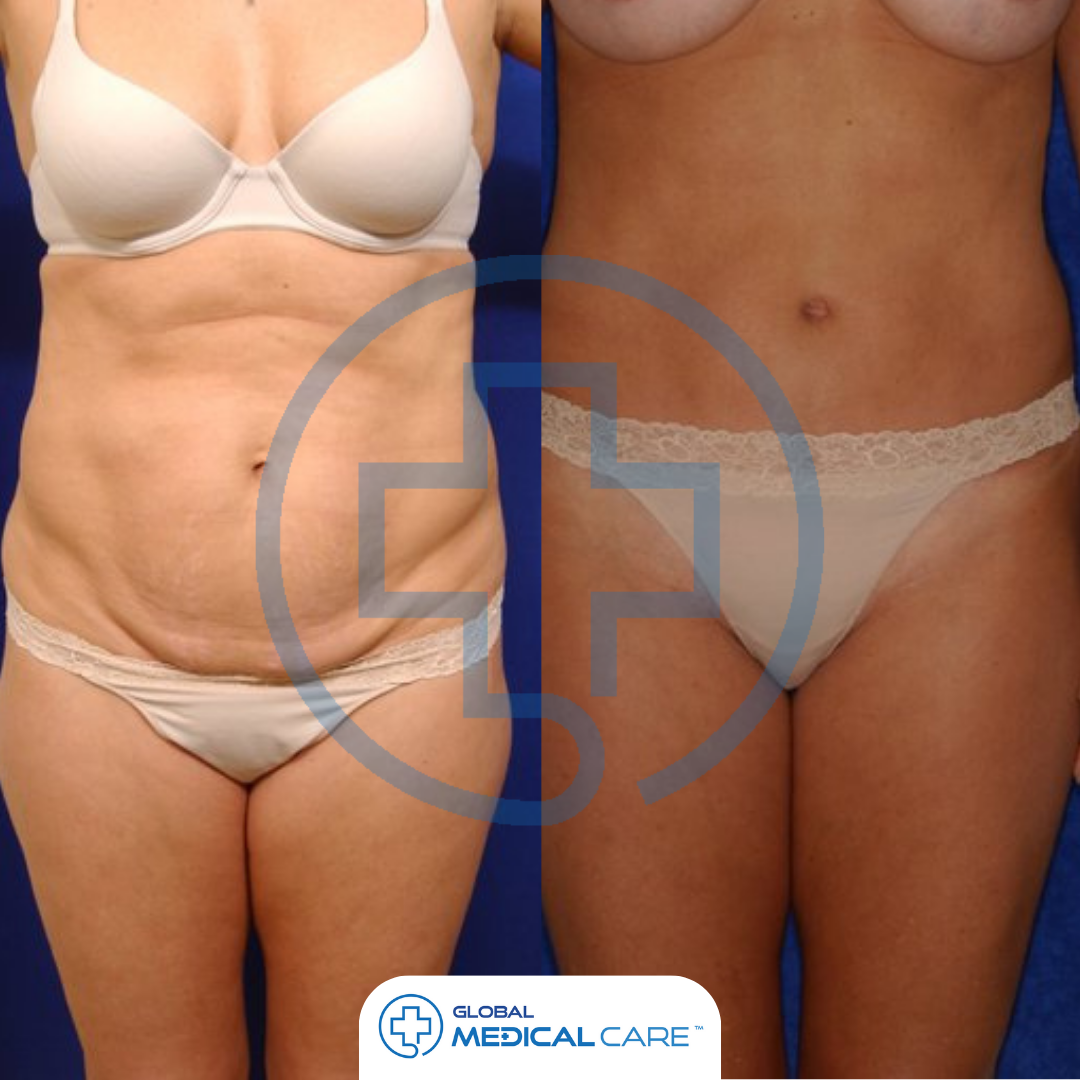
Tummy Tuck Before And After
These images show results achieved by clients of our partner surgeons. Individual results may vary depending on each client’s circumstances, health profile, and the procedures performed.
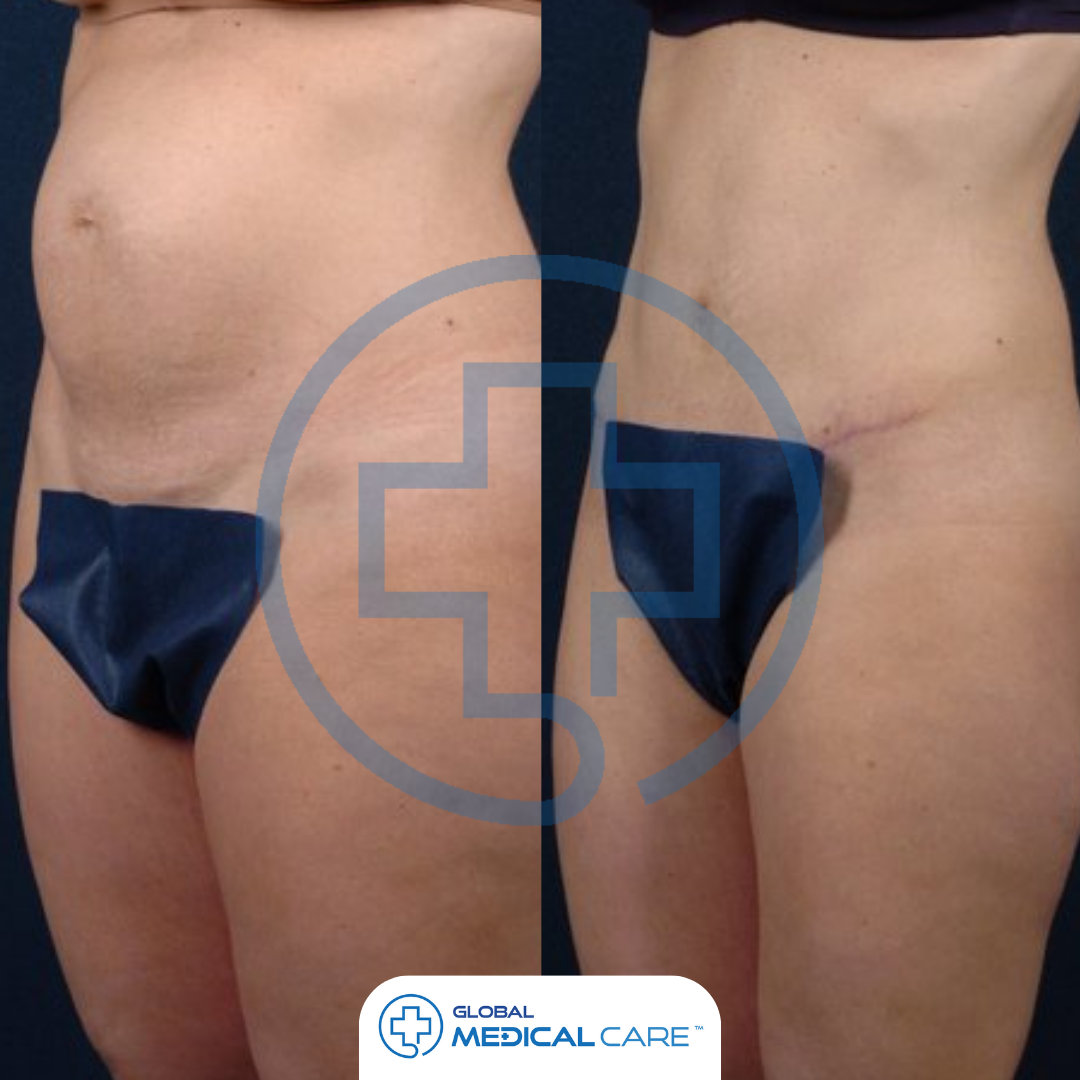
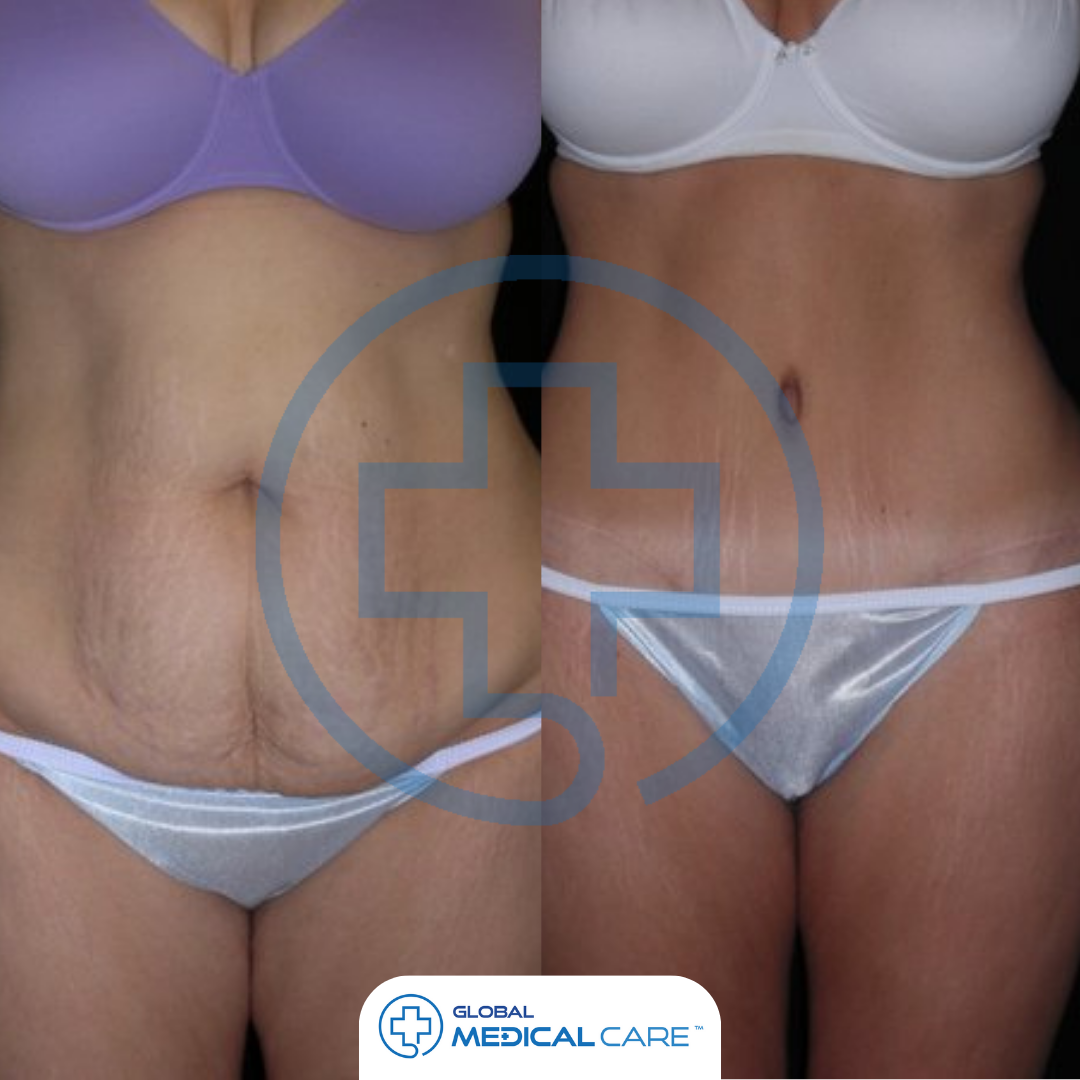
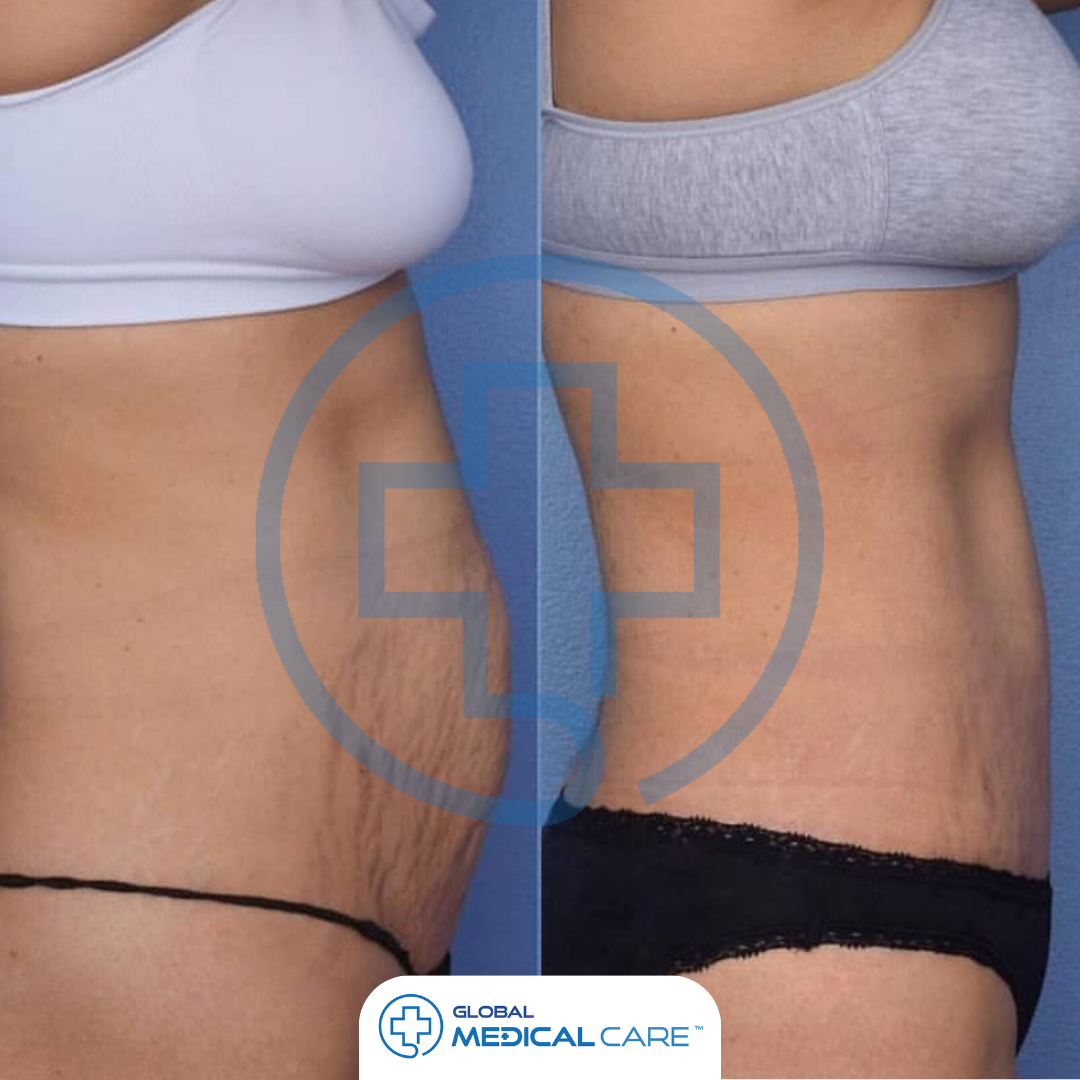
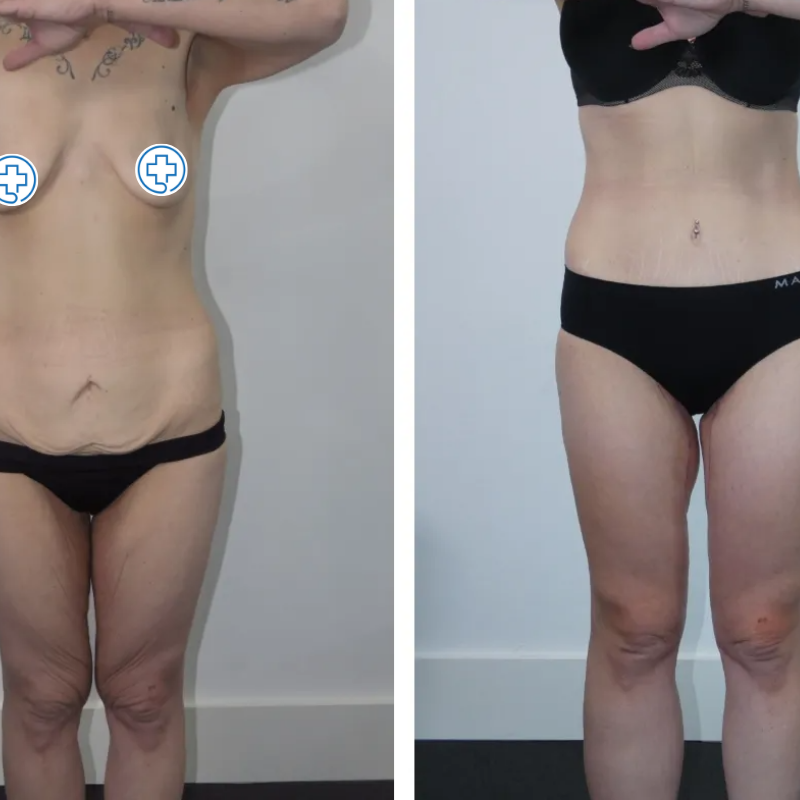
Tummy Tuck Procedure Explained
Before undergoing a tummy tuck, it is important to understand what the procedure involves. It is usually performed under general anaesthesia and can take several hours to complete, depending on the extent of the surgery. The partner surgeon makes an incision along the lower abdomen, carefully removing excess skin and fat. In some cases, the abdominal muscles may also be tightened, working towards a more contoured abdominal appearance. The incisions are then closed and the client is moved to a recovery area. Some discomfort and swelling following the procedure is common and may be managed with pain medication and compression garments. Individual results vary.
Recovery and Aftercare for a Tummy Tuck
Proper recovery and aftercare following abdominoplasty are important for supporting the healing process. It is essential to follow your partner surgeon’s instructions carefully. During the initial recovery period, some pain, swelling, and bruising is normal. Your partner surgeon may prescribe pain medication to help manage discomfort. Strenuous activities and heavy lifting should be avoided for several weeks after the procedure. Wearing compression garments is also generally recommended to support healing and help reduce swelling. As the weeks progress, clients are typically able to gradually resume regular activities, though final results may take several months to become fully visible. Individual results vary.
Managing and Minimizing Tummy Tuck Abdominoplasty Scars

One concern that many individuals have when considering a tummy tuck is the visibility of scars. While some scarring following the procedure is to be expected, there are steps that may help manage and minimise its appearance. It is important to keep the incision site clean and follow your partner surgeon’s aftercare instructions carefully. Applying scar creams and ointments may also help to reduce the visibility of scars over time. Additionally, protecting the incision site from direct sunlight is advisable, as UV rays can darken scars. In many cases, scarring from the procedure may fade and become less noticeable over time, though individual outcomes vary depending on each client’s circumstances and health profile.
These images show results achieved by clients of our partner surgeons. Individual results may vary depending on each client’s circumstances, health profile, and the procedures performed.
Tummy Tuck Scar
The scar resulting from a tummy tuck, or abdominoplasty, typically depends on the specific technique used and the individual’s healing process.
Location: The scar is usually located low on the abdomen, spanning horizontally between the hip bones. Its placement is generally designed to be concealable by underwear or swimwear.
Length: The length of the scar varies depending on the extent of the surgery, but it typically extends from hip to hip.
Appearance: Initially, the scar may appear red, raised, or slightly lumpy. Over time, it may fade and flatten, becoming less noticeable. Individual outcomes vary.
Healing: The scar will go through different stages of healing. Initially, it may be sensitive or itchy, but these sensations generally diminish over time.
Scar Care: Your partner surgeon will provide instructions for scar care, which may include keeping the area clean, avoiding sun exposure, and using scar-reducing treatments such as silicone gel or sheets.
Long-Term Outcome: While the scar is unlikely to disappear completely, in many cases it may fade considerably over time and become less noticeable, particularly with consistent scar care and sun avoidance. Individual results vary.
It is important to follow your partner surgeon’s post-operative instructions carefully to support the healing process and help minimise the appearance of the scar. If you have any concerns about your scar’s appearance during recovery, discuss them with your partner surgeon.
Is Abdominoplasty Suitable for Me?
Suitability for abdominoplasty depends on individual circumstances and health profile. Through Global Medical Care, clients have the opportunity to consult with a partner surgeon prior to travelling, allowing expectations, suitability, and procedure options to be discussed in advance.

For more information about Tummy Tuck (Abdominoplasty)
Tummy Tuck Cost
UK vs. Turkey Abdominoplasty Cost
Tummy tuck costs in the UK typically range from £6,000 to £9,000. Through Global Medical Care’s facilitation service, clients may access the procedure in Turkey at a significantly more competitive price point, with flexible package options available.
Abdominoplasty Price in Turkey
Tummy tuck pricing varies depending on the following factors:
- Qualifications and accreditation of the partner clinic
- Type of procedure (Full or Mini abdominoplasty)
- Accreditations and experience of the partner surgeon
Please fill in the Free Consultation Request form and a patient coordinator will come back to you with 3 tailored package options within 24 hours.
Request Free Consultation
Please fill in the form below and follow the instructions. One of our patient coordinators will be in touch. There is no commitment at this stage.
Testimonials
See what our clients are saying
The testimonials shared on this website reflect the individual experiences of clients. Results and experiences vary. Global Medical Care is a facilitation intermediary and does not provide medical treatment directly.




Tummy Tuck Recovery Time
Recovery time for tummy tuck (abdominoplasty) varies but typically takes between two to four weeks. During this period, it is important to follow post-operative instructions, wear compression garments, and avoid strenuous activities. While some discomfort and swelling are normal, most clients may begin to feel more comfortable within a few weeks, although complete recovery may take several months. Individual timelines vary.
Initial Days
Possible overnight stay at the partner hospital. Pain management with prescribed medication. Limited activity — rest is essential.
First Few Weeks
Wear compression garments as directed. Follow all post-operative care instructions provided by your partner surgeon. Avoid strenuous activities.
First Month
Gradually resume light activities. Monitor the incision site for any signs of infection. Attend all scheduled follow-up appointments.
First Three to Six Months
Manage scars as per your partner surgeon’s advice. Slowly reintroduce exercise with your partner surgeon’s approval.
Long-Term
Final results may take several months to fully develop. Maintaining a healthy lifestyle may help support longer-term outcomes. Individual results vary.
Throughout the recovery period, GMC’s patient coordinators will maintain proactive follow-up contact for up to 12 months. Any concerns should be raised promptly with your coordinator, who will liaise with the partner clinic on your behalf. Individual recovery experiences vary.
Risks and considerations of a Tummy Tuck (Abdominoplasty)
As with any surgical procedure, abdominoplasty carries inherent risks that it is important to understand before proceeding. Potential risks include infection, bleeding, scarring, and numbness. Your partner surgeon will discuss these risks in detail during the consultation and provide information on how they may be managed.
Managing expectations is important. While the procedure aims to improve the abdominal contour by addressing excess fat and skin, individual results vary depending on factors such as body type, health profile, and healing ability. Your partner surgeon will assess your individual circumstances and discuss realistic expectations during the consultation process.
Abdominoplasty Side Effects
Abdominoplasty carries potential side effects including infection, formation of scar tissue around the surgical site (capsular contracture), and alterations in sensation. Selecting a partner surgeon with relevant experience and adhering to post-operative guidelines are important steps in helping to minimise these risks. Individual experiences vary.
FAQs
Some clients choose to combine breast surgery with a tummy tuck procedure. This is a common combination for clients who have experienced changes to both the abdominal area and the breasts following pregnancy. Having both procedures in a single visit may offer combined package pricing. Individual suitability should be discussed with a partner surgeon during consultation.
As a result of a tummy tuck procedure, stretch marks in the lower abdominal area are generally removed along with the excess skin. Upper stretch marks may also be repositioned downward during the procedure and may be addressable subsequently. Individual outcomes vary.
It is advisable to resume activities gradually following the procedure. Some fatigue in the first few days is normal, and most clients are able to return to routine activities within approximately one week. It is important to follow the post-operative instructions and prescription provided by your partner surgeon.
A comfortable compression garment should generally be worn for approximately six weeks following the procedure, as directed by your partner surgeon.
Yes. Many clients choose to have a tummy tuck and liposuction procedures combined in a single visit. Combining procedures can be more straightforward for the partner surgeon and may also reduce the likelihood of requiring a separate liposuction procedure at a later stage. Individual suitability should be confirmed during consultation.
Yes. Many male clients proceed with abdominoplasty. The procedure is commonly chosen by men looking to address excess fat and skin in the abdominal area. Individual suitability depends on each client’s circumstances and should be discussed with a partner surgeon.
The primary aim of a tummy tuck is to remove excess fat and sagging skin from the abdominal area, working towards a flatter and firmer abdominal profile. The procedure may also address existing abdominal scarring and contribute to improved body proportion. Individual results vary depending on each client’s circumstances and health profile.
Several incision techniques are available for tummy tuck procedures. Traditional approaches include straight horizontal and V-shaped incision lines. Partner surgeons commonly place the incision along the bikini line, which means the resulting scar is generally concealable by underwear. The most appropriate technique will be determined by the partner surgeon based on each client’s individual anatomy and goals.
Your partner surgeon will provide detailed post-operative instructions tailored to your situation. The following is general guidance only — please follow the specific instructions provided by your partner surgeon:
- Significant pain during the first 24 hours is common — take prescribed pain medication before pain becomes severe
- Follow the medication plan provided by your partner surgeon, including prescribed pain relief and antibiotics
- Drink plenty of fluids during the first few weeks to remain well hydrated and help reduce swelling
- Some swelling and bruising are normal — final results are generally visible between 3–6 months post-procedure
- A drain may be placed at the surgical site following the procedure to help remove excess fluid — take care with positioning in bed accordingly
- Absorbent gauze pads may be changed as needed to keep the incision clean and dry
- A surgical compression garment will be applied immediately after surgery — wear continuously for the first week, then remove only for showering, and continue wearing for up to six weeks
- Limit activity for the first 24 hours after surgery
- Take short walks during the first 24 hours post-procedure
- It is normal not to be able to stand fully upright immediately after the procedure
- Take frequent deep breaths during the first 24 hours
- Avoid activities that cause pain or discomfort
- Keep hips flexed while lying down during the first week and avoid stretching the surgical area
- Do not drive for approximately 10–14 days while taking prescribed pain medication
- You may gradually stand more upright by the end of the second week
- Pump your legs while lying down to help prevent blood clots — move slowly and avoid heavy lifting, bending, and straining for 4–6 weeks
- Most activities may be resumed after six weeks, subject to partner surgeon approval
Your partner surgeon will provide a detailed, personalised list of pre-operative instructions. The following is general guidance only — please follow the specific instructions provided by your partner surgeon:
- Inform your partner surgeon of any routine medication and your health history
- Required laboratory, EKG, and tomography tests (where applicable) should be completed prior to surgery — abdominoplasty should not be proceeded with if future pregnancy is anticipated
- Avoid Aspirin, Ibuprofen, non-steroidal anti-inflammatory medications, and Vitamin E supplements for two weeks before surgery
- Avoid all nicotine products — including cigarettes, pipe tobacco, chewing tobacco, and nicotine patches — for two weeks before surgery
- Avoid alcohol consumption for one week before the procedure
- Do not eat or drink anything after 9pm the night before the operation — no food, water, coffee, juice, or liquids on the morning of surgery, except for any medication taken with a small amount of water
- You may brush your teeth on the morning of surgery
- You may shower using shampoo on the morning of surgery
- Do not wear make-up or hair sprays/conditioners — remove nail polish (acrylic nails may remain)
- Wear loose-fitting, comfortable clothing
- Do not wear any jewellery, including body piercings
- If you have your menstrual cycle, use a sanitary pad rather than a tampon
If pregnancy occurs after the procedure, the effects of the operation may be affected. As abdominoplasty involves the abdominal muscles and fat areas, changes resulting from pregnancy and childbirth may alter the outcome. The abdominal muscles that were tightened during the procedure may loosen following childbirth. This is an important consideration to discuss with a partner surgeon prior to proceeding.
In a mini tummy tuck, a smaller area of the abdomen is affected — with skin removal or muscle tightening limited to the area below the belly button. In a standard (full) tummy tuck, the procedure covers a wider zone, including the lower abdominal area more broadly. The most appropriate approach depends on individual circumstances and will be recommended by the partner surgeon following assessment.
Although it may vary from client to client, here is a typical schedule:
Day 1
- You arrive at the airport, where a driver will meet you at the customs exit with a name tag
- You will be taken to the partner hospital and introduced to your patient coordinator, who is fluent in your language
- After initial registration, you will meet your partner surgeon in person — they will explain the procedure, examine you, and discuss your preferences and expectations
- Final pre-operative checks will be carried out, which may include laboratory tests and, where required, tomography
- The procedure will begin and generally lasts between two to five hours
- Within approximately one hour of the procedure, anaesthesia will ease and you will regain consciousness
- Drainage may be required following the procedure to remove excess fluid — bed positioning should be managed carefully
- Your partner surgeon will carry out an initial check-up and you will stay at the partner hospital on the first night
Day 2
- Rest and recovery day
- Your partner surgeon will carry out a morning check-up
- You will be advised on medication, dressing routine, and compression garment use
- You will continue to stay in the hospital and rest for the remainder of the day
Day 3
- Further rest and recovery day
- Your partner surgeon will carry out a morning check-up before hospital discharge
- You will move to your hotel room and rest for the remainder of the day
Days 4 and 5
- Continue to rest as much as possible
- Avoid strenuous activity, though light walks or going out for dinner are generally manageable
- Light sightseeing or shopping may be a suitable option, depending on how you feel
Day 6
- You will return to the partner hospital for final checks, removal of drainage and stitches, and a dressing change
- Your partner surgeon will advise on medication and the activities you may resume during recovery
- You will generally be ready to return home after Day 6
