
5-in-1 Woman's Hair Transplant
Turkey





5-in-1
Woman
Hair
Transplant
Turkey


Global Medical Care connects you with partner clinics specialising in the proprietary 5-in-1 hair transplant method — a technique that goes beyond transplanting existing grafts by also stimulating new follicular growth for a fuller, more natural result. This approach is exclusive to our partner specialist network and is not available through standard hair transplant providers.

5-in-1
Woman Hair Transplant
Turkey
5-in-1 Woman Hair Transplant
Turkey
Free Hair Analysis


























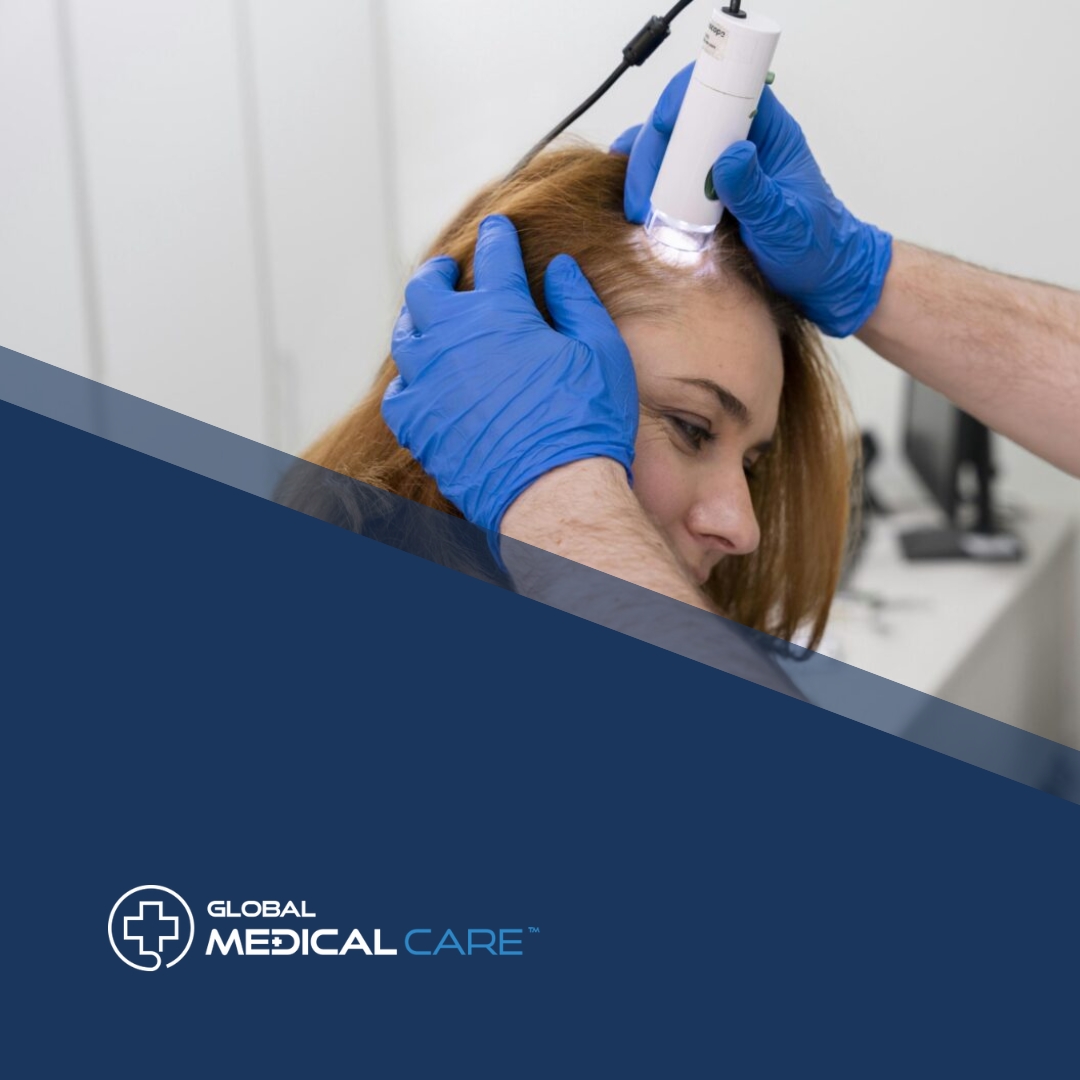
best woman hair
Transplant in turkey
Women's Hair Transplant Turkey
Why Choose Global Medical Care for Your Women's Hair Transplant in Istanbul?
Global Medical Care (GMCare) is a specialist medical facilitation agency connecting women across the UK and Europe with leading partner clinics in Istanbul for hair transplant procedures.
Our partner clinics combine experienced surgical teams, advanced hair restoration technologies, and purpose-built facilities in Istanbul — selected by GMCare for their clinical credentials, and track record.
Through our proprietary 5-in-1 women’s hair transplant method, we connect you with partner specialists who go beyond standard graft transplantation — addressing hair density, scalp health, and follicular regeneration as part of a comprehensive treatment plan delivered by your partner clinic. Flexible payment plans are also available.
Woman Hair Transplant — Client Experiences
Our partner clinics document procedure outcomes as part of their standard clinical practice. Individual results vary depending on the degree of hair loss, donor density, and the specific hair restoration technique recommended by your partner surgeon following consultation. To discuss what outcomes may be realistic for your individual situation, request a free consultation and we will connect you with a specialist partner clinic.

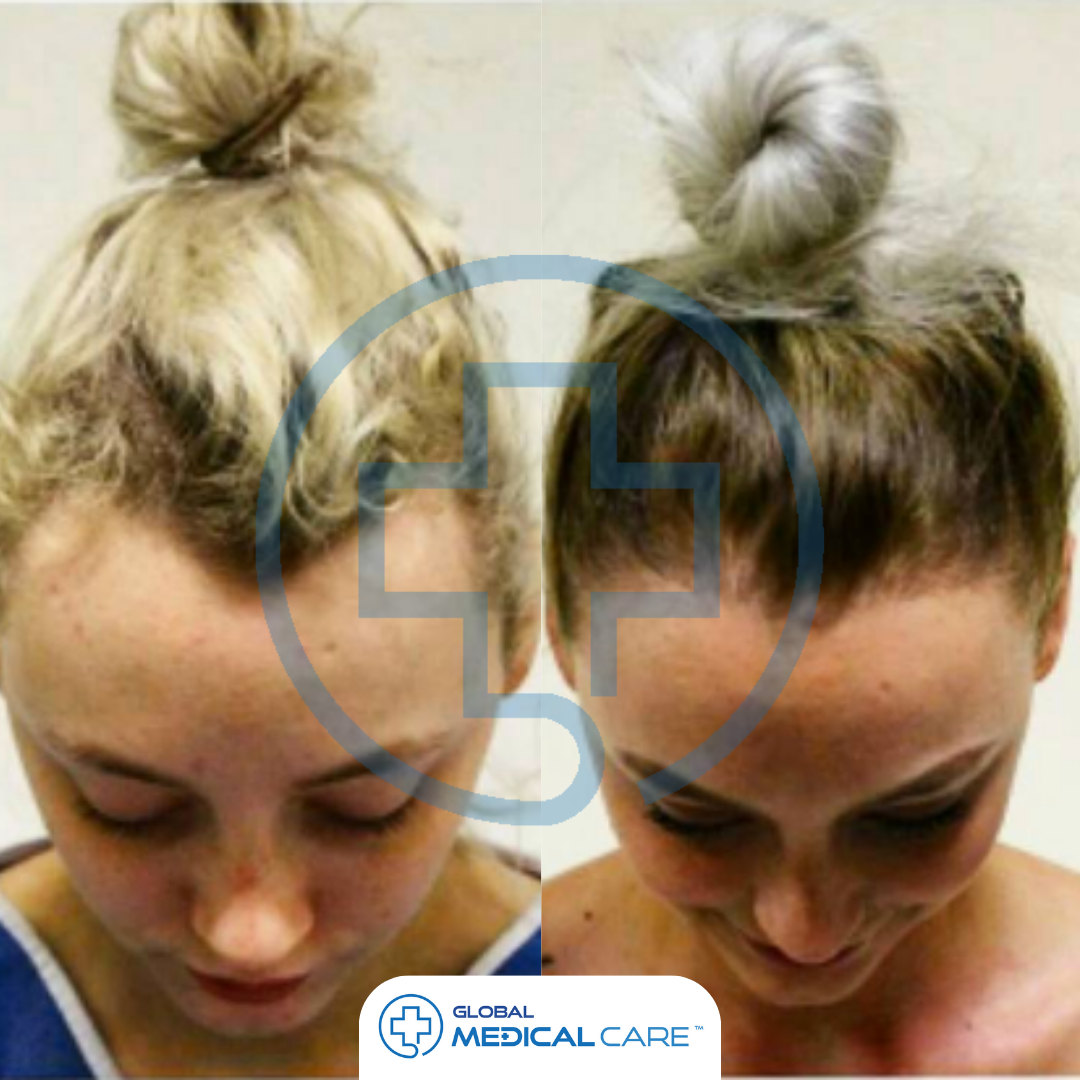

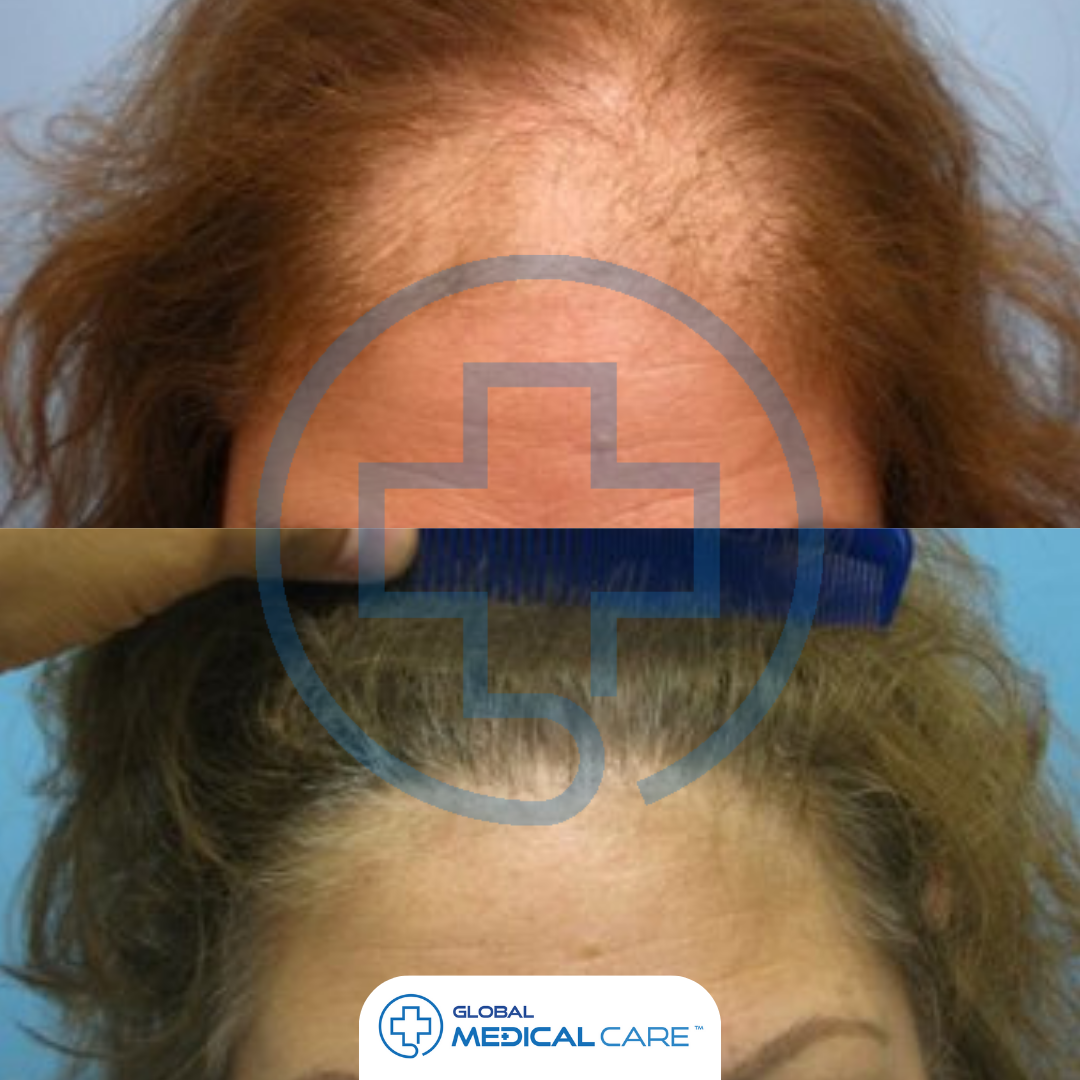
Unique 5-in-1 Hair Transplant for Women
Our partner clinics document procedure outcomes as part of their standard clinical practice. Individual results vary depending on the degree of hair loss, donor density, and the specific hair restoration technique recommended by your partner surgeon following consultation. To discuss what outcomes may be realistic for your individual situation, request a free consultation and we will connect you with a specialist partner clinic.


1. Sapphire HT
Sapphire HT hair restoration uses precision sapphire blades to create micro-channels of a specific form, designed to improve follicle grip and placement accuracy. This technique is associated with improved follicle retention rates and a faster recovery period compared to standard steel blade methods.

2. MICRO HT
In Micro HT, specialist surgical teams select high-quality hair roots using 3rd-generation micromotors with 0.5–0.7 mm tips. This precision extraction system is designed to maximise graft yield whilst minimising trauma to the donor area, supporting a more natural-looking result.

3. HD HT
HD HT utilises specialised nano-liquids to prepare the scalp, allowing for higher-density graft placement compared to conventional methods. This approach supports the placement of a greater number of grafts per surface area, aiming for enhanced density and aesthetic outcomes.

4. Vita-ICE HT
Vita-ICE HT focuses on graft preservation between extraction and implantation. Each graft is maintained in a specialised solution enriched with antioxidants and vitamins, designed to keep follicles in optimal condition and support higher graft viability prior to placement.

5. STEMCELL HT
Stemcell HT is an advanced hair restoration technique in which partner surgeons incorporate stem cell protocols alongside standard transplantation to support healing and follicular activity. This technique is offered by our partner clinics subject to individual clinical assessment.
Explore our unique 5-in-1 hair restoration method

Request free Consultation
The Benefits of Hair Transplant for Women
- Improved self-confidence: Addressing hair loss can have a meaningful impact on self-esteem and overall wellbeing for many women.
- Natural-looking results: Advanced techniques used by partner surgeons are designed to integrate transplanted hair with existing growth — your surgeon will assess your individual hair characteristics during consultation to discuss realistic expectations.
- Long-term hair restoration: Unlike temporary treatments, hair transplantation can offer a long-term approach to thinning or hair loss, depending on the underlying cause. Your partner specialist will advise on expected longevity based on your individual situation.
- Minimal scarring with FUE: Follicular Unit Extraction (FUE) techniques, as used by our partner clinics, are associated with reduced scarring compared to older strip methods — though individual healing outcomes vary.
Women's Hair Transplant — About the Procedure
Preparing for Your Women's Hair Transplant
Global Medical Care - All-Inclusive Packages
Procedure at partner clinics
2 or 3 nights accommodation in 4 or 5 * hotels
Airport, hotel, and hospital transfers
Post-procedure lotion and shampoo
Initial tests and examinations (by parrtner clinic)
European facilitation contract
PRP Session by the partner clinic's medical team
Translator
Post-procedure medication by the partner clinic
12M proactive follow up support from your GMCare coordinator
essential
-
Sapphire HT: Precision canal opening designed to improve follicle placement and bonding.
3 in 1
-
Sapphire HT: Precision canal opening designed to improve follicle placement and bonding.
-
Micro HT: Advanced graft collection using 3rd-generation micromotors for enhanced graft yield and reduced donor area trauma
-
HD HT: Advanced scalp preparation with specialised liquids allowing up to 100 grafts per cm²
5 in 1
-
Sapphire HT: Precision canal opening designed to improve follicle placement and bonding.
-
Micro HT: Advanced graft collection using 3rd-generation micromotors for enhanced graft yield and reduced donor area trauma
-
HD HT: Advanced scalp preparation with specialised liquids allowing up to 100 grafts per cm²
-
Vita-Ice HT: Advanced graft preservation solution maintaining follicle viability between extraction and implantation.
-
Stemcell: Regenerate dormant follicules. More and thicker hair.
Request Your Individual Offer
Please click the button and follow the instructions.
One of our patient coordinators will be in touch to present you with personalised offers from our partner clinics. There is no commitment at this stage.
Testimonials
See what people are saying





Florian Leibel
France

Georges V. Pereia
Switzerland

Cyril F.
France
How Do Partner Surgeons Approach Hair Restoration?
Partner surgeons take a personalised approach to every client’s hair restoration procedure.
During consultation, your surgeon will carefully analyse past photographs and assess your potential future hair loss patterns — ensuring that the hairline and density plan accounts not only for current hair loss but for how your hair may change over time. This forward-planning approach is a core part of the surgical assessment process.
A thorough analysis of the donor area allows the surgeon to determine the number of viable follicles available and select the most appropriate transplant method for optimal coverage and graft placement. Donor area preservation is also considered, so that future procedures may remain a viable option depending on individual circumstances.
Partner surgeons specialise in creating a well-defined, natural-looking hairline that complements your facial structure, using advanced FUE techniques and — where clinically appropriate — the proprietary 5-in-1 method.
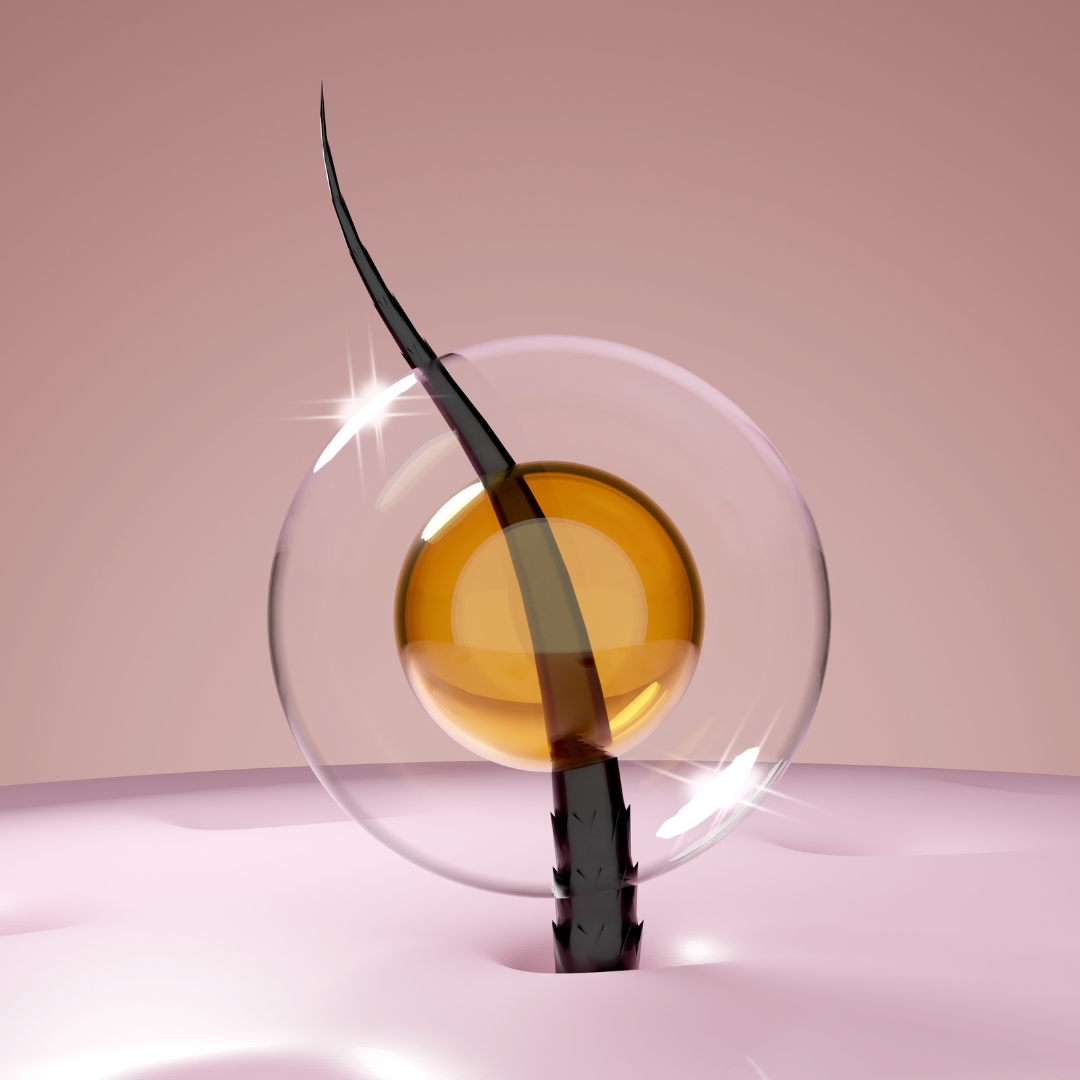
Woman Hair transplant techniques
FUE HT
The Sapphire FUE female hair transplant is an advanced technique in which partner surgeons use sapphire blades to create precise micro-incisions for follicle transplantation. The superior sharpness of sapphire blades allows for smaller, cleaner incisions compared to standard steel, resulting in reduced trauma to the scalp, minimised scarring, and a faster healing period.
During the procedure, individual hair follicles are extracted one by one from the donor area — typically the back or sides of the scalp — and transplanted into areas of thinning or hair loss. Partner surgeons make incisions in the exact shape of each follicle using the sapphire blade, ensuring precise placement and optimal follicle positioning.
The procedure is performed under local anaesthesia. The precision of the sapphire blade technique supports natural-looking hairline outcomes and is associated with a more comfortable recovery compared to older methods — though individual results depend on factors assessed during your pre-operative consultation with your partner surgeon.
Follicular Unit Extraction (FUE) is one of the most widely used hair restoration techniques due to its minimally invasive approach and significantly reduced scarring compared to strip-based methods such as FUT. When combined with sapphire blade technology, it forms the foundation of the 5-in-1 methodology offered through our partner clinic network.
DHI HT
fue vs dhi
woman hair transplant
What to expect after the procedure
After the hair transplant procedure, having a clear understanding of the recovery process helps you prepare realistically.
Immediately following the procedure, the scalp may be tender, with some swelling and redness in the treated area. These effects are generally mild and typically subside within a few days. Your partner surgeon may prescribe pain medication or recommend over-the-counter options to help manage any discomfort.
It is important to follow the post-operative instructions provided by your surgeon, which may include avoiding strenuous activities and wearing loose-fitting hats or head coverings to protect the treated area
During the first few weeks, some shedding of the transplanted hair is common. This is a normal part of the process, known as “shock loss.” New hair growth in the treated areas typically begins within a few months, though the timeline varies by individual.
Final results may take several months to fully develop. Having realistic expectations and maintaining follow-up appointments with your partner clinic supports the best conditions for your recovery.
Modern hair transplant techniques used by partner surgeons are associated with significantly reduced discomfort compared to older methods, and Global Medical Care connects you with affordable access to proper care abroad — without the premium costs of equivalent UK private treatment.
How Long Does Transplanted Hair Last?
Understanding the Growth Timeline
The journey to full results requires patience. In the weeks following the procedure, the transplanted hairs typically shed—a normal part of the process. New hair growth begins within a few months, with noticeable improvements appearing around the six-month mark. However, it generally takes between 8 to 12 months to see the final, fully matured results.
Caring for Your Transplanted Hair
Once the new hair has fully grown, it behaves just like your natural hair — you can cut, style, and treat it as usual. Proper post-procedure care, particularly in the initial recovery phase, plays a crucial role in supporting optimal results. Following your specialist’s guidance will help maintain the health and longevity of your transplanted hair.Setting Realistic Expectations
While the transplanted hair is resistant to further loss, other untreated areas of the scalp may continue to experience thinning over time. However, a well-executed transplant can significantly enhance hair density and overall appearance, leading to a boost in confidence that lasts for years.
Recovery and Postoperative Care
Post-operative care following your hair transplant procedure plays an important role in supporting your recovery. Below is a general guide to what you may experience at each stage — your partner surgeon will provide you with personalised post-operative instructions to follow.
Right After the Procedure:
Some puffiness, redness, and tenderness in the treated area is normal and typically settles within a couple of days.
First Seven Days: Avoid strenuous physical activity during this period. Some crusting around the transplanted follicles is normal and will resolve as healing progresses.
Within Three Weeks: Some shedding of the transplanted hair may occur — this is a well-documented phase known as “shock loss” and is a normal part of the process. New hair growth typically begins between one and three months following the procedure.
One to Three Months: Initial new hair growth becomes visible, often appearing fine at first before gradually increasing in thickness over subsequent months.
6 to 12 Months: The majority of growth is visible within this period, though final results may continue to develop for up to a year or longer depending on the individual.
Bandages and Dressings
Following the procedure, protective dressings may be applied to both the donor and recipient areas. These support graft protection and initial healing. Your partner surgeon will advise you on how to care for the dressings and when they may be safely removed.
Medications for Pain and Inflammation
Pain relief and anti-inflammatory medications may be prescribed by your partner clinic to manage discomfort and swelling. Take any prescribed medication as directed and report any unusual side effects to your surgical team promptly.
Washing and Caring for the Transplanted Hair
Your partner surgeon will provide clear instructions on how and when to wash the transplanted area during recovery. Following these guidelines carefully supports healthy healing and reduces the risk of infection. Handle the treated area with care, particularly during the initial recovery phase.
Follow-up Appointments and Monitoring
Regular follow-up contact with your partner clinic after the procedure allows your surgical team to monitor your progress and address any questions or concerns. Your surgeon will advise you on the follow-up schedule and what to expect at each stage of your recovery.
What Is the Best Age for a Hair Transplant?
Stable Hair Loss
The best candidates for a hair transplant are those whose hair loss has slowed significantly. If hair loss is still progressing rapidly, undergoing a transplant too soon may result in an uneven appearance as more natural hair continues to shed. It’s essential to wait until a clear pattern of hair loss has been established.
Recommended Age Range
While there’s no strict age requirement, experts often recommend hair transplants for individuals between their late 20s and 50s. By this stage, hair loss patterns are usually more predictable, and the donor hair is still in good condition for transplantation.
Personalized Assessment
Each individual experiences hair loss differently. A thorough evaluation by a hair restoration specialist is crucial to determine the best approach. Factors such as family history, the extent of hair thinning, donor hair availability, and overall health play a key role in deciding if and when a hair transplant is the right solution.
Considering Future Hair Loss
A hair transplant does not stop hair loss — it redistributes existing hair to thinning areas. If hair loss continues, additional procedures may be required in the future to maintain a balanced, natural appearance. Strategic planning with an experienced partner specialist can help support long-term satisfaction with your results.Consult a Specialist
The best way to determine whether a hair transplant is right for you is to consult a qualified hair restoration specialist within our partner network. They can assess your individual situation, discuss your expectations, and advise on what outcomes may be realistic for your specific circumstances.Are Hair Transplants Worth It?
Deciding whether a hair transplant is the right choice depends on your personal goals, expectations, and circumstances. For many individuals, it can be a transformative procedure that restores not just hair but also confidence. Here are key factors to consider:
Boost in Self-Confidence
Hair loss can impact self-esteem and overall well-being. A successful transplant can help restore a natural hairline, giving you a more youthful appearance and a renewed sense of confidence.
Long-Term Results
Unlike temporary solutions, a hair transplant can offer a long-term outcome. Once transplanted hair takes root, it continues to grow naturally and is resistant to genetic hair loss — meaning you can wash, style, and maintain it just like your original hair.Natural Appearance with Advanced Techniques
Modern procedures such as Follicular Unit Extraction (FUE) and Direct Hair Implantation (DHI), as used by partner surgeons, are associated with natural-looking results and minimal scarring compared to older techniques. Skilled specialists design a hairline that complements your facial structure, aiming for a discreet and natural appearance.Investment in Your Appearance
A hair transplant is a financial commitment, and costs vary based on the number of grafts needed and the complexity of the procedure. However, compared to ongoing expenses for temporary solutions like medications or hairpieces, it offers significant long-term value.
Setting Realistic Expectations
While a hair transplant can restore lost hair, it may not fully match the density of your youthful hair. Understanding what’s achievable based on your hair loss pattern and donor area availability is key to satisfaction with the results.
Consult an Expert
The best way to determine whether you are a suitable candidate for a hair transplant is to schedule a consultation with a qualified partner specialist. They can assess your specific situation and recommend the most appropriate timing and technique based on your individual circumstances.Woman Hair Transformation
Women’s hair transplant surgery is about more than restoring lost hair — it is about regaining confidence with a fuller, more natural result. Partner surgeons use advanced techniques associated with significantly reduced discomfort compared to older methods, delivering a procedure experience designed around your comfort and recovery.
Through Global Medical Care, you can access affordable, hair restoration abroad — with the same rigorous partner selection and contractual protections that define everything we do. Request a free consultation to find out what may be achievable for your individual situation.

Risks and Considerations of a Woman Hair Transplant
Woman Hair Transplant Side Effects
It is important to be aware of potential side effects associated with women’s hair transplants. Common side effects may include temporary swelling, itching, or discomfort in the donor and recipient areas. Some individuals may also experience shock loss, where transplanted hair falls out temporarily before regrowing. In rare cases, complications such as infection, scarring, or an unnatural appearance may occur if post-operative care instructions are not followed correctly. Anyone considering a hair transplant should discuss these potential side effects with their <strong>partner surgeon</strong> and follow all post-operative care instructions carefully to minimise risk.

7 things
you need to
know before
woman hair transplant
FAQs
Turkey is one of the most established destinations for hair transplant procedures globally, with a high concentration of specialist clinics and experienced surgical teams. The combination of competitive pricing, accredited hospitals, and high procedure volumes makes it a widely chosen option for clients from the UK and across Europe.
Hair transplant costs can vary a lot in Turkey. Prices below £1400 are generally given by non-qualified teams who are doing the operations in local offices. The price of a hair transplant in a hospital with an experienced doctor generally varies between £1500 and £ 3000, depending on the comfort level and operation type.
3000 grafts cost around £1500-3000 in proper operations done in a hospital and by a doctor. Lower than £1500 is quoted generally by non-qualified teams and for operations done in offices, where this operation should not be performed.
Hair transplanted from the donor area — which is genetically resistant to the hormones responsible for hair loss — is generally considered long-lasting. In many cases, transplanted hair remains stable for life. However, individual outcomes depend on factors such as the underlying cause of hair loss, which your partner surgeon will assess during consultation.
Transplanted hair from the donor area is generally resistant to the hormonal causes of hair loss. However, hair loss in untreated areas of the scalp may continue over time. Your partner surgeon will assess your individual situation and advise on realistic long-term expectations during consultation.
Hair transplants use your hair. Thus, if your hair gets grey genetically, it goes grey as well. They will get grey at the same time as your other hair. Thus your hair getting grey will not create a change in your look if you have a hair transplant.
After the hair transplant, you can hide your head with a clean and light cap. You should make sure that it does not create a lot of pressure on the grafts. And after 20 days, you can use your hair as normal. You should just not use very heavy things on your head (like a motorcycle helmet)
After the hair transplant generally the old hair in the transplantation area stays longer with you than without a hair transplant. The main reason for this is that with the hair transplant, a completely new and wide vascular network is created on the scalp, and this helps better nourishment of your old hair. But this hair may fall out if they are genetically coded to be lost.
Transplanted hair is taken from donor areas that are genetically resistant to hair loss, meaning it generally remains stable as you age. Other areas of the scalp that have not been treated may continue to thin over time, which is why partner surgeons plan hairline placement with long-term hair loss patterns in mind.
Hairline placement is an important stage to focus on hair transplantation procedures. Your surgeon advises on the overall limits of the new hairline and transplantation areas based on the patient’s preferences.
Hair Dyeing After Hair Transplantation; When you pass a certain period after hair transplantation, you can dye your hair as you wish as you used to. There is no drawback to this. Your new hair is no different from your old hair. In short, you can do everything you used to do with your hair after having a transplant.
Although it may vary from client to client, here is a typical daily schedule for hair transplantation operations:
First Day:
- You arrive at the airport and your driver will wait for you at the exit of the customs zone with a sign bearing your name.
- They will drive you to the hospital and introduce you to your client coordinator, who is fluent in your language.
- After the initial registration procedure, you will meet your partner surgeon in person.
- You will have your pre-operative check-up to prepare you for the hair transplantation procedure.
- Your procedure will then begin and may last up to eight hours, carried out under local anaesthesia. Your partner surgeon will perform the procedure with their surgical team. You will be positioned for up to four hours facing forward and up to three and a half hours facing backward to allow for complete root extraction and transplantation.
<li>You will rest in your hotel room following the procedure.
</li>
Second Day:
- You will visit the hospital again for a final check-up including visual consultation, hair root check, and removal of the dressing and washing.
- Your partner surgeon will advise you further on post-operative medication, including a specialist lotion and shampoo, and the types of activities suitable during your recovery period.
- You will be ready to return home after your second day.
Your partner surgeon will provide you with a detailed, personalised list of pre-operative instructions specific to your situation. Please follow their guidance rather than acting on general information alone. The following represents typical guidance shared by partner surgeons:
- Inform your surgeon about your routine medication and full health history
- If you are taking any blood thinners, inform your surgeon, as they may represent a contraindication to surgery — any decision to stop or adjust blood-thinning medication must be made in consultation with your GP or prescribing doctor, not independently
- If you are taking beta-blockers, contact your surgeon; adjustments to intake may be required before your hair transplantation — again, only on medical advice
- It is better to leave your hair long, as your surgeon can trim it to the appropriate length on the morning of the procedure
- Do not take any Vitamin B or E supplements for one week before your procedure, including any multivitamins containing these vitamins
- Do not take Aspirin or any other anti-inflammatory medications (NSAIDs) for one week before your hair transplant procedure
- Smoking may cause poor healing after hair transplantation surgery and can increase the chance of infection and scarring. It may also contribute to reduced hair growth. You should stop smoking one week before surgery
- Do not drink any alcoholic beverages for at least three days before your hair transplantation procedure
- You may shower on the morning of your procedure. Do not apply sprays, gels, or any other styling products to your hair
- If you wear a hair system, remove it before shampooing and do not wear it before your procedure
- Wear loose, comfortable clothing that does not need to be pulled over your head
- Do not wear cologne or perfume on the day of your procedure
- Have breakfast on the morning of your procedure. If your surgery is scheduled for the afternoon, have a light lunch before you arrive
- Do not drink coffee or any caffeinated beverages on the day of your procedure
- You will be travelling to the hotel with a headband-type bandage. You may bring a light hat or bandana to cover the bandage if preferred
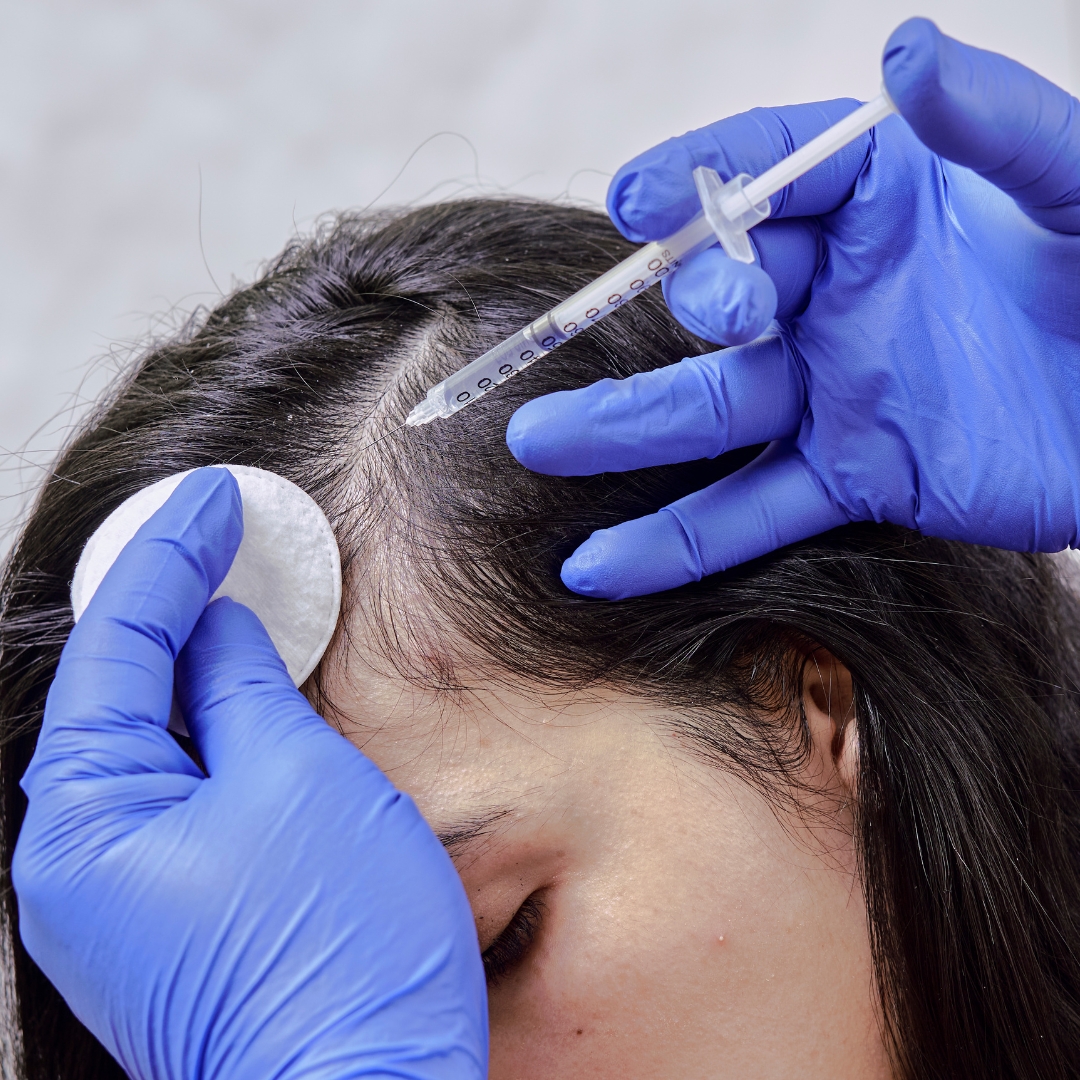
The platelet-rich plasma is injected subcutaneously under the scalp with microneedles. The injection is painless and takes 2-3 minutes.
Your partner surgeon will provide you with detailed post-operative instructions tailored to your individual situation. Please follow their specific guidance. The following represents typical guidelines shared by partner surgeons:
- Avoid any contact with the transplantation area. Grafts can be damaged easily, even with light pressure or scratching. Wear comfortable clothing such as front-buttoned shirts. Protect your head when passing through low doorways and avoid sudden movements during sleep
- To reduce swelling on the forehead, sleep with at least two pillows. Also avoid leaning forward for extended periods, for example when using a computer
- Continue taking any prescribed antibiotics and anti-swelling medication as directed
- Your donor area dressing will be removed on the second day following your procedure
- You will be instructed on how to wash your hair at the clinic
- Do not attempt to remove any blood clots in the transplantation area after washing
- Wearing a cap is not recommended, but if necessary for appearance reasons, choose one that does not apply pressure to the transplantation area
- You may touch your hair, have it cut, wear a cap, and swim from two weeks after surgery
- Some forehead swelling in the first week is normal even with regular medication use. This will resolve on its own. To help reduce it, lower your salt intake during this period
- During the first month after the procedure, the transplanted hair will shed. This is normal. Hair regrowth typically occurs between 6 and 9 months. Initial growth will be finer than your original hair and will thicken within a year
- Deficiencies in iron, zinc, copper, selenium, Vitamin B12, and Vitamin B6, thyroid dysfunction, smoking, and certain scalp conditions may affect transplantation outcomes negatively
- About 10 cc of blood is taken.
- The blood is transferred to a sterile environment in a particular device to increase the number of platelets in the plasma volume.
- The cells of the blood are separated by centrifugation and the platelet concentration in blood plasma increases up to 4-8 times.
Yes, shaving the donor area is a standard part of the procedure. If you prefer a partial cut rather than a full shave, you may discuss this with your partner surgeon. However, most clients opt for a full cut for a more even appearance during recovery.
Hair transplantation is considered one of the most established and long-lasting approaches to hair restoration. Unlike topical or pharmaceutical treatments, it addresses hair loss through permanent follicle redistribution. Your partner surgeon will advise on whether it is the most appropriate option for your individual situation.
Hair transplantation is carried out under the supervision of plastic surgeons by the hair transplantation experts with at least 10 years of experience. In medical operations, surgeons only do their core job where they are specialized. As an example, in heart surgery, assistants open the body prepare everything for the job of the surgeon, and then close it. In hair transplantation, this is the same. The doctor defines the hairline and placements of the grafts, defines the donor area, and defines the principles of the selection. An anesthetist performs the anesthesia. Then, hair transplantation experts operate under the close supervision of plastic surgeons.
Depending on the size of the area to be transplanted, skin and hair characteristics, and the technique to be practiced, it is a process that takes approximately between 4 and 8 hours.
The procedure is carried out under local anaesthesia, which significantly reduces discomfort during the operation. Most clients report minimal pain during the procedure. After the operation, standard pain relief is typically sufficient to manage any post-operative discomfort — your partner surgeon will advise on appropriate medication.
In the majority of cases, and provided post-operative care instructions are followed carefully, transplanted hair does grow. Individual outcomes vary depending on factors such as graft quality, donor density, and aftercare compliance — your partner surgeon will discuss realistic expectations during your consultation.
There is no circumstance preventing you from going out after the operation. In the first couple of days, there are tiny pink spots to be seen. These gradually fade away and become normal in a week.
Generally, after 3 days, you can have a bath. Using special lotions and caring after the bath will be important, and your medical team in the hospital will guide you through them.
They emerge as tiny particles 3 months after the operation date; they reach the normal length in approximately 6 months.
Yes, transplanted hairs usually fall out after transplantation. But as with the transplantation, new hair roots are created, and new hair will grow back in the transplanted area.
Transplanted hair grows naturally over time. The FUE method does not require linear incisions, which significantly reduces visible scarring compared to older techniques. Individual healing outcomes vary, but the aim of partner surgeons is a natural-looking result that is not readily apparent to others.
Yes, partner surgeons within the Global Medical Care network perform hair transplantation procedures for both women and men.
Hair transplantation does not increase the total number of hairs on the scalp, cannot prevent future alopecia, and is limited by available donor hair.
Most partner surgeons within our network and their surgical teams have performed over 5,000 hair transplant procedures. Experience and track record are core criteria in our partner clinic selection process.
Achieving a natural-looking result is the primary goal of partner surgeons. Aftercare is also a key factor — clients should follow all post-operative instructions carefully to support the best possible outcome.
Results from hair transplantation surgery are generally considered long-lasting. Final results typically become visible within a year of the procedure, and in some cases up to 18 months. Your partner surgeon will advise on expected longevity based on your individual assessment.
The number of grafts you need is related to the degree of your hair loss. Your surgeon will advise how many grafts you need when he assesses your pictures from different angles during online consultation or when he sees you in person.
Your new hair roots will grow thinner and they are going to fall off within three months (usually in the first month). After this period, the transplanted grafts will be stronger and thicker.
The roots that are extracted from your donor area will last for a lifetime after they are transplanted into your desired balding areas.
The information given on this subject is slightly different from each other. According to the opinion of some hair transplant specialists, hair should not be dyed for the first 1.5-2 months. According to some, this period reaches 3-4 months.
After the third month, you can color your other hair, except for the transplantation area. This will not be a drawback. However, if you are going to do the dyeing process in the 3rd month, you should protect the transplanted area. We recommend that you wait a little longer to dye all your hair. It takes about 6 months for your already transplanted hair to grow. After the 6th month, the hair has almost reached its new appearance. During this period, you have no obstacle to gaining a newer look by coloring your hair. In short, we can say this. You can color your hair as you wish 6 months after hair transplantation.
You may dye your hair at least 48 hours before your hair transplant procedure. However, avoid applying strong chemical dyes or professional-strength colour treatments close to the procedure date, as these can irritate the scalp.
