
Gastric Sleeve
Surgery Turkey
Global Medical Care is an internationally recognised facilitation service connecting clients with partner clinics and surgeons for Gastric Sleeve Surgery in Turkey. We handle the coordination — so you can focus on your journey.





Gastric Sleeve
Surgery
Turkey


Global Medical Care is an internationally recognised facilitation service connecting clients with partner clinics and surgeons for Gastric Sleeve Surgery in Turkey. We handle the coordination — so you can focus on your journey.

Gastric
Sleeve
Surgery
Turkey
Gastric Sleeve
Surgery Turkey
Request Free Consultation


























What is a Gastric Sleeve Surgery
Gastric sleeve surgery is a procedure that reduces the size of the stomach by removing a large portion of it. What remains is reshaped into a sleeve-like tube, which significantly limits food intake. As the stomach can hold considerably less food, clients typically consume smaller portions — which may support gradual, sustained weight loss.

gastric sleeve
surgery
in turkey
Gastric Sleeve Procedure
The client is placed under general anaesthesia for the gastric sleeve procedure. Using small incisions, the partner surgeon employs a laparoscope to remove approximately 75–80% of the stomach, reshaping what remains into a small, sleeve-like form. The incisions are then closed with staples or sutures. The procedure is typically completed within one to two hours.
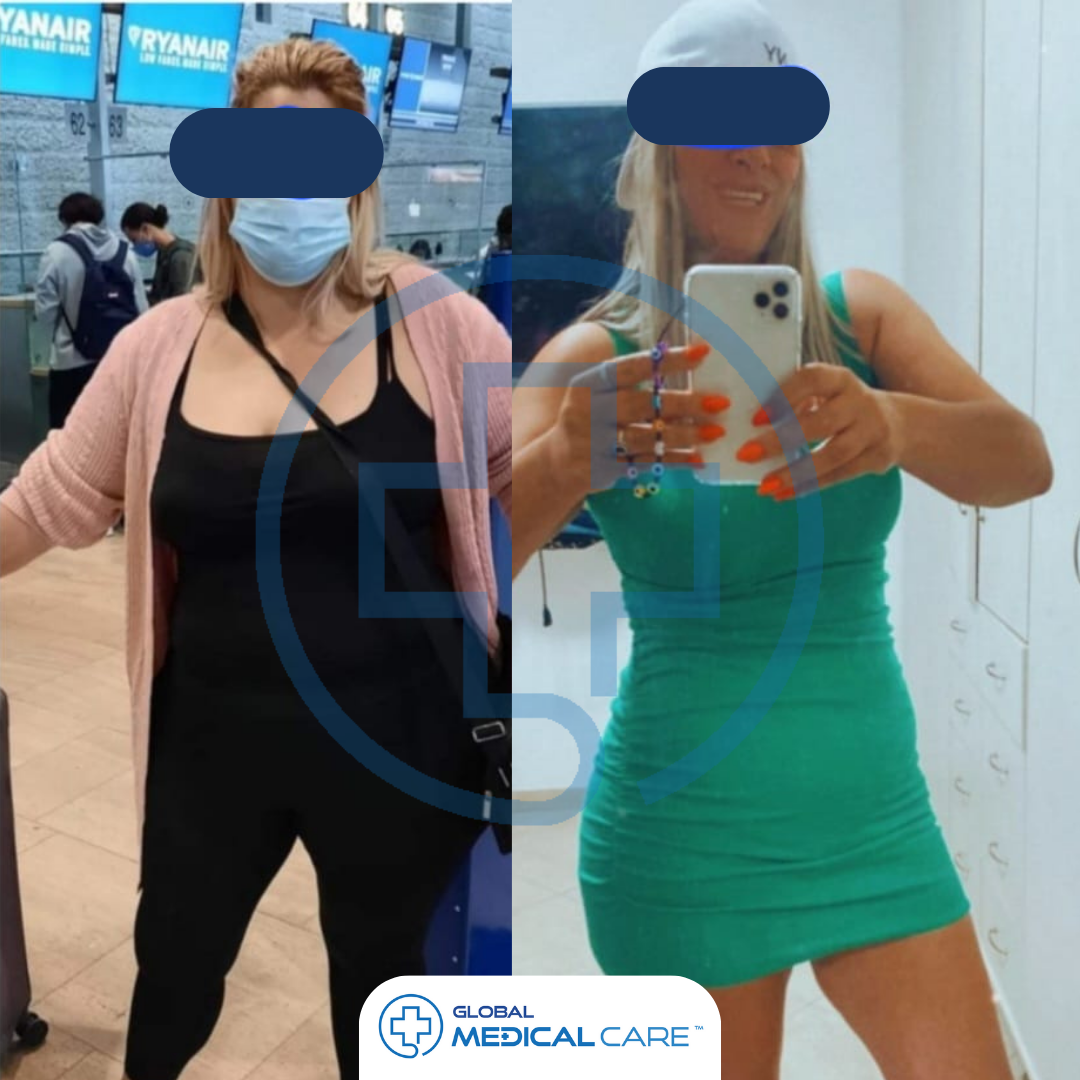
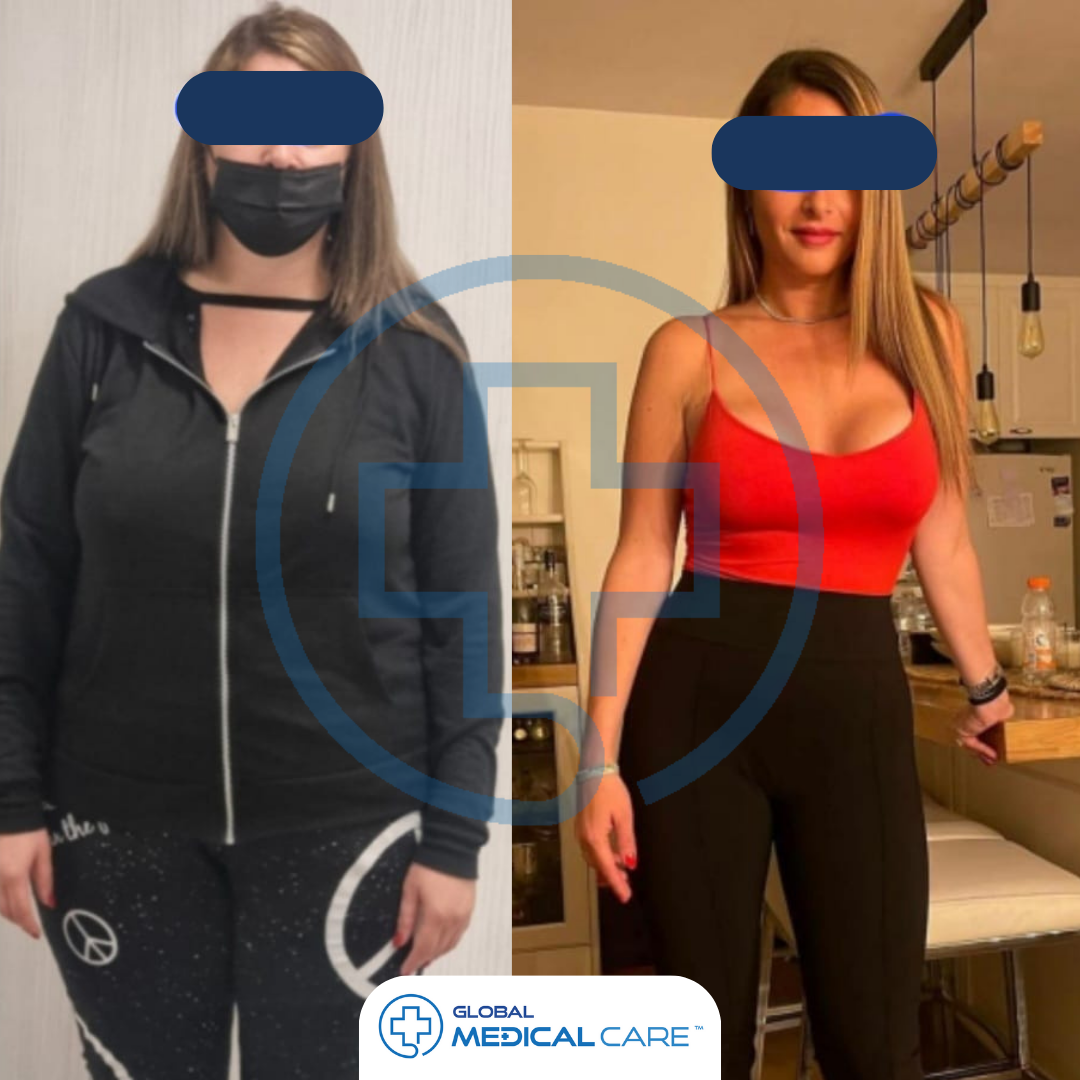
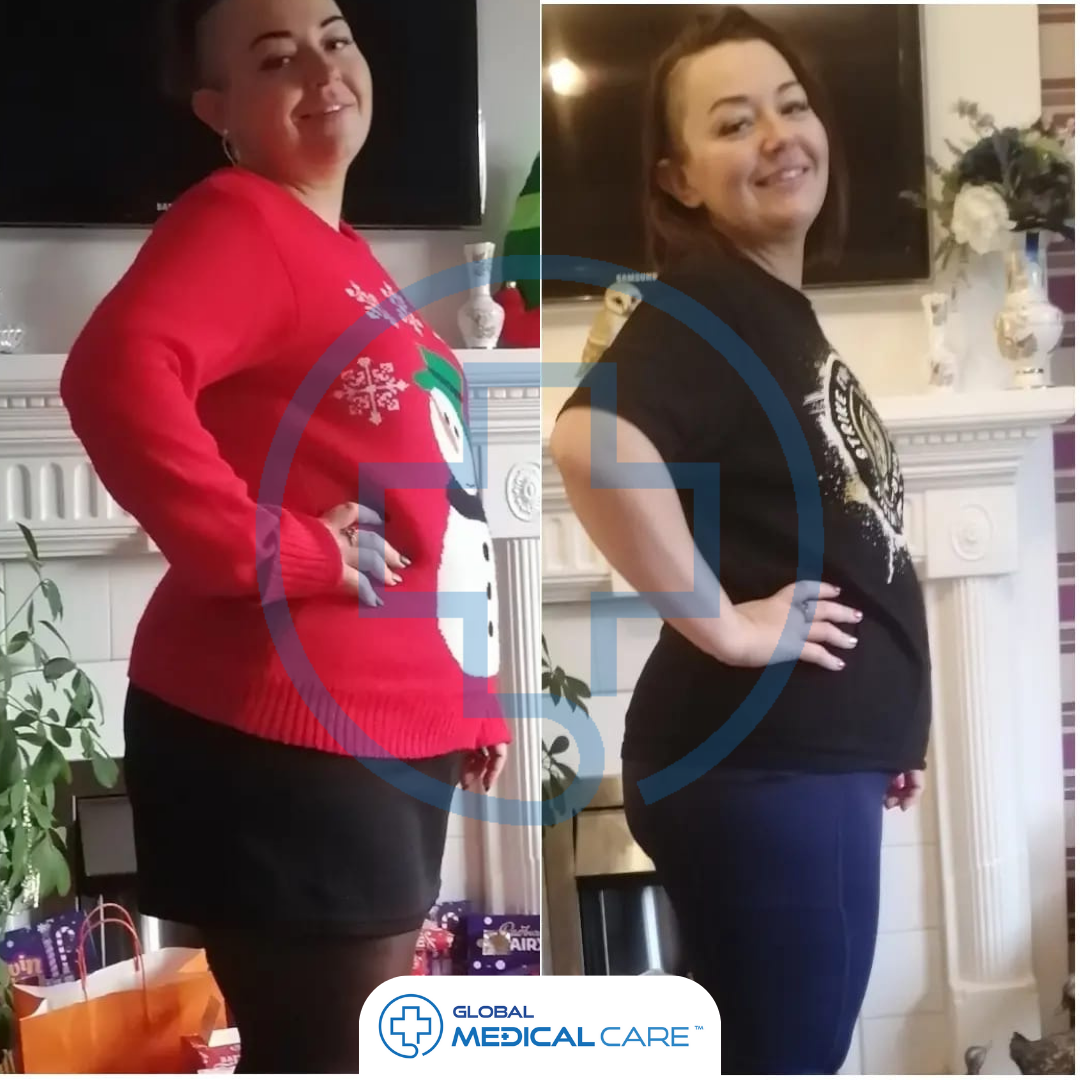
Gastric Sleeve Experiences
Would you like to speak directly with clients who have had this operation?
Then request a free consultation and ask to be connected with them.





Benefits of Gastric Sleeve Surgery
Major Drop in Weight: Reducing the size of the stomach limits the amount of food a client can consume, which may support a significant reduction in calorie intake. This can contribute to gradual, sustained weight loss and improvements in overall body composition. Individual results vary.
Health Conditions May Improve: Clients living with obesity may also experience associated conditions such as type 2 diabetes, high blood pressure, or joint discomfort. Following gastric sleeve surgery, some clients report improvements in these conditions, which may reduce their reliance on medication. Individual outcomes vary and are subject to personal health circumstances.
Quality of Life: Excess weight can affect mobility, mental wellbeing, and day-to-day confidence. Gastric sleeve surgery may support improvements in physical movement and overall quality of life. Individual experiences vary.
Reduced Risk of Obesity-Related Illness: Obesity is associated with increased risk of serious conditions including cardiovascular disease, stroke, certain cancers, and respiratory difficulties. Weight loss following surgery may help reduce exposure to these risks. Individual results vary and are subject to personal health circumstances.
Long-Term Weight Management: Unlike some other approaches, gastric sleeve surgery permanently reduces stomach capacity, which may support longer-term portion control and healthier eating habits. Individual results vary.
Testimonials
See what people are saying
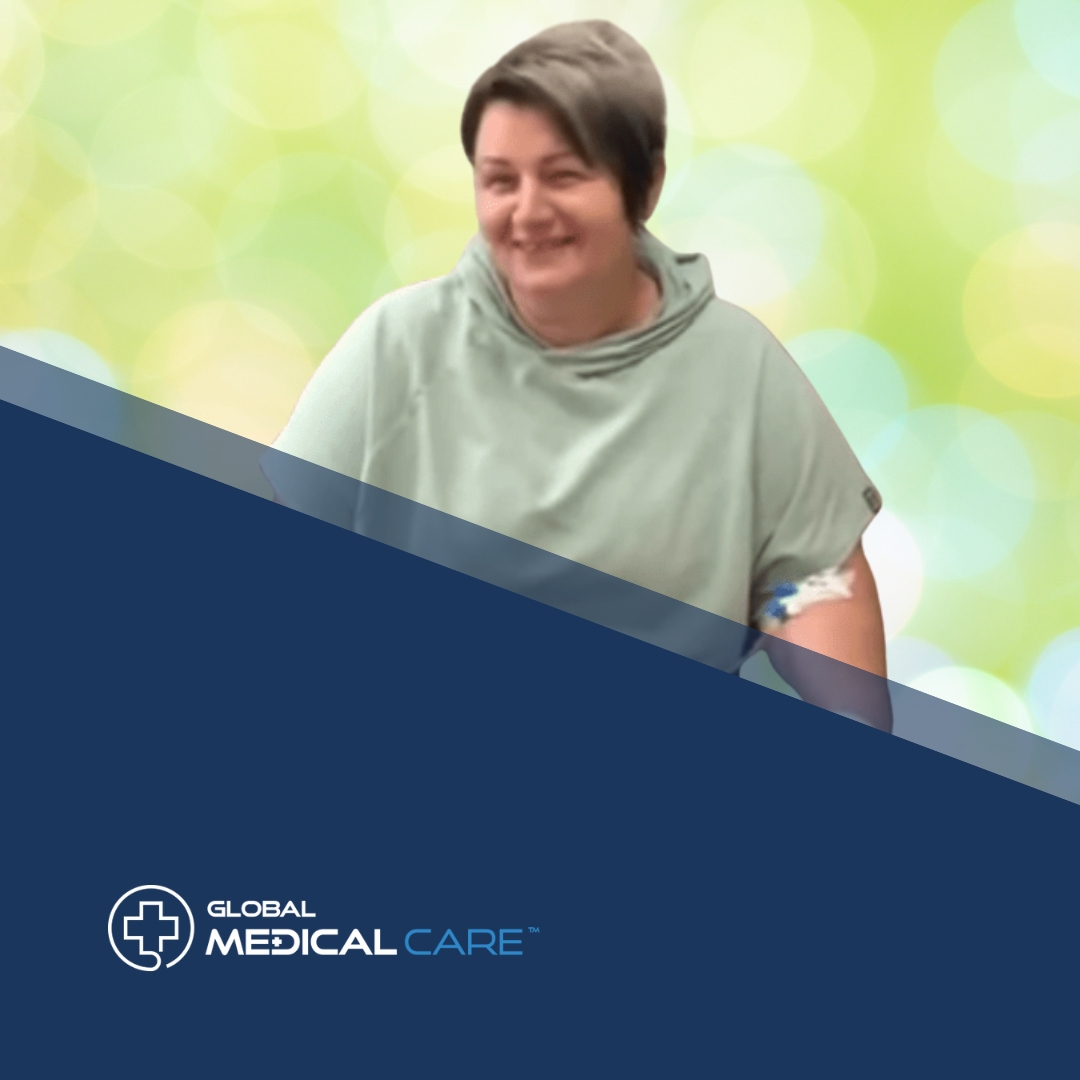
These testimonials shared reflect the individual experiences of clients. Results and experiences vary. Global Medical Care is a facilitation intermediary and does not provide medical treatment directly.

Obesity Treatment Review
Gastric Sleeve

Obesity Treatment Review
Gastric Sleeve

Shannon Tonaj
Turkey

Obesity Treatment Review
Gastric Sleeve
Obesity Treatment Review
Gastric Sleeve

Obesity Treatment Review
Gastric Sleeve




They are amazing fast is tic and caring professional kudos to you
It's been an excellent experience with them, I mean the surgery but also everything around, transport organization, hotel. You've nothing to worries about. It's a big recommendation for me, you won't be disappointed by their services.
Very good experience with this clinic, they are very professional. The translator, Asuman, is invaluable and incredibly kind.
From the moment I contacted global medical they answered all my questions and got back to so quickly. Throughout my whole journey from start to finish I had updates and support when needed. Dr Yalim Uctum answered all my questions and visited me daily after my surgery. I went to turkey by myself and was put at ease throughout the whole journey. Couldn’t ask for a better team.
The whole team is very warm-tempered, nice and accommodating. Everyone looked at my well-being the language is not a problem as everything is translated perfectly. The result has become perfect, I am very happy that I have come into such good hands.

best bariatric
surgery in turkey
Why Choose GMCare for Your Bariatric Surgery in Turkey?
Global Medical Care is a medical travel facilitation service connecting clients with a carefully selected network of partner clinics and bariatric surgeons across Turkey. We coordinate every step of the process — from initial assessment through to aftercare support — so clients can focus on their health journey.
Our partner hospitals hospitals comply with national health quality standards (i.e. SKS); if possible, hold international accreditation (e.g. JCI) and are equipped with modern surgical infrastructure. Client experience is central to how we work, with dedicated patient coordinators providing personalised support throughout.
All-inclusive packages starting from £1990
Global Medical Care
Multiple Offers to Choose From
Tailor your medical travel journey with a range of customisable facilitation packages designed to suit your individual needs and circumstances.
European Contract to Protect Your Rights
Legally binding European facilitation contract, setting out the scope of services, responsibilities, and transparency commitments throughout your journey.
Competitive Pricing, Transparent Process
Access bariatric surgery in Turkey through partner clinics that aim to offer strong value without compromising on the standard of facilities or surgical expertise.
Advanced Partner Facilities
Our partner clinics are equipped with modern medical technologies and infrastructure, selected for their surgical capabilities and facility standards.
Our Gastric Sleeve Packages
Below you can find our all-inclusive gastric sleeve facilitation packages in Turkey.
- Packages are competitively priced and reviewed regularly to ensure strong value for our clients.
- If you find an equivalent package at a lower price, contact us and we will do our best to match it.

Obesity Surgery In Turkey
- ALL-INCLUSIVE
- NO HIDDEN COST
- NO WAITING LIST
Flight, transfers, operation, hotel, and medication included
ANTALYA, IZMIR, ISTANBUL TURKEY
Why Choose Gastric Sleeve Weight Loss Surgery?
Gastric sleeve surgery is a well-established approach to significant weight loss. Studies suggest that clients may lose a substantial proportion of their excess body weight in the period following the procedure, though individual results vary depending on personal health circumstances and lifestyle.
This procedure may also support improvements in obesity-related health conditions such as type 2 diabetes, high blood pressure, and sleep apnoea. Individual outcomes vary and are subject to personal health circumstances.
The weight loss sleeve procedure offers a longer-term approach to weight management by permanently reducing stomach capacity, which may help clients maintain portion control over time — unlike short-term dietary interventions. Individual results vary.
Will I Need To Follow a Special Diet After Gastric Sleeve Surgery?
Following a structured diet after gastric sleeve surgery plays an important role in recovery and in supporting longer-term results. Your partner surgeon’s clinical team will provide detailed guidance on your meal plan and the appropriate timing for introducing different food types.
Gastric Sleeve Surgery Recovery Time
Recovery times vary between individuals following gastric sleeve surgery. Many clients are able to return to their usual routine within approximately two to four weeks, though this is subject to individual circumstances. Clients are advised to follow all post-operative guidance provided by their partner surgeon’s clinical team.
Who is a Candidate for Gastric Sleeve Surgery?
Partner surgeons typically consider gastric sleeve surgery for clients who meet certain clinical criteria. Suitability is assessed on an individual basis during a medical consultation.
Body Mass Index (BMI): Candidates generally present with a BMI above 30, often alongside health conditions associated with obesity. BMI alone does not determine suitability — a thorough clinical assessment is required.
Difficulty Achieving Sustained Weight Loss: Where conventional approaches such as dietary changes and increased physical activity have not resulted in significant, lasting weight loss, bariatric surgery may be considered as a next step.
Commitment to Lifestyle Change: Candidates are expected to demonstrate a genuine commitment to long-term changes in diet, physical activity, and lifestyle. The surgical procedure is one part of the process — sustained results depend significantly on behavioural change over time.
A qualified partner surgeon or specialist will determine whether this procedure is appropriate for your individual circumstances. We encourage all clients to seek independent medical advice before proceeding.
Recovery and Post-Operative Care
Following gastric sleeve surgery, it is important to follow all guidance provided by your partner surgeon’s clinical team. Dietary intake typically progresses in stages — beginning with liquids, moving to soft foods, and gradually transitioning to regular meals over a number of weeks, in line with clinical advice.
Any prescribed medications, including pain relief and antibiotics, should be taken as directed by your treating clinical team, who will schedule follow-up appointments to monitor your progress and adjust your care plan as needed.
Rest is an important part of recovery. Light movement, such as short walks, is generally encouraged to support circulation and aid the healing process. All activity levels should be guided by your partner surgeon’s clinical team.

Bariatric
Surgery Prep:
Dr. Ibrahim’s
Visit – Part 1
Bariatric Surgery Prep: Dr. Ibrahim’s Visit – Part 1

Pre-Op Visit
with
Dr. Ibrahim –
Part 2
Pre-Op Visit with Dr. Ibrahim – Part 2
Gastric Sleeve Risks
Like all surgical procedures, gastric sleeve surgery carries risks that clients should understand before making a decision. Selecting an appropriately qualified and experienced surgeon is an important factor in managing surgical risk — this is something GMCare considers carefully when selecting partner surgeons and clinics.
Potential complications may include infection, bleeding, leaks, nutritional deficiencies, and anaesthesia-related issues. Your partner surgeon’s clinical team will discuss all relevant risks during the pre-operative consultation phase, and will explain the measures in place to manage them.
It is important to approach gastric sleeve surgery with realistic expectations. The procedure may support significant weight loss and improvements in health, however outcomes vary between individuals and are influenced by factors including adherence to dietary guidance and longer-term lifestyle changes. Your partner surgeon will provide a personalised assessment during consultation so you are fully informed before proceeding.
Gastric Sleeve Surgery Side Effects
Following a bariatric sleeve procedure, clients may experience temporary discomfort including pain, nausea, or acid reflux during the recovery period. Less common complications such as leaks, blood clots, or nutritional deficiencies may also occur. Clients are advised to follow all post-operative guidance from their clinical team and attend scheduled follow-up appointments to support recovery and monitor progress. Individual experiences vary.
Gastric Sleeve Incisions
Gastric sleeve surgery is performed laparoscopically, meaning the partner surgeon makes several small incisions — typically four or five — in the abdominal area rather than a single large opening. Incisions are generally between 0.5 and 2 centimetres in size. This approach is associated with reduced post-operative discomfort and a faster recovery compared to open surgery.
Scarring following the procedure typically becomes less noticeable over time, though healing varies between individuals. Your partner surgeon’s clinical team may recommend scar management options such as topical treatments. Clients may also explore additional treatments independently if they wish to further minimise the appearance of scars.
Who Is a Candidate For Gastric Sleeve?
Our partner surgeons will assess your individual circumstances, review your health profile, and determine which treatment options may be suitable for you. GMCare also arranges the opportunity for clients to connect with their partner surgeon prior to travel.

For more information about Gastric Sleeve
Gastric Sleeve Surgery in the UK – Bariatric Surgery UK
In the UK, sleeve gastrectomy ranks among the most commonly performed bariatric surgery procedures. The partner surgeon removes a significant portion of the stomach, reshaping what remains into a sleeve-like tube, leaving it considerably smaller. This reduced capacity may help clients feel full more quickly, supporting lower calorie intake. In the UK, clients with a BMI over 40 who have not achieved sustained results through dietary intervention may be considered candidates for this procedure, subject to individual clinical assessment.
Long-term Diet After Gastric Sleeve Surgery
Long-term dietary changes play an important role in supporting recovery and sustained results following gastric sleeve surgery. Your partner surgeon’s clinical team will provide personalised guidance, which typically includes the following general principles:
Focus on foods that are low in calories but high in protein, vitamins, and minerals. Aim for three balanced meals per day and limit nutritionally poor snacks.
Chew food thoroughly to support digestion and help manage portion awareness. Avoid drinking fluids during meals — waiting approximately 30 minutes after eating allows the stomach adequate time to process food comfortably.
Maintain adequate hydration throughout the day by sipping water regularly between meals rather than drinking in large quantities at once.
Vitamin and mineral supplementation is commonly required following surgery due to reduced food intake. A daily multivitamin alongside calcium, iron, and vitamin B12 supplements is typically recommended — your clinical team will advise on what is appropriate for your individual needs.
Introduce new foods gradually, allowing your digestive system time to adjust. If a food causes discomfort, remove it temporarily and reintroduce it later.
Approach mealtimes without distraction and eat slowly. This supports portion control and longer-term adherence to dietary changes.
Following a sleeve gastrectomy, working with your partner surgeon’s clinical team to develop a personalised long-term nutrition plan is strongly recommended. A diet rich in protein — such as chicken, fish, eggs, tofu, and legumes — supports healing and muscle maintenance. Plenty of fruits, vegetables, whole grains, and healthy fats help ensure adequate nutrition despite reduced stomach capacity. Processed foods and high-sugar items should be avoided to support continued weight management and stable blood sugar levels. Regular follow-up appointments allow your clinical team to monitor progress and adjust your nutrition plan accordingly.
For detailed dietary guidance, clients are advised to consult their treating clinical team or an independent registered dietitian.
Request Free Consultation
You will be contacted by one of our patient coordinators. Please send us details of your medical history relevant to gastric sleeve surgery. There is no commitment at this stage.
Gastric Bypass vs Gastric Sleeve
lients considering bariatric surgery often compare gastric bypass and gastric sleeve procedures. The two differ in approach and outcomes. Gastric bypass involves creating a small stomach pouch and rerouting part of the small intestine, which may support greater weight loss but is a more complex procedure. Gastric sleeve surgery reduces stomach size without altering the digestive tract, making it a less complex intervention while still supporting significant weight loss.
Both procedures carry their own benefits and considerations. The most suitable option depends on an individual’s health profile, clinical history, and personal circumstances. A qualified partner surgeon will provide guidance on which procedure may be appropriate during the consultation process.
FAQs
Gastric sleeve surgery is a permanent procedure. The portion of the stomach removed does not grow back. Maintaining the benefits over the long term requires a commitment to lasting lifestyle changes, including diet and physical activity.
Gastric sleeve surgery in Turkey is significantly more affordable than in many Western countries. GMCare facilitation packages start from £1,990, with pricing dependent on the chosen partner clinic, surgeon, and included services. Contact us for a personalised quote.
Clients are typically advised bt partner doctors to remain in Turkey for around 4–5 days following gastric sleeve surgery. This allows time for post-operative monitoring and initial recovery before travelling home. Individual circumstances may vary.
Following gastric sleeve surgery, clients adapt to a new approach to eating. The diet progresses in stages — from liquids to soft foods and eventually to solid meals. Over time, clients can eat a varied diet, though in considerably smaller portions. Individual experiences vary.
Three months after gastric sleeve surgery, most clients can incorporate a range of non-carbonated, non-alcoholic beverages into their diet. Clients should follow the specific guidance provided by their partner surgeon’s clinical team.
Gastric sleeve surgery in Turkey is performed at locally or internationally accredited partner hospitals with experienced surgical teams. GMCare selects partner facilities based on accreditation status, surgical standards, and client care protocols. As with any surgical procedure, individual risks should be discussed directly with your partner surgeon during the consultation process.
GMCare works with a carefully selected network of accredited partner hospitals across Turkey that specialise in bariatric procedures. The most suitable facility for each client depends on individual circumstances and will be discussed during the consultation process.
The timeline depends on individual health assessment and pre-operative preparation. In many cases, procedures can be arranged within a few weeks of the initial consultation. Your patient coordinator will guide you through the process.
Turkey has a well-established medical tourism sector, with many hospitals holding international accreditations and experienced surgical teams. GMCare selects partner clinics based on accreditation, surgical track record, and care standards. Clients are encouraged to review all available information and seek independent medical advice before making a decision.
Turkey is a widely used destination for weight loss surgery, with a range of accredited facilities and experienced bariatric surgeons. GMCare coordinates with partner clinics selected for their standards of care and facility quality. Individual suitability and risk should always be assessed by a qualified clinician.
All bariatric surgery procedures carry risks. More complex procedures, such as duodenal switch surgery, are generally associated with a higher risk profile, though they may also produce more significant weight loss outcomes. The appropriate procedure for each individual should be determined by a qualified partner surgeon based on a full clinical assessment.
The lower cost of bariatric surgery in Turkey reflects the country’s lower cost of living and healthcare operating costs — not a reduction in care standards. Partner clinics within the GMCare network are selected on the basis of accreditation and clinical quality, not price alone.
Weight loss surgery in Turkey is more affordable than in many Western countries primarily due to lower healthcare operating costs. Clients accessing surgery through GMCare’s partner network can expect accredited facilities and qualified surgical teams, with pricing that reflects genuine value rather than compromised standards.
Pain perception following bariatric surgery varies between individuals and is influenced by the procedure type, surgical technique, and post-operative care. Gastric band procedures are generally considered less invasive. Your partner surgeon will discuss what to expect based on your chosen procedure and individual health profile.
All surgical procedures carry risk. In the context of weight loss surgery, these may range from temporary post-operative discomfort to less common but more serious complications. Your partner surgeon will conduct a thorough pre-operative consultation to discuss your individual risk profile and the measures in place to manage it.
