
Bariatric
Surgery Turkey
Global Medical Care is an internationally operating facilitation service connecting clients with partner clinics and surgeons in Turkey for bariatric surgery. We coordinate every step of your journey — from your initial consultation through to your return home.





Bariatric
Surgery
Turkey


Global Medical Care is an internationally operating facilitation service connecting clients with partner clinics and surgeons in Turkey for bariatric surgery. We coordinate every step of your journey — from your initial consultation through to your return home.

Bariatric
Surgery
Turkey
Bariatric
Surgery Turkey
Request Free Consultation
What is Bariatric Surgery?
Bariatric surgery, also known as weight loss surgery, aims to reduce stomach size or alter the digestive process to support weight reduction by limiting food intake. Health professionals commonly consider it for individuals with a body mass index (BMI) of 40 or above, or a BMI of 35 or more where obesity-related health conditions are present. Suitability is assessed by a medical professional — not by Global Medical Care.
Benefits of Bariatric Surgery
Bariatric surgery is sought by many individuals as a way to address health concerns associated with obesity. Potential benefits that clients discuss with their partner surgeons and medical teams may include:
- Weight reduction — the procedure aims to support significant and sustained weight loss, though individual outcomes vary and are subject to lifestyle factors and medical circumstances
- Improvement in weight-related health conditions — some clients report improvements in conditions such as type 2 diabetes, high blood pressure, sleep apnoea, and joint pain following surgery; outcomes are individual and cannot be predicted
- Improved wellbeing — some clients report improvements in self-confidence and overall quality of life following surgery; individual experiences vary significantly
- Increased physical activity — reduced body weight may make physical activity more accessible for some clients; individual outcomes depend on overall health and recovery
Individual results vary. Your partner surgeon and medical team will discuss realistic expectations for your specific circumstances during consultation.
Types of Bariatric Surgery

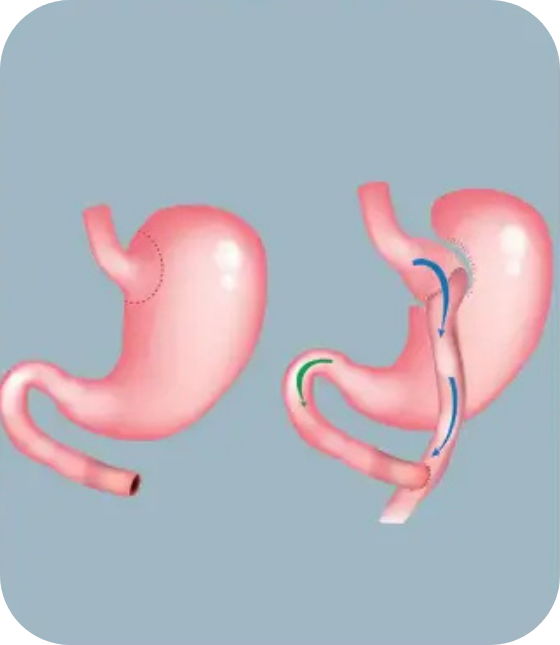

What Is Gastric Bypass?

gastric bypass
surgery
in turkey
Gastric bypass surgery, known as Roux-en-Y gastric bypass, is a surgical weight loss procedure. The partner surgeon creates a small pouch from the upper section of the stomach and redirects the small intestine to connect directly to this pouch. This reduces the stomach’s capacity and causes food to bypass a portion of the small intestine, which limits both the amount of food that can be consumed and the absorption of calories. Individual outcomes vary and are discussed with your partner surgeon during consultation.
What Is Gastric Sleeve?

gastric sleeve
surgery
in turkey
Gastric sleeve surgery, also known as sleeve gastrectomy, is a surgical weight loss procedure that reduces the size of the stomach. The partner surgeon removes a significant portion of the stomach, leaving a smaller, tube-shaped stomach. This reduced stomach capacity limits the amount of food that can be consumed at one time, which may support weight reduction. Individual outcomes vary significantly and are subject to lifestyle, health profile, and post-operative adherence.
Gastric Band Surgery to Other Bariatric Procedures
When considering bariatric surgery options, different procedures carry different characteristics, risks, and potential outcomes. Gastric band surgery is notable for its adjustability and reversibility compared to other bariatric procedures. It may involve a slower rate of weight change and typically requires more frequent follow-up visits for adjustments.
Gastric bypass and sleeve gastrectomy involve more permanent anatomical changes to the digestive system. Each procedure has distinct clinical considerations.
The most appropriate procedure for any individual depends on their medical history, health profile, personal circumstances, and goals. This decision is made between the client and their partner surgeon — Global Medical Care does not advise on procedure selection.
Bariatric Surgery for Weight Loss
Bariatric surgery encompasses a range of weight loss procedures that alter the digestive system to limit food intake. Common types include gastric bypass, sleeve gastrectomy, and gastric banding.
These procedures aim to support weight reduction in individuals where other weight management approaches have not been sufficient, and where specific medical criteria are met. Whether bariatric surgery is appropriate — and which type — is assessed by a qualified medical professional based on each individual’s circumstances. Global Medical Care facilitates access to partner clinics and surgeons who can conduct this assessment; we do not make clinical recommendations ourselves.
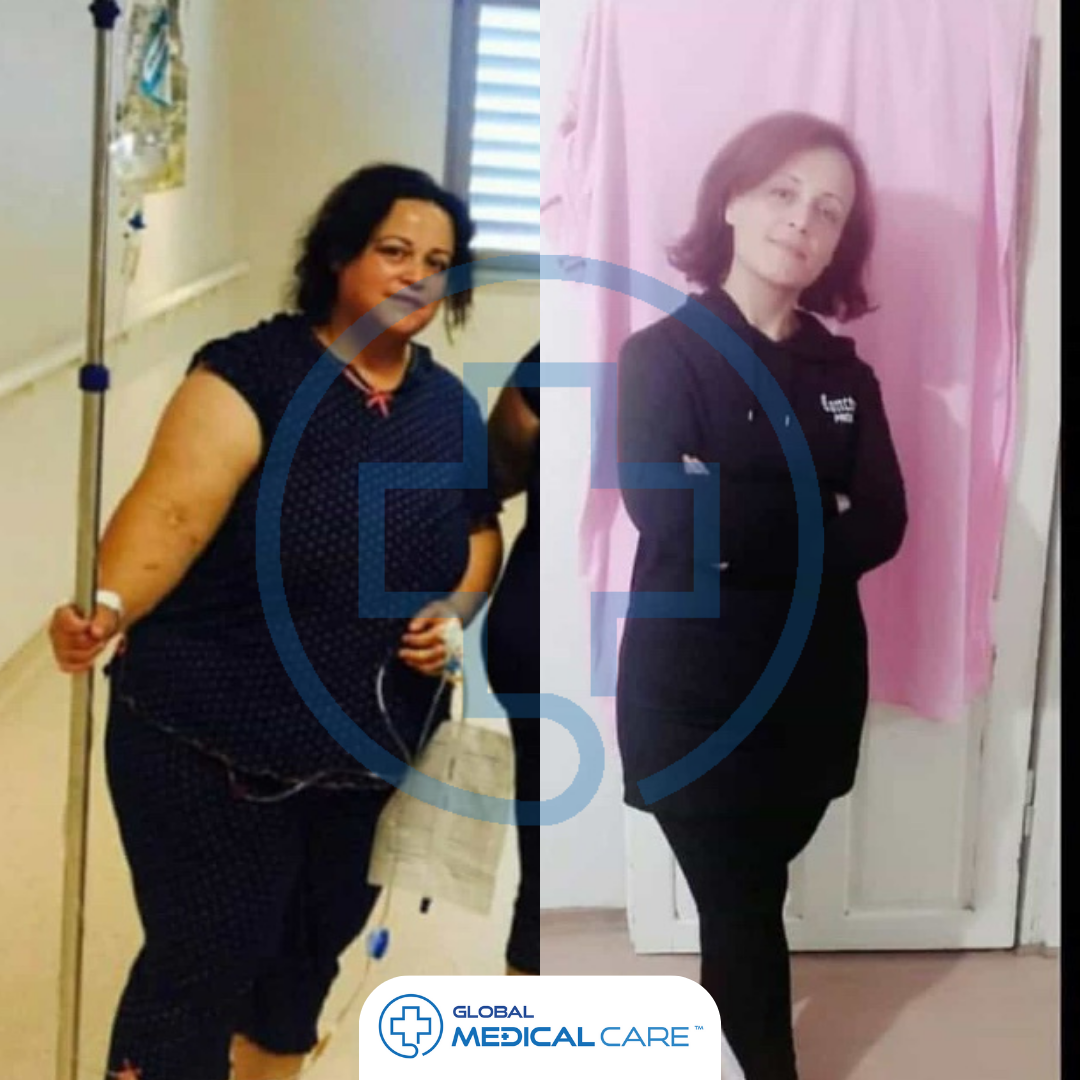
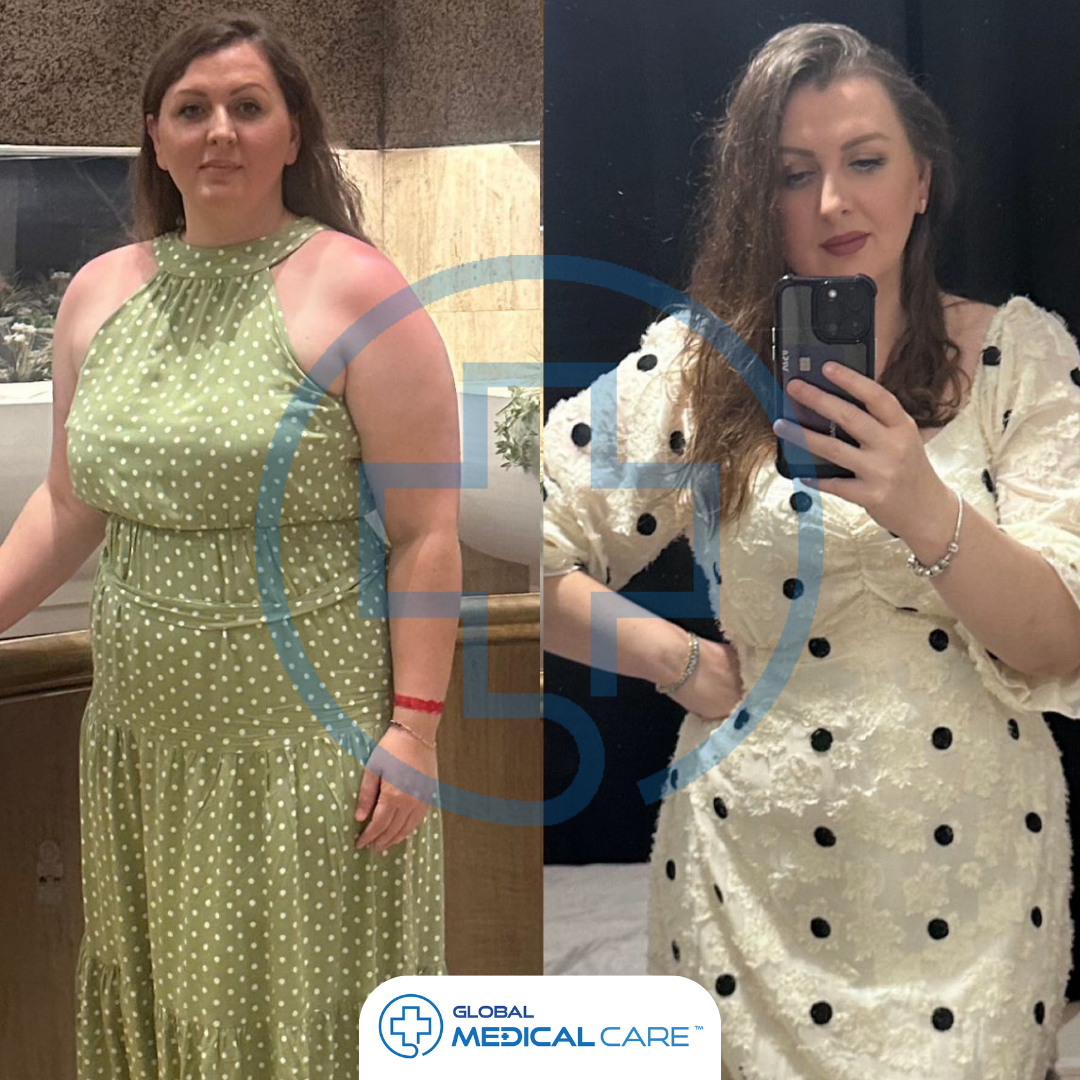
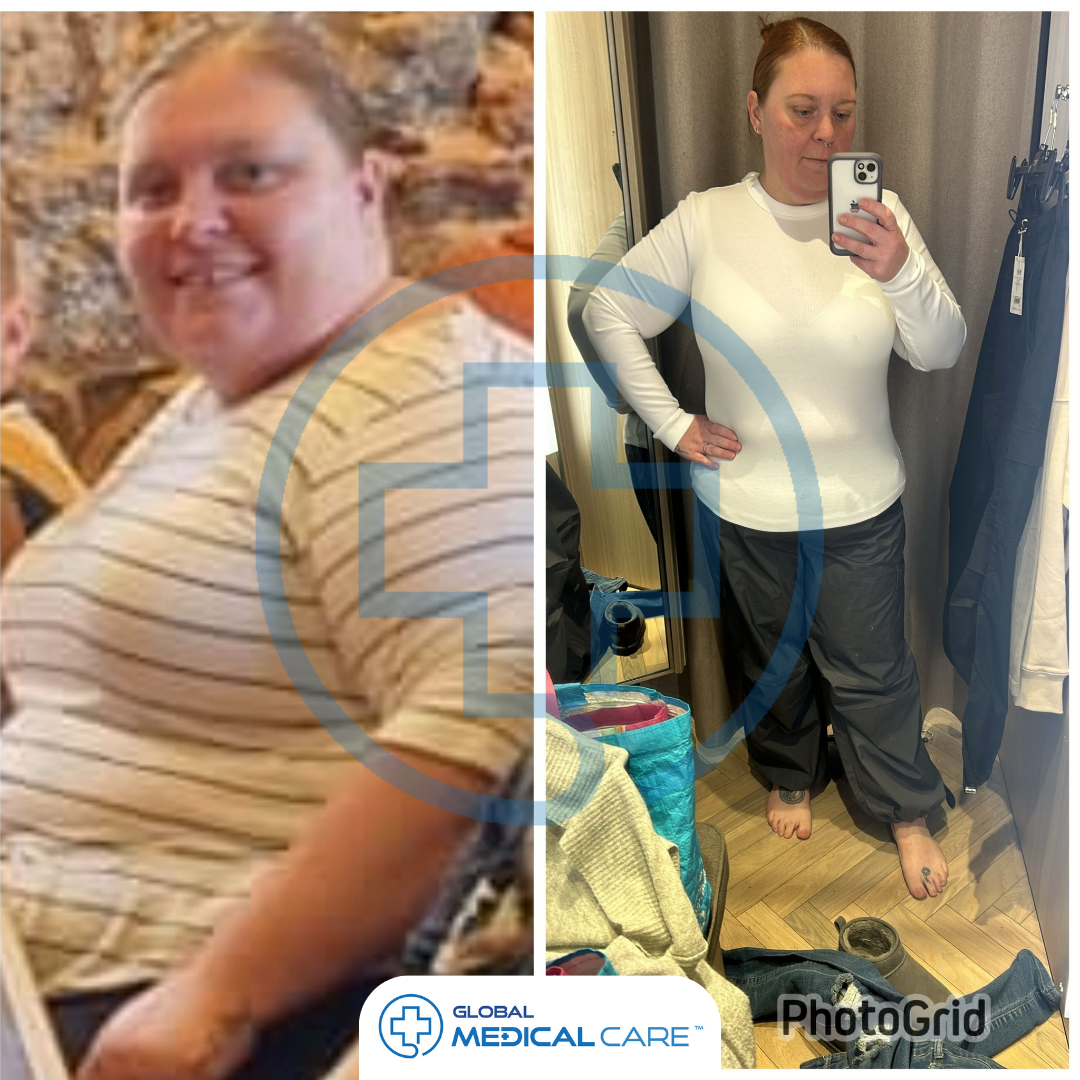
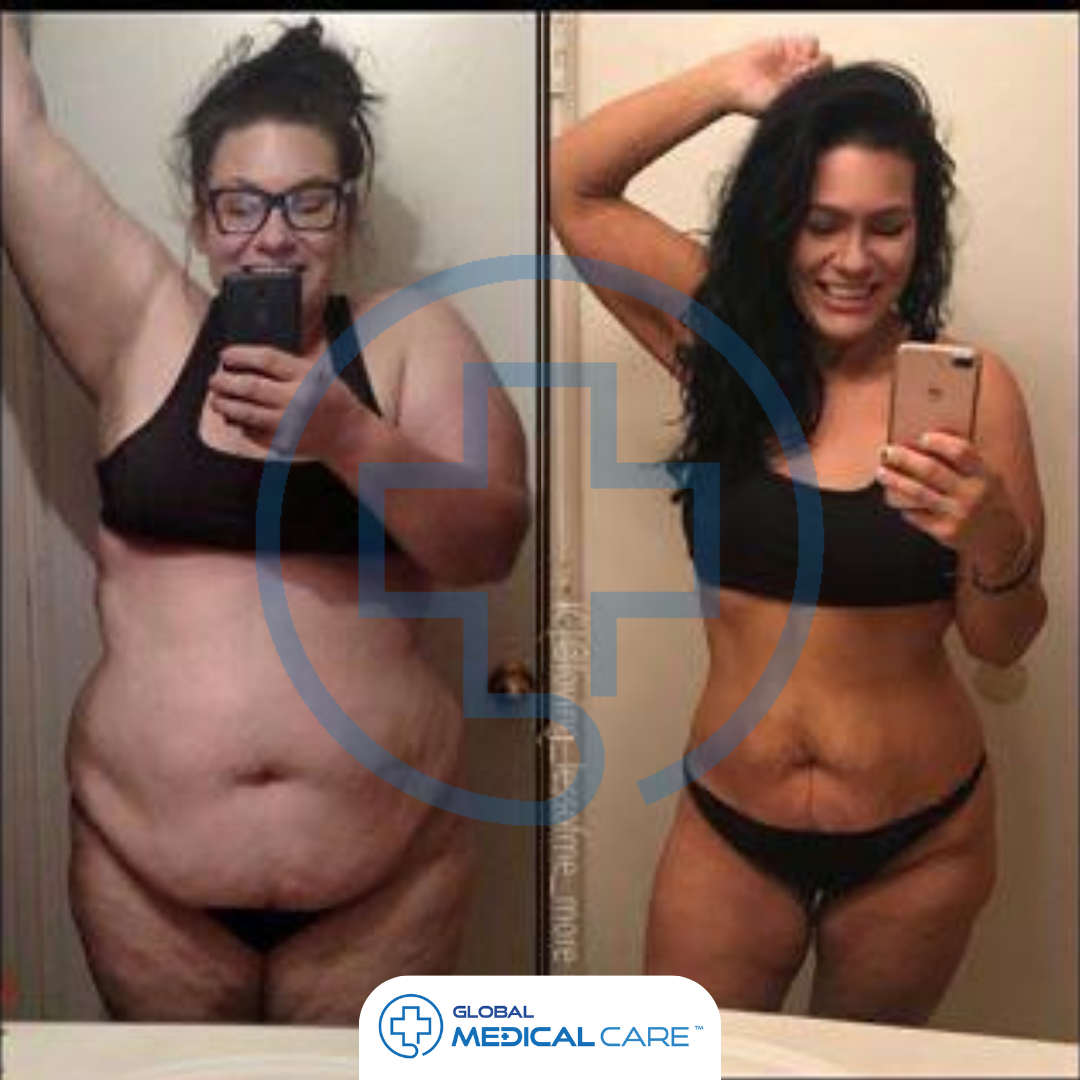
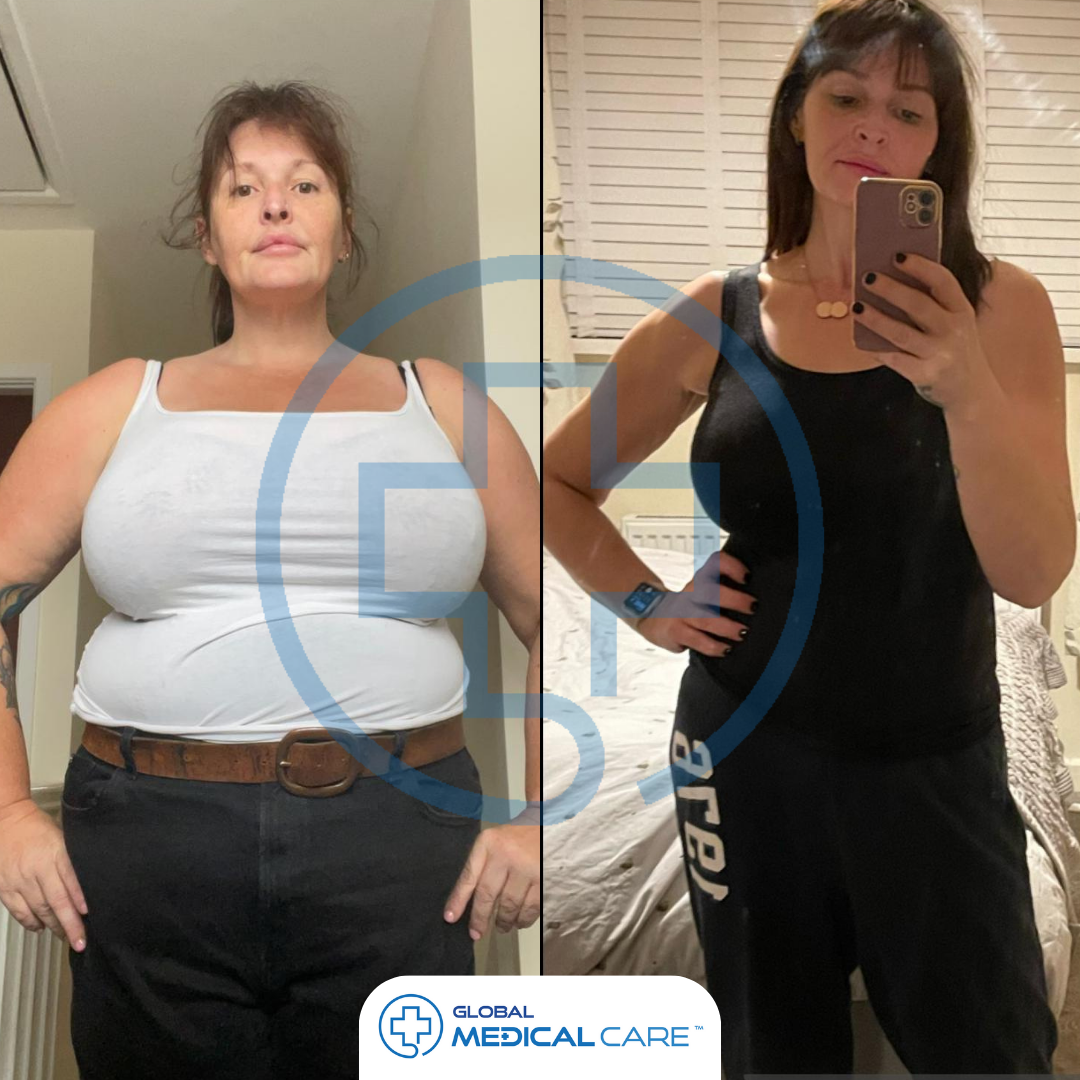
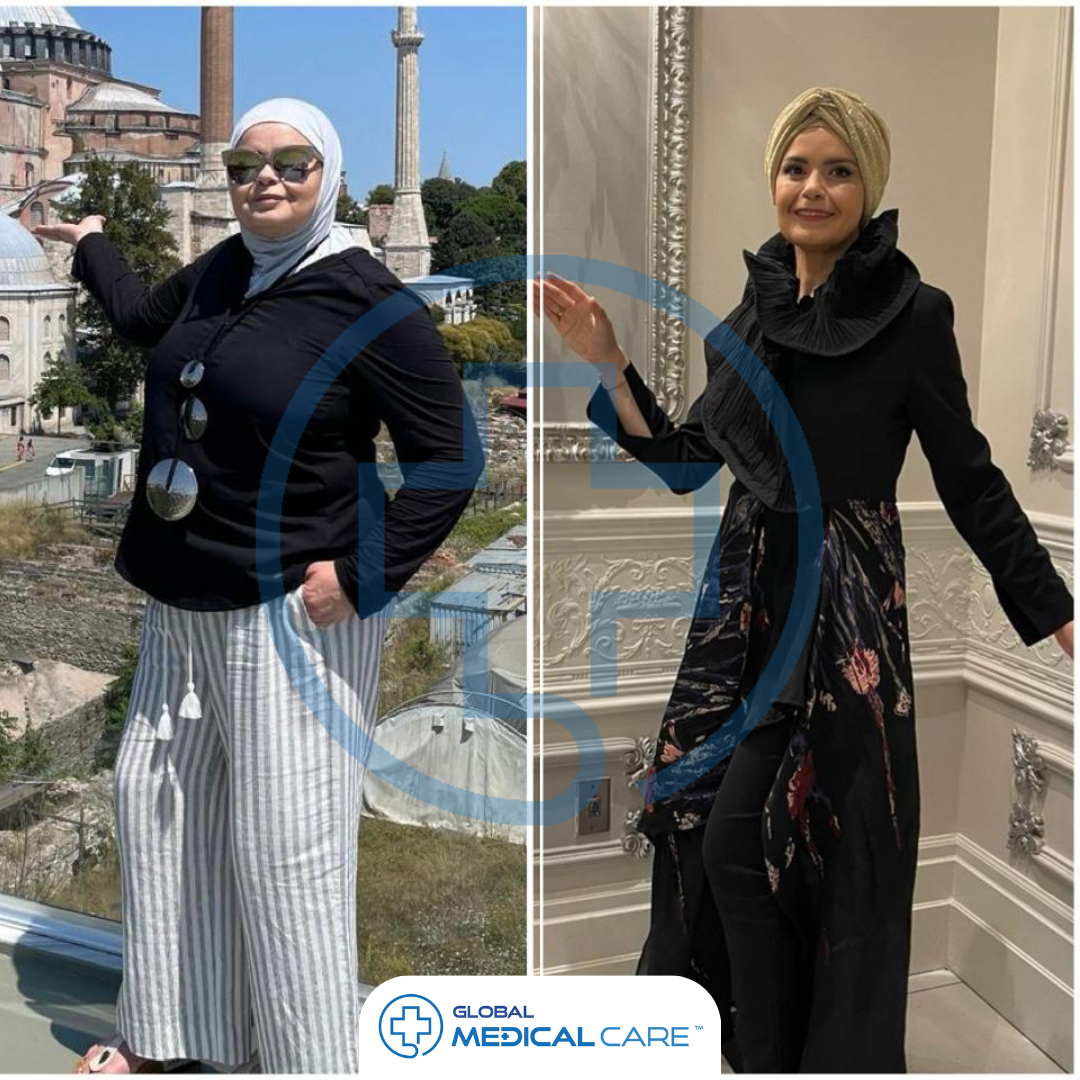
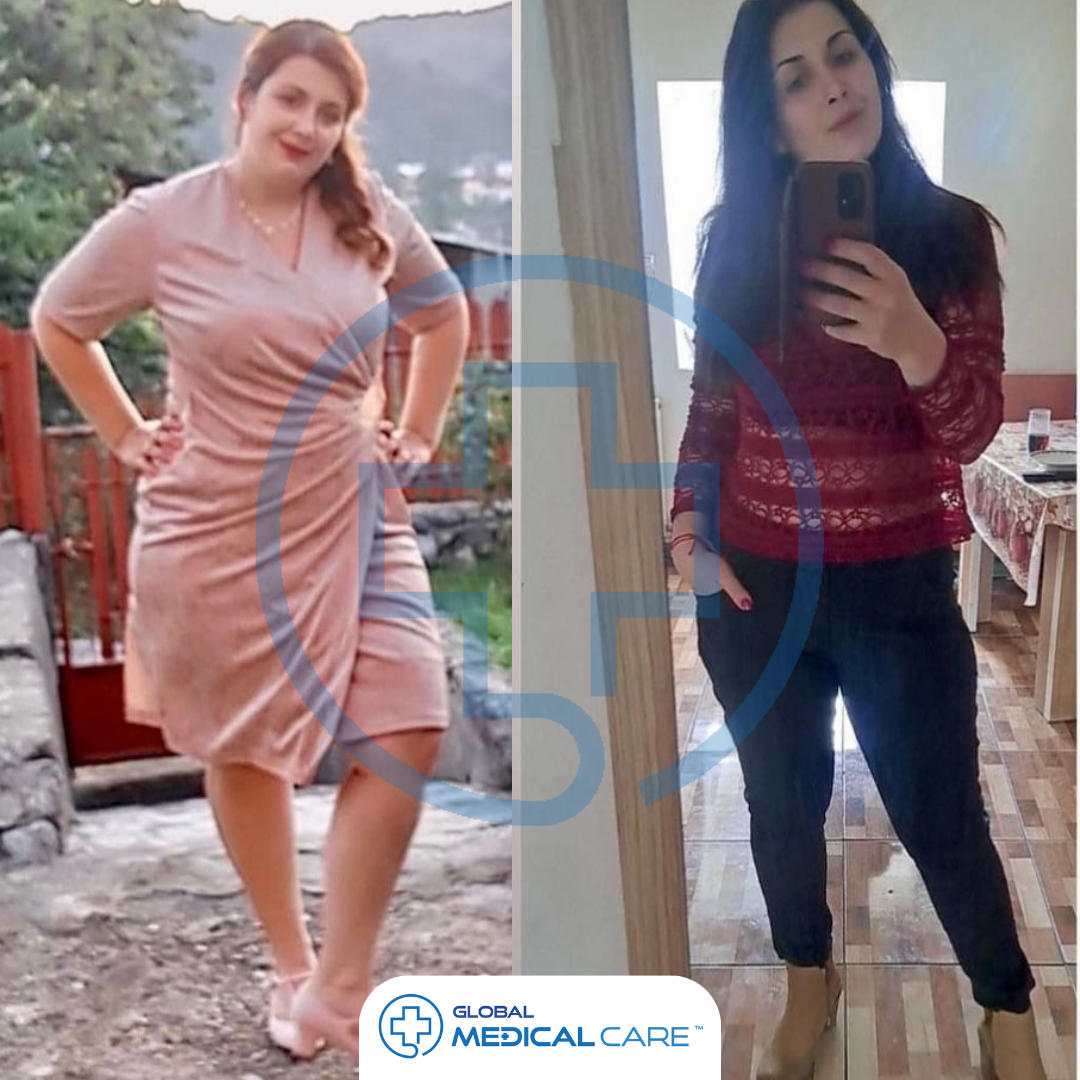
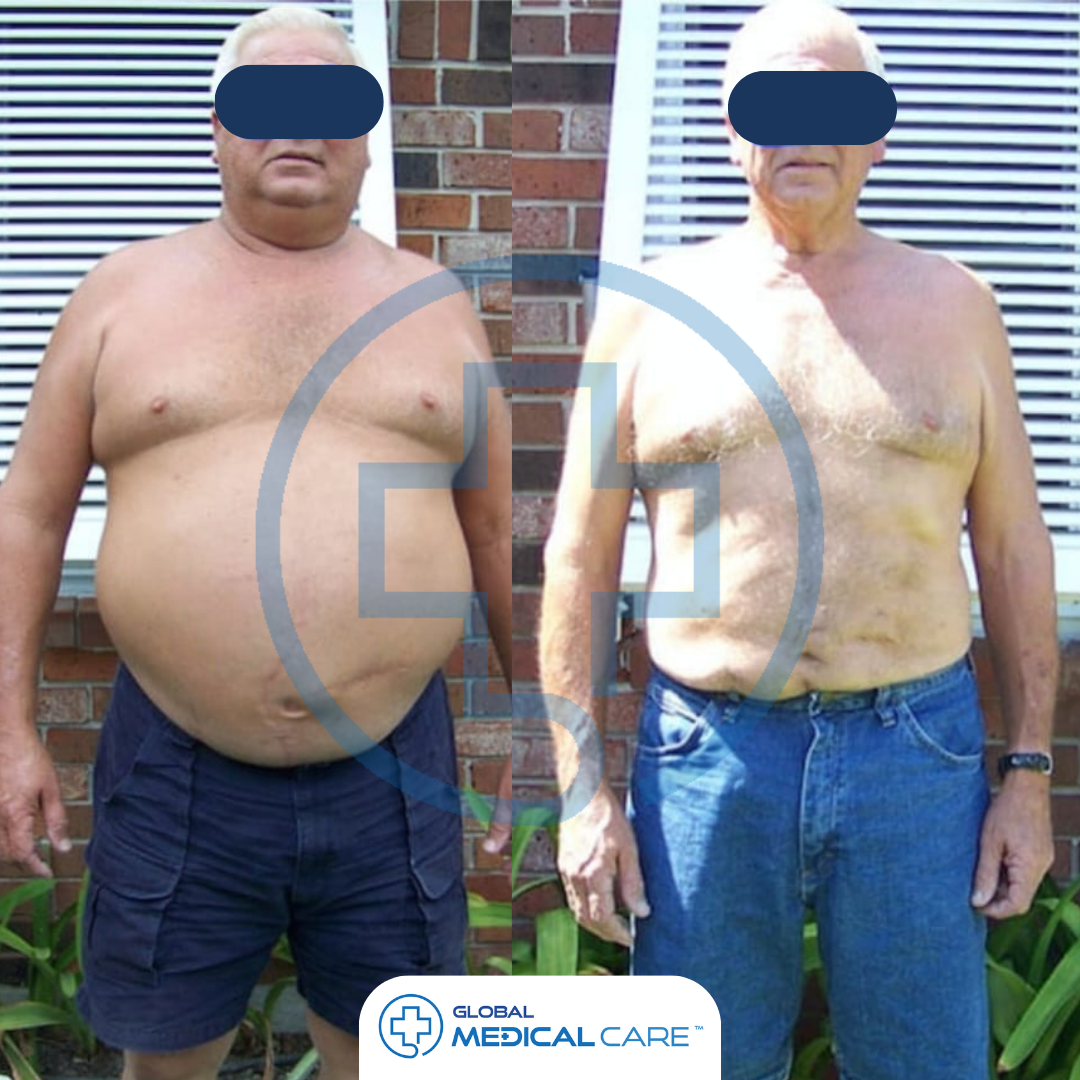
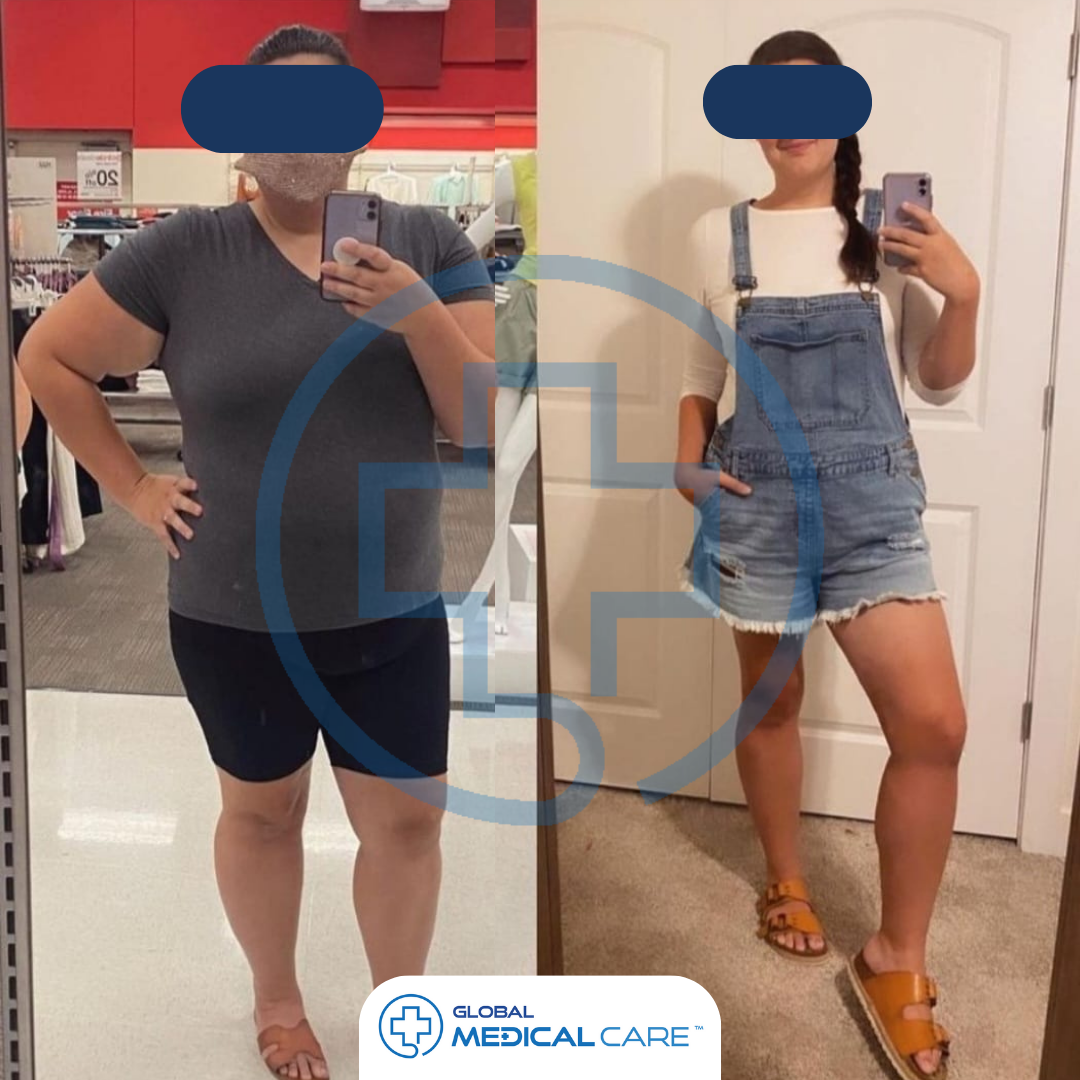
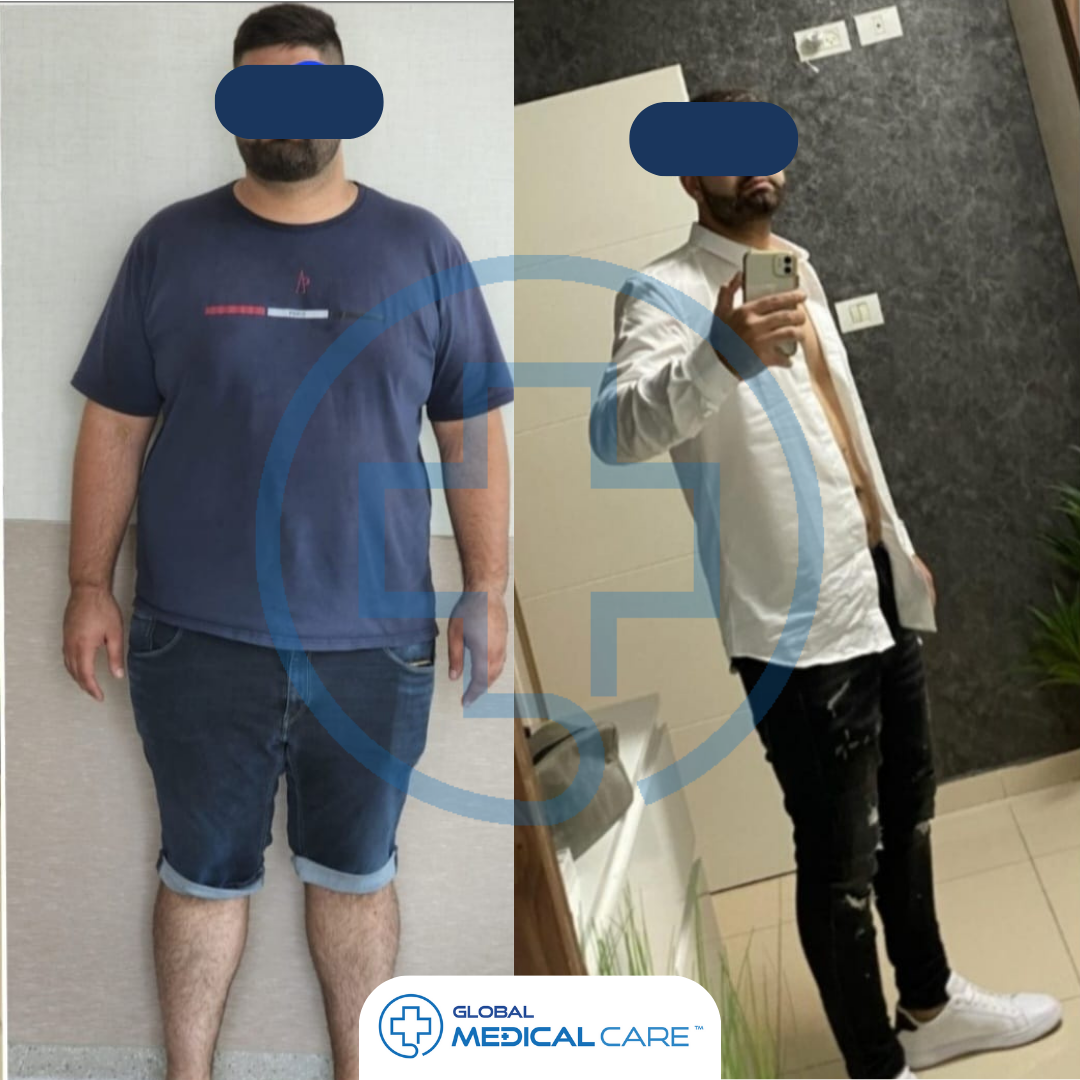
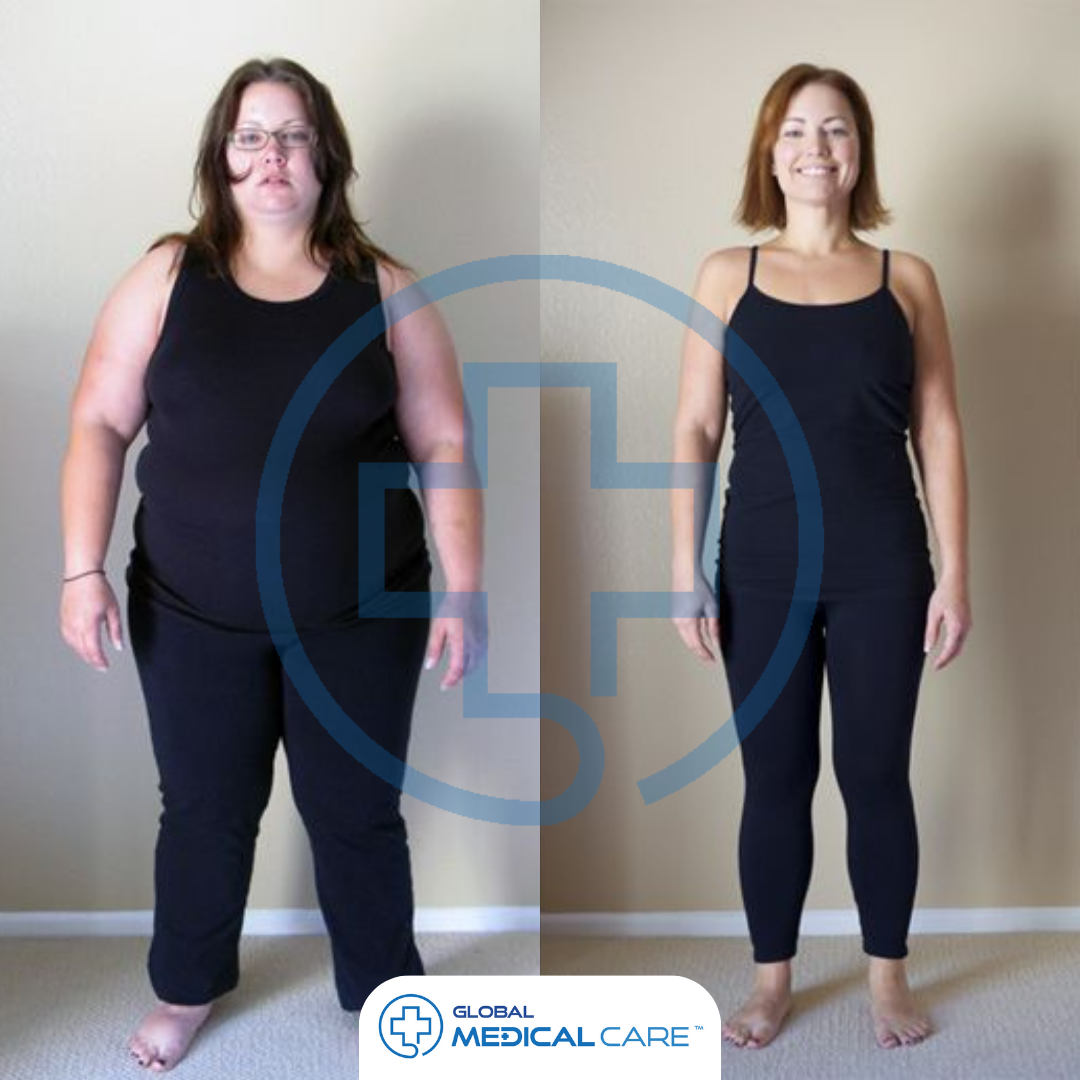
Gastric Sleeve: Experiences
Would you like to speak directly with clients who have had this operation?
Then request a free consultation and ask to be connected with them.























Risks and Considerations of a Bariatric Surgery
As with any surgical procedure, bariatric surgery carries risks and potential complications that should be understood before making a decision. These may include infection, bleeding, organ injury, blood clots, and nutritional deficiencies. Your partner surgeon will discuss the full range of risks with you during your pre-operative consultation.
It is important to have realistic expectations about outcomes. Whilst the procedure aims to support weight reduction and may contribute to improvements in associated health conditions, individual results vary significantly depending on health profile, lifestyle, and adherence to post-operative guidance. Your partner surgeon will review your medical history and discuss what may realistically be achieved in your specific circumstances.


























Why They Choose Global Medical Care?
Global Medical Care is a facilitation intermediary — we do not employ doctors, own hospitals, or perform procedures. What we provide is a coordinated journey: connecting clients with established partner clinics in Turkey, supporting logistics, and ensuring you have a dedicated patient coordinator who speaks your language throughout.
Our facilitation service is operated from Geneva and reflects our commitment to clear, transparent communication with every client before any commitment is made.
For details on the specific partner clinics and surgeons involved in your procedure, your patient coordinator can provide this information ahead of any commitment.

Swiss-Based Facilitation Commitment

bariatric
surgery turkey
Why Choose GMCare for Your Bariatric Surgery in Turkey?
Global Medical Care is a facilitation intermediary — we do not perform surgery, employ surgeons, or operate clinics. What we do is coordinate your entire journey, connecting you with partner clinics and surgeons in Turkey and managing the logistics so you can focus on your health and recovery.
Clients choose to work with GMCare because of the transparency of our facilitation process, the availability of a dedicated patient coordinator who speaks your language, and the straightforward structure of our service packages. We help you ask the right questions, understand your options, and travel prepared.
For details on the specific partner clinics and surgeons involved in your procedure, your patient coordinator can provide this information ahead of any commitment.
Who Is a Candidate For Bariatric Operations?
Suitability for bariatric surgery is assessed by your assigned partner surgeon and medical team during consultation — not by Global Medical Care. Our patient coordinators can arrange a pre-travel online consultation with the relevant partner surgeon, so you can discuss your goals, medical history, and any questions before committing to travel.

For more information about Bariatric Surgey
Testimonials
See what our clients are saying
The testimonials shared on this website reflect the individual experiences of clients. Results and experiences vary. Global Medical Care is a facilitation intermediary and does not provide medical treatment directly.

Gastric Sleeve
Surgery review

Gastric Sleeve
Surgery review

Gastric Sleeve
Surgery review

Gastric Sleeve
Surgery review

Gastric Sleeve
Surgery review

Gastric Sleeve
Surgery review




Gastric Sleeve Side Effect
Gastric sleeve surgery (sleeve gastrectomy), like all surgical procedures, carries risks and potential side effects that should be understood before making a decision.
Some clients experience nausea, vomiting, or difficulty swallowing during the recovery period. More serious potential complications include infection, bleeding, and anastomotic leak (a leak at the surgical site), which may require further medical intervention. Longer-term considerations include nutritional deficiencies and gastro-oesophageal reflux disease (GERD).
Your partner surgeon will discuss the full range of risks and potential side effects with you during your pre-operative consultation.
Gastric Bypass Side Effect
Gastric bypass surgery carries potential risks and side effects including dumping syndrome, nutritional deficiencies, gallstones, infection, and ulcers. There is also a risk of intestinal blockage or narrowing at the stomach opening, which may require additional procedures to address.
Following surgery, adherence to post-operative dietary guidance is important. Some clients find managing eating habits and lifestyle changes challenging after bariatric surgery — support is available and your partner surgeon and medical team will advise on appropriate follow-up care. Weight management following surgery is an ongoing process that depends significantly on lifestyle factors.
Attention
If you are considering gastric sleeve surgery, it is important to have a detailed discussion about the possible risks and side effects with a qualified medical professional before making any decision.
Global Medical Care is a facilitation intermediary — we do not employ doctors, conduct medical evaluations, or determine surgical suitability. Suitability assessment is carried out by your assigned partner surgeon and their medical team during your consultation.
Our patient coordinators can arrange a pre-travel consultation with a partner surgeon so you can discuss your health profile, understand the risks, and make an informed decision before committing to travel.
Who is a Candidate for Bariatric Surgery?
Suitability for bariatric surgery is assessed by a qualified medical professional — not by Global Medical Care. The following are factors that are commonly considered during a medical suitability assessment. They are provided for general information only and do not constitute a suitability determination.
Body Mass Index (BMI): Bariatric surgery is commonly considered for individuals with a BMI of 40 or above, or a BMI of 35 or above where obesity-related health conditions are present. BMI alone does not determine suitability — each individual is assessed on their full health profile by their medical team.
Previous Weight Loss Attempts: Bariatric surgery is often considered where other weight management approaches, such as dietary change and increased physical activity, have not produced sustainable results. This is one factor among several assessed during a medical consultation.
Commitment to Lifestyle Changes: Bariatric surgery is one component of a longer-term weight management process. A commitment to post-operative dietary and lifestyle changes is an important part of the clinical assessment, as long-term outcomes depend significantly on lifestyle factors.
Global Medical Care’s patient coordinators can arrange a consultation with a partner surgeon to discuss your individual circumstances, medical history, and whether bariatric surgery may be appropriate for you.
Gastric Sleeve vs Gastric Bypass
Gastric sleeve and gastric bypass are two distinct bariatric surgical procedures, each with different mechanisms, nutritional implications, and risk profiles. The most appropriate procedure for any individual is determined by their partner surgeon based on medical history, health profile, and personal circumstances.
Some published research suggests that bariatric surgery may support significant weight reduction and improvements in obesity-related conditions such as type 2 diabetes, high blood pressure, and sleep apnoea — though outcomes vary significantly between individuals and are subject to post-operative lifestyle factors. If you wish to discuss specific outcome data, your patient coordinator can help arrange a consultation with a partner surgeon.
Gastric Sleeve:
- Procedure: A significant portion of the stomach is removed, leaving a smaller, tube-shaped stomach pouch
- Mechanism: Limits the amount of food that can be consumed at one time; may also affect gut hormones involved in appetite regulation
- Nutrition: Generally preserves normal nutrient absorption
- Considerations: Involves fewer anatomical changes than gastric bypass; nutritional deficiency risk is lower, though post-operative dietary guidance remains important
Gastric Bypass:
- Procedure: Creates a small stomach pouch and alters the connection of the small intestine
- Mechanism: Limits food intake and reduces nutrient absorption, resulting in lower calorie uptake
- Nutrition: May lead to nutritional deficiencies; long-term vitamin and mineral supplementation is typically required and should be discussed with your medical team
- Considerations: Associated with significant weight reduction in published clinical literature; may support improvement in conditions such as type 2 diabetes — individual outcomes vary
Things To Consider:
- Weight Loss: Published clinical literature suggests gastric bypass may be associated with greater weight reduction than gastric sleeve for some individuals — though outcomes vary significantly and depend on individual health profile and post-operative lifestyle
- Risks and Complications: Both procedures carry surgical risks; the most appropriate option for your circumstances is a clinical decision made with your partner surgeon, based on your full medical history
- Metabolic Conditions: Both procedures may support improvements in obesity-related health conditions such as type 2 diabetes and high blood pressure — individual outcomes vary and cannot be predicted
- Dietary Adherence: Both procedures require a commitment to post-operative dietary guidance; long-term outcomes depend significantly on lifestyle changes following surgery
Obesity Surgery In Turkey
- ALL-INCLUSIVE
- NO HIDDEN COST
- NO WAITING LIST
Flight, transfers, operation, hotel, and medication included
ANTALYA, IZMIR, ISTANBUL TURKEY
Request Free Consultation
Please fill in the form below and follow the instructions. One of our patient coordinators will be in touch. There is no commitment at this stage.
FAQs
Following bariatric surgery, it is important to follow your partner surgeon’s guidelines on exercise. Short, gentle walks are typically encouraged during the initial recovery period. The specific timing and intensity of physical activity will depend on your individual healing process and the type of procedure you underwent. Your partner surgeon will provide personalised guidance on returning to exercise.
Regular physical activity can offer several benefits for individuals following bariatric surgery:
- Stress management: Exercise may help reduce stress levels and support overall mental wellbeing
- Appetite regulation: Physical activity may help regulate appetite and support portion management
- Calorie expenditure: Exercise contributes to overall calorie balance and may support weight management
It is important to note that long-term outcomes following bariatric surgery depend primarily on dietary changes, adherence to post-operative guidance, and lifestyle factors. Exercise is a valuable complement to, not a substitute for, these changes. Your partner surgeon and medical team will advise on an appropriate activity plan.
Many bariatric surgeons prescribe a pre-operative diet, typically in the two to three weeks before surgery. The purpose is generally to reduce liver size and abdominal fat, which may support safer surgical access. These diets also help prepare clients for the dietary changes required post-surgery.
Your partner surgeon will provide specific pre-operative dietary instructions. A registered dietitian specialising in bariatric nutrition may also be involved in your care. It is important to follow the guidance provided by your medical team rather than generic dietary advice.
It is generally advisable to discuss pregnancy planning with your medical team before and after weight loss surgery. Many bariatric surgeons advise waiting a period of time after surgery before attempting to conceive, to allow the body to stabilise following rapid weight loss — the specific waiting period varies and should be discussed with your partner surgeon and GP.
Fertility may improve following weight loss surgery for some individuals, though reproductive health varies significantly between individuals. Some published research suggests that pregnancies following weight loss surgery may carry different risk profiles compared to pregnancies in women with obesity who have not had surgery — however, individual circumstances vary, and this should be discussed with your obstetric and bariatric medical teams before making any decisions.
Return-to-work timelines after weight loss surgery vary depending on the type of procedure, individual recovery, and the physical demands of your role. Some clients return to light office-based work within one to two weeks; others require a longer period. Your partner surgeon will provide specific guidance based on your circumstances.
Temporary hair loss is reported by some clients following weight loss surgery. It typically occurs during the months following surgery and is thought to be related to the body’s response to rapid weight loss and changes in nutritional intake — though the exact mechanisms are not fully understood.
Maintaining adequate intake of protein, vitamins, and minerals through diet and supplementation may help support hair health during recovery. Your healthcare provider will advise on appropriate nutritional supplementation. For most clients, hair loss following bariatric surgery is temporary — your medical team will advise on what to expect based on your individual circumstances.
Whether body contouring or skin removal surgery is needed or desired after significant weight loss is an individual decision that depends on personal circumstances, goals, and health.
Significant weight loss can result in loose or excess skin in various areas of the body, which may cause physical discomfort or practical difficulties for some individuals. Surgical procedures to address excess skin may be considered in such cases.
Not everyone who undergoes weight loss surgery will require or wish to pursue further surgery. Some individuals find that skin adapts over time; others choose to accept their changed body without further intervention. This is a personal decision best discussed with your medical team.
Weight regain following bariatric surgery is possible and should be understood as a realistic consideration before proceeding. Long-term outcomes depend on a range of factors including dietary habits, lifestyle changes, physical activity, and ongoing medical support.
Bariatric surgery is a tool, not a standalone solution. Combined with sustained lifestyle modifications and ongoing medical follow-up, it may support long-term weight management — though individual outcomes vary significantly.
Some published studies suggest that a proportion of clients are able to maintain significant weight loss over the long term following bariatric surgery, though findings vary across studies and populations. Your partner surgeon and medical team will discuss realistic long-term expectations during your consultation.
Weight loss surgery can affect the management of certain obesity-related medical conditions, and some individuals may be able to reduce or discontinue certain medications following surgery — for example, medications for type 2 diabetes, high blood pressure, or sleep apnoea may require review.
Any changes to medication must be made under the direct supervision of your GP or specialist — do not adjust or discontinue prescribed medication without medical guidance, regardless of improvements you may notice post-operatively.
Weight loss surgery does not directly cause alcohol misuse, but some studies — particularly involving gastric bypass — have identified an association between bariatric surgery and an increased risk of alcohol-related difficulties in some individuals. The reasons are not fully understood but may include:
- Changes in alcohol metabolism — the body may process alcohol differently after surgery, leading to faster and more pronounced intoxication at lower quantities
- Psychological factors — some individuals may use alcohol as a substitute coping mechanism following surgery
- Changes in reward pathways — surgery may affect brain chemistry in ways that can influence addictive behaviours
Practical guidance commonly provided by bariatric medical teams includes:
- Abstain from alcohol completely during the rapid weight loss period
- If consuming alcohol at all after recovery, do so in moderation and be aware of the enhanced effect
- Never drive or operate machinery after any alcohol consumption — intoxication may occur more quickly and at lower quantities than before surgery
- If alcohol consumption becomes difficult to manage, seek support from your GP, a counsellor, or an addiction support service
This is a clinically important topic. Discuss your personal risk profile with your partner surgeon and medical team before and after surgery.
This is a serious clinical question that should be discussed in depth with your partner surgeon and GP — not answered by a facilitation service.
What published clinical literature generally indicates is that severe obesity is associated with significant health risks, including increased risk of heart disease, stroke, type 2 diabetes, certain cancers, and reduced life expectancy. Bariatric surgery also carries surgical risks, including those inherent to any major procedure under general anaesthesia.
Whether the risks of surgery are outweighed by the risks of continuing without intervention depends on individual health status, the severity of obesity-related conditions, and personal circumstances. This assessment must be made by a qualified medical professional as part of a comprehensive pre-operative evaluation — not on the basis of website copy.
Global Medical Care facilitates access to partner surgeons and clinics who can conduct this assessment with you.
