
Face Lift
Surgery Turkey
Global Medical Care connects clients with leading partner surgeons and clinics in Turkey for face lift surgery. Our award-winning facilitation services are designed to make your journey straightforward, supported, and affordable.





Face Lift
Surgery
Turkey


Global Medical Care connects clients with leading partner surgeons and clinics in Turkey for face lift surgery. Our award-winning facilitation services are designed to make your journey straightforward, supported, and affordable.

Face Lift
Surgery
Turkey
Face Lift
Surgery Turkey
Request Free Consultation

























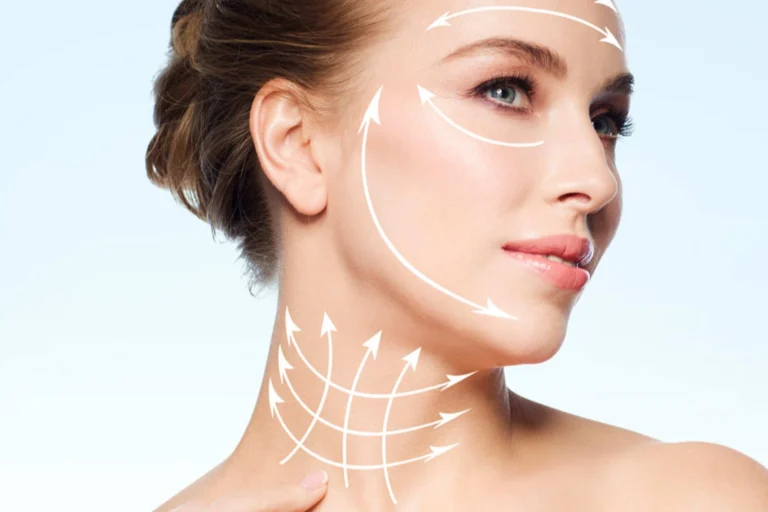
What is a Face Lift (Rhytidectomy)?
Facelift surgery is a cosmetic procedure that aims to address sagging skin, deep wrinkles, and loss of facial volume. It involves the removal of excess skin and the tightening of underlying facial muscles to create a more youthful and rejuvenated appearance. This procedure is typically sought by individuals who wish to reverse the effects of aging, improve facial contours, and boost their self-confidence
Benefits of Face Lifting
Facelift surgery is associated with a range of potential benefits. The procedure aims to address visible signs of ageing, including sagging skin, wrinkles, and fine lines. By tightening the underlying muscles and removing excess skin, the surgery may support a more youthful and refreshed appearance for suitable candidates. Face lifting can also contribute to improved facial contours and greater facial harmony. Many individuals who undergo facelifts report increased self-esteem and confidence following their procedure. Individual results will vary depending on each client’s circumstances and the assessment of their partner surgeon.
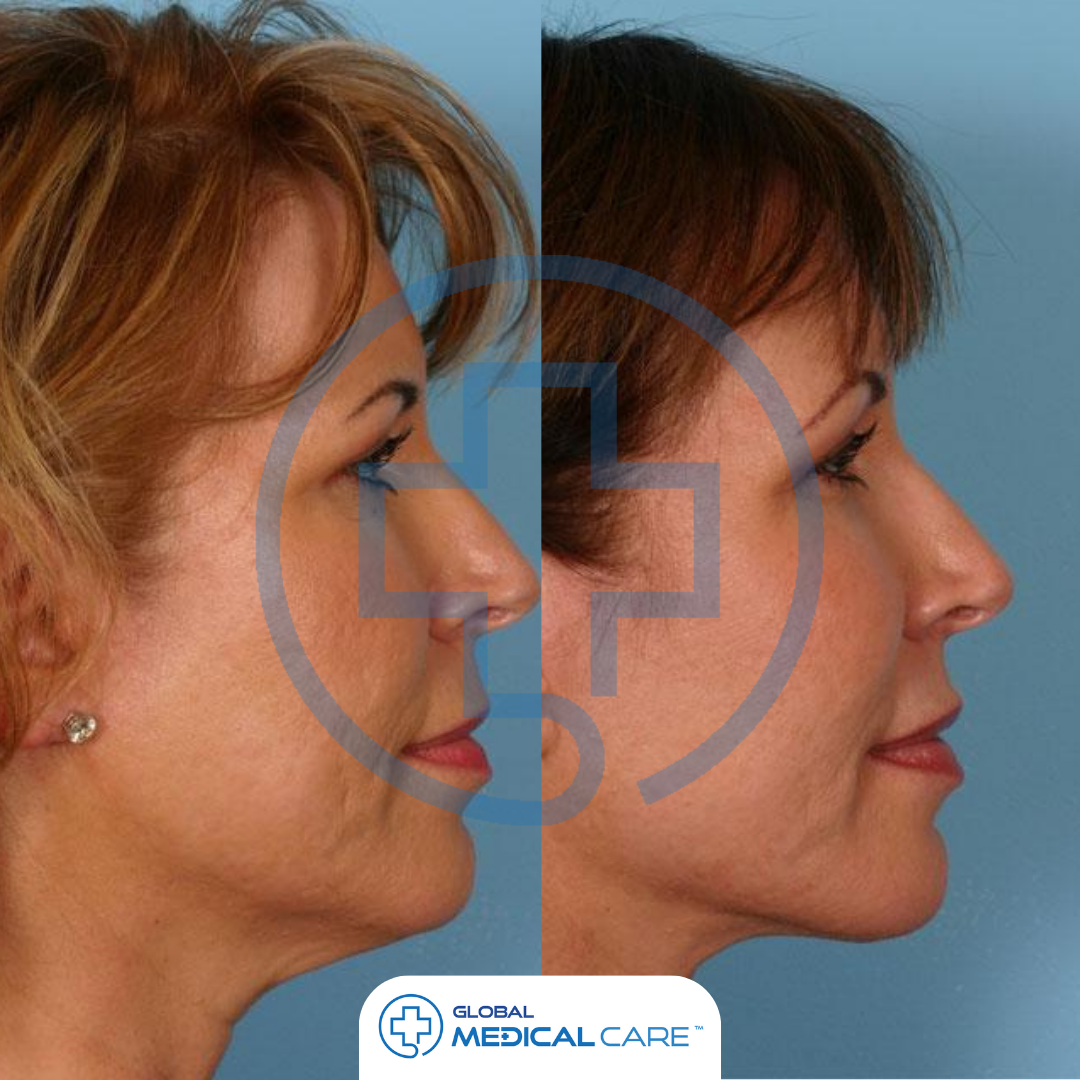
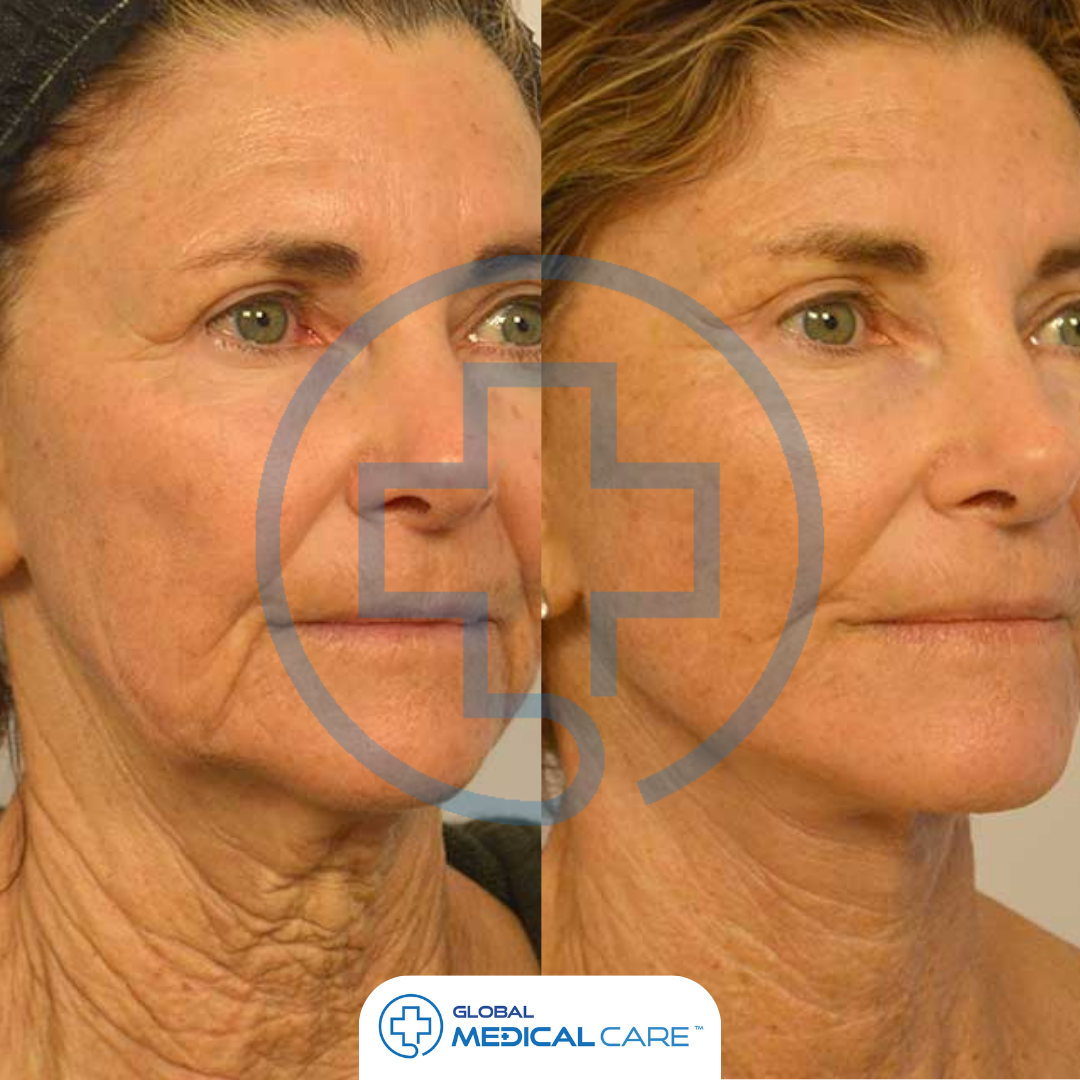
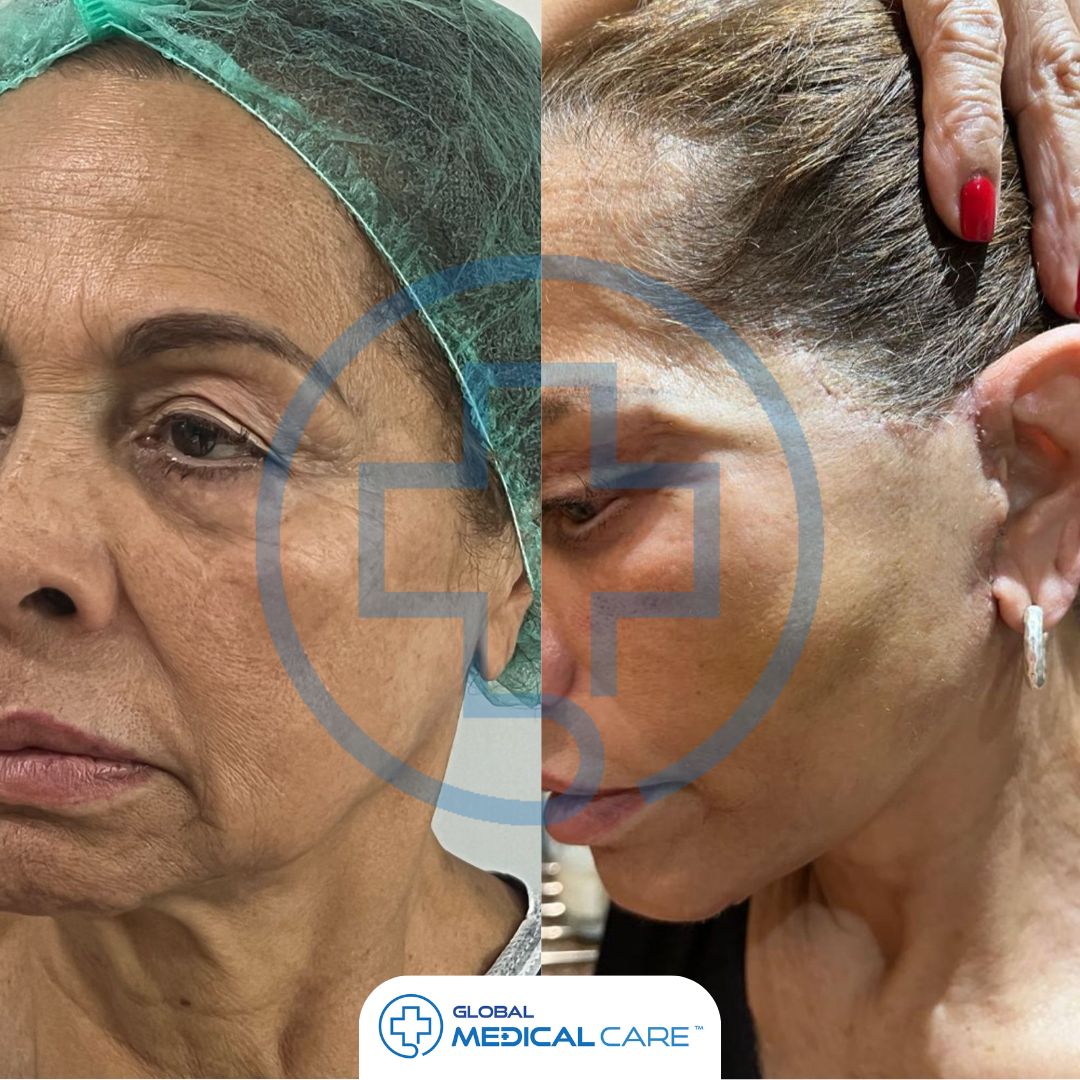
Facelift Surgery Before and After
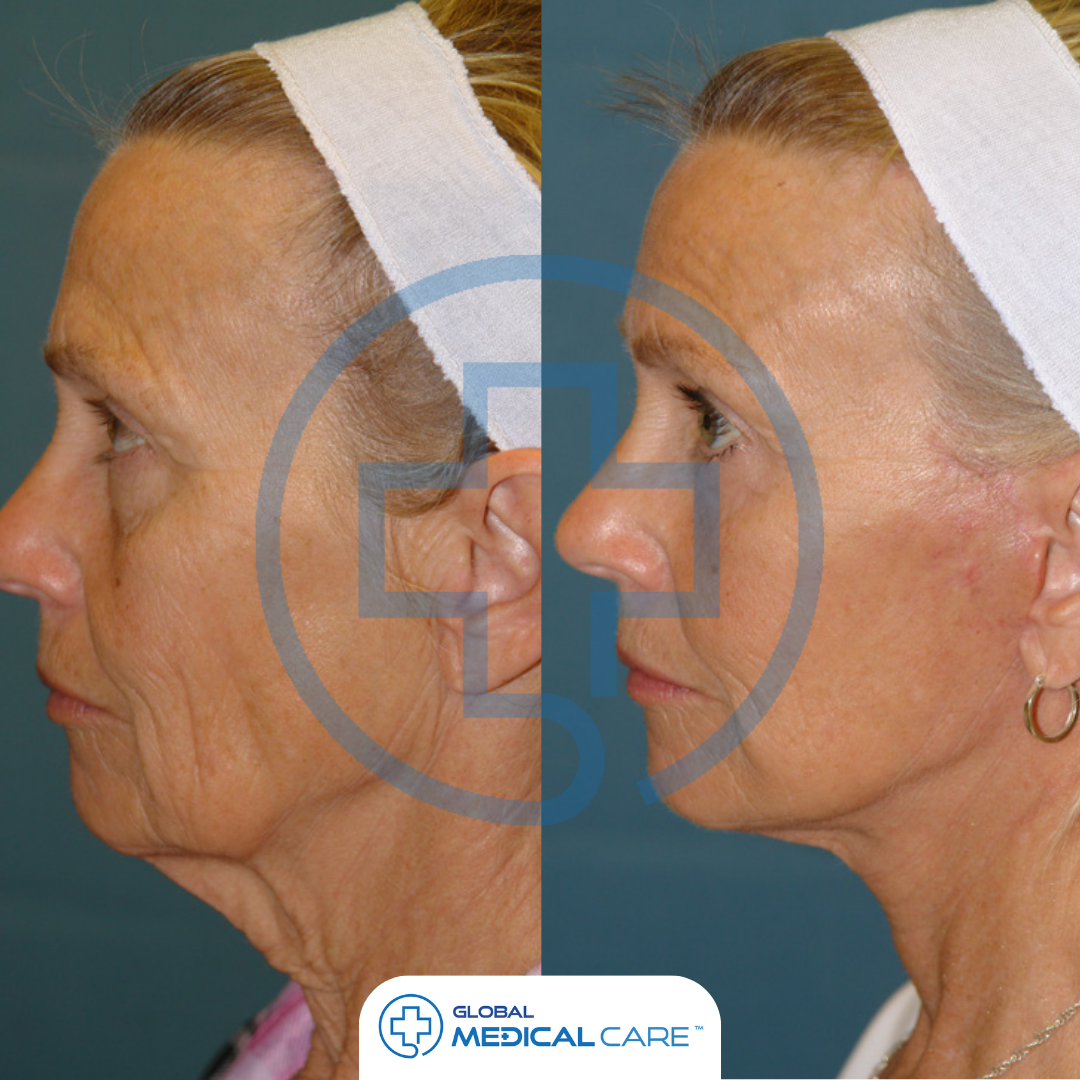
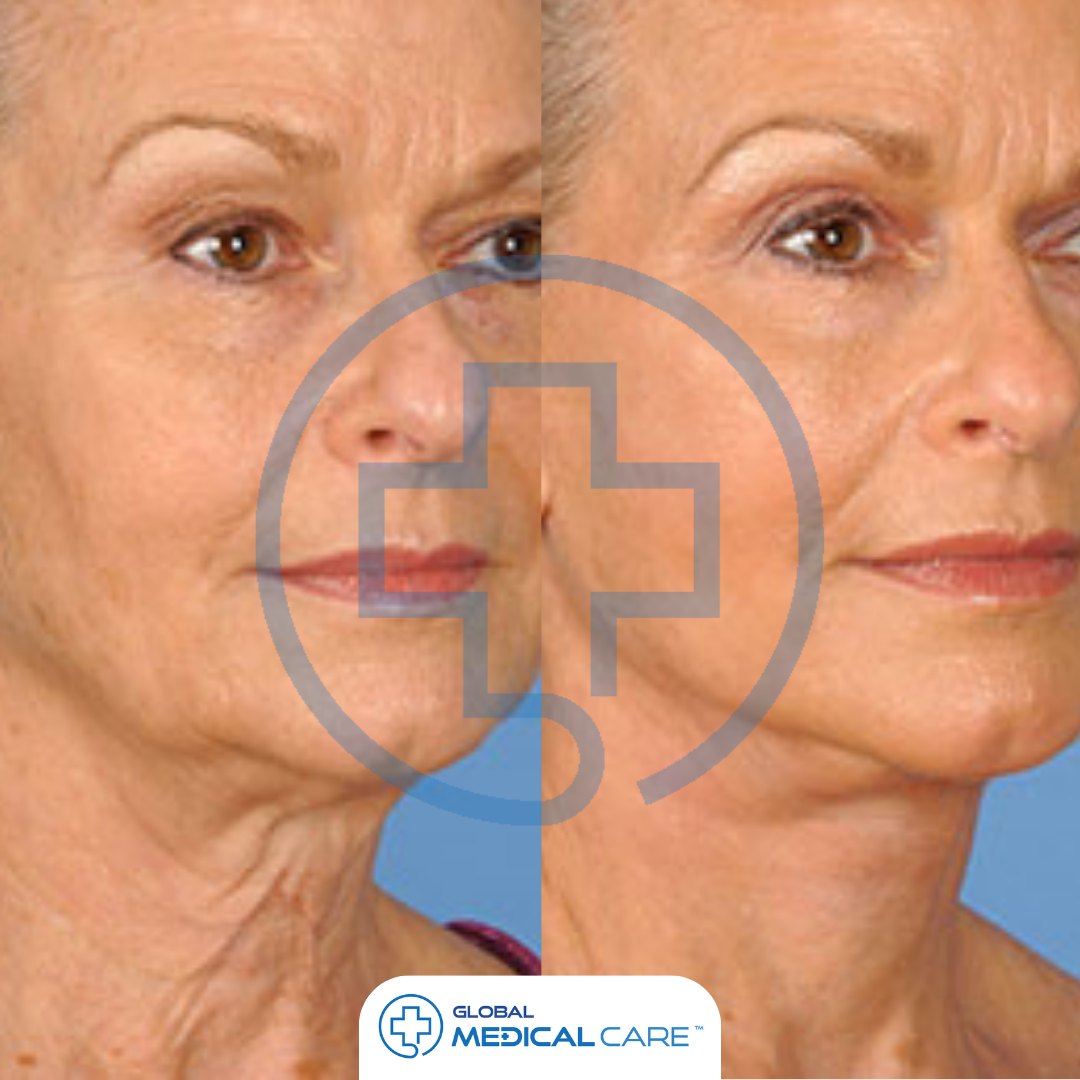
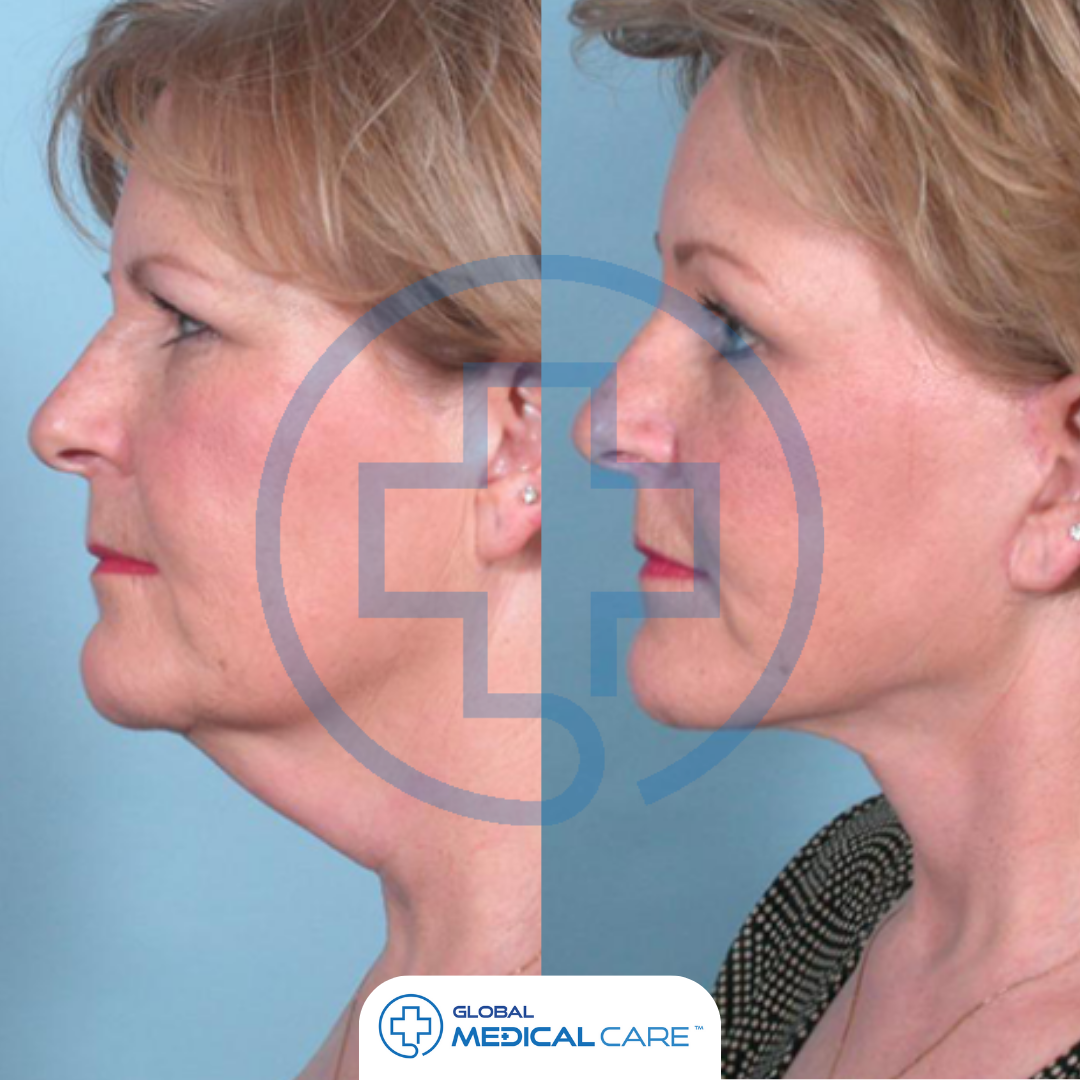
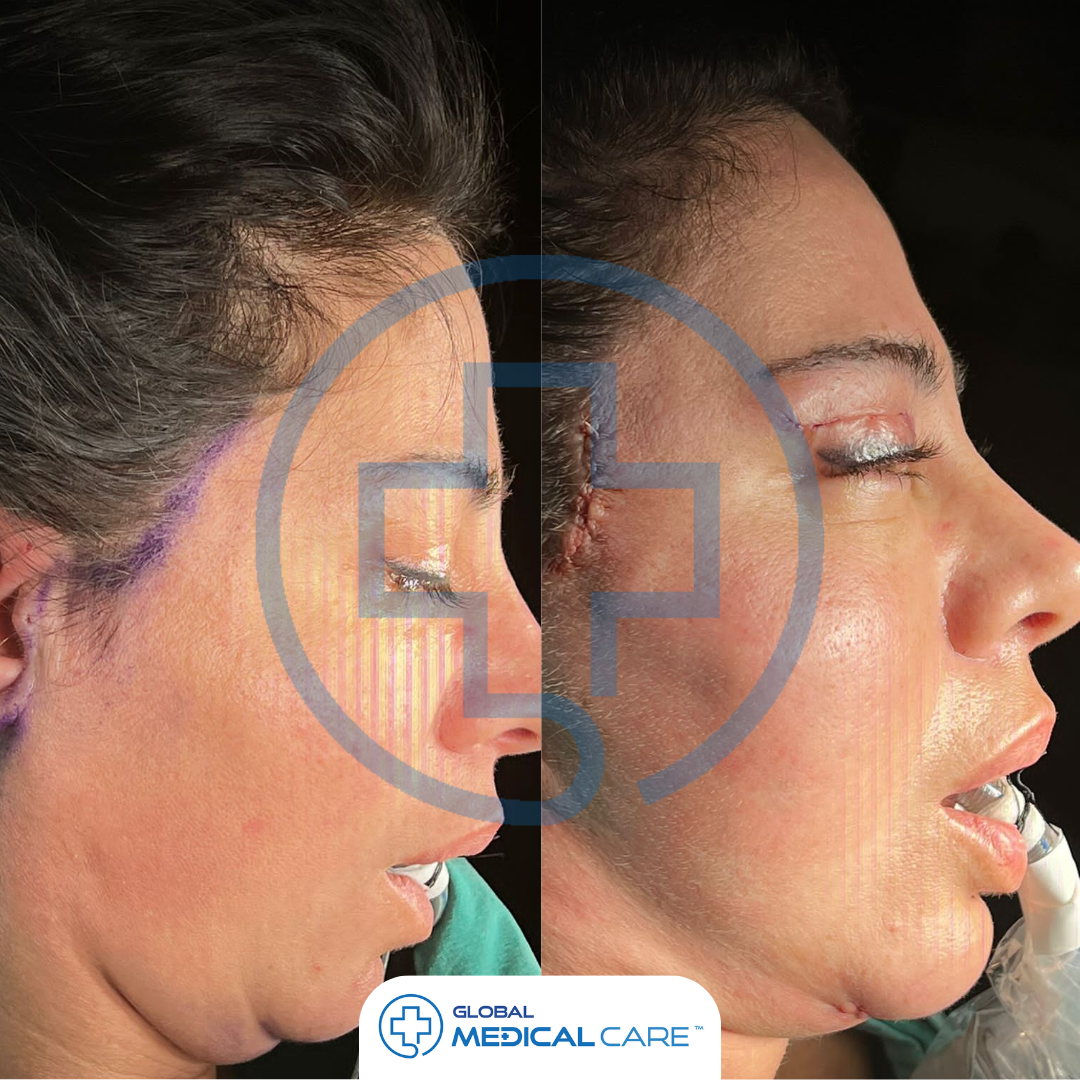
Different Types of Face Lift Procedures
There are various types of rhytidectomy procedures available, each designed to address different areas of the face. The traditional facelift focuses on the lower face and neck, addressing sagging skin and jowls. A mid-facelift targets the middle portion of the face, including the cheeks and nasolabial folds. For those with minimal signs of ageing, a mini facelift may be a suitable option. It is important to consult with a qualified partner surgeon to determine the most appropriate procedure for your individual circumstances.
Facelift Procedure Step by Step
The rhytidectomy procedure typically begins with the administration of anaesthesia to minimise discomfort throughout the surgery. The partner surgeon will then make discreet incisions, strategically placed to minimise visible scarring. Through these incisions, the underlying muscles are tightened, excess fat is removed or repositioned, and the skin is re-draped to support a more youthful and natural-looking appearance. The incisions are carefully closed, and dressings or bandages are applied to protect the surgical area.
Upper Facelift
An upper facelift, also known as a brow lift, is a cosmetic procedure targeting the upper face to address the forehead, eyebrows, and upper eyelids. By lifting sagging skin and muscles, the procedure aims to reduce the appearance of wrinkles and lift drooping brows, supporting a more youthful appearance for suitable candidates. This procedure may also improve vision where sagging brows obstruct sight. With tailored techniques, an upper facelift can contribute to improved facial aesthetics. Individual results will vary depending on each client’s circumstances and the assessment of their partner surgeon.
Lower Facelift
A lower facelift is a cosmetic surgery procedure aimed at addressing the lower portion of the face, including the jawline, cheeks, and neck. This surgical intervention targets sagging skin, deep wrinkles, and loss of definition in the lower face that can occur due to ageing or weight loss. By tightening the underlying muscles and removing excess skin, a lower facelift may support a more youthful and sculpted appearance in the jawline and neck area for suitable candidates. Additionally, this procedure can address the development of jowls and improve the overall contour of the face. With advancements in surgical techniques, lower facelifts can be tailored to the individual circumstances and goals of each client following assessment by a partner surgeon.
Facelift After Surgery
After undergoing facelift surgery, proper post-operative care plays an important role in supporting recovery. Initially, clients may experience swelling, bruising, and discomfort, which can typically be managed with prescribed medications and cold compresses. It is essential to follow the partner surgeon’s instructions regarding wound care, activity restrictions, and follow-up appointments to monitor progress. Clients should avoid strenuous activities and heavy lifting during the initial recovery period to allow the tissues to heal. As swelling and bruising subside over the following weeks, many clients begin to notice gradual improvements in facial contour and skin appearance. Individual recovery times vary, and most clients are able to return to regular activities within a few weeks, though timelines differ depending on each person’s circumstances.After undergoing facelift surgery, proper post-operative care is crucial to ensure optimal healing and long-lasting results. Initially, patients may experience swelling, bruising, and discomfort, which can be managed with prescribed medications and cold compresses. It’s essential to follow the surgeon’s instructions regarding wound care, activity restrictions, and follow-up appointments to monitor progress. Patients should avoid strenuous activities and heavy lifting during the initial recovery period to allow the tissues to heal properly. As swelling and bruising subside over the following weeks, patients will gradually notice the full effects of the facelift, with improvements in facial contour and skin tightness becoming more apparent. While individual recovery times may vary, most patients can expect to return to their regular activities within a few weeks, feeling more confident and rejuvenated.

face lift surgery
turkey
Why Choose GMCare for Your Face Lift Surgery in Turkey?
At Global Medical Care, we are dedicated to connecting clients with leading partner surgeons and clinics in Turkey for face lift surgery. Our carefully coordinated client experience is designed to combine access to quality medical facilities with personalised support at every stage of your journey.
Global Medical Care has built a strong network of partner hospitals across Turkey, equipped with cutting-edge technology and modern infrastructure. Partner surgeons within the network are selected based on their qualifications, experience, and clinical track record, to support the highest possible standard of care for every client.
Multiple Offers to Choose From
Tailor your healthcare journey with a wide range of customizable medical packages designed to meet your unique needs
European Contract to Protect Your Rights
Benefit from legally binding European contracts that safeguard your rights and support transparency throughout your medical travel journey.
Competitive Pricing, No Compromise on Quality
Access high-quality treatments through our partner clinics at transparent, pre-set prices — combining affordability with high medical standards.
Advanced Medical Technologies
Access cutting-edge medical technologies and advanced procedures at modern facilities across Europe through the Global Medical Care network.
Face Lift Suitable for Me?
Experienced partner surgeons can assess your individual circumstances, determine which treatments may be suitable for you, and discuss your options in detail. Global Medical Care also arranges the opportunity for you to meet your partner surgeon before your travel.

For more information about Face Lifting Surgery
Facelift Cost
UK vs. Turkey Facelift Cost
Facelift costs uk in the UK typically range from £8,000 to £10,000, depending on the procedure and clinic. Accessing treatment through GM Care in Turkey may offer a more cost-effective alternative, with flexible payment options available.
Face Lift Price in Turkey
Face lift prices change with the following parameters:
- Qualifications of the clinic
- Technique to be used for the lifting
- Whether it will be combined with neck lift or not
- Certifications of the surgeon
Please fill in the following Free Consultation Request form. One of our patient coordinators will aim to provide you with options within 24 hours.
Request Free Consultation
Please fill in the below form and follow the instructions. One of our patient coordinators will contact you. There is no commitment at this stage!
Testimonials
See what people are saying
These testimonials shared reflect the individual experiences of clients. Results and experiences vary. Global Medical Care is a facilitation intermediary and does not provide medical treatment directly.




Face Lift Recovery and Aftercare Tips
Following a rhytidectomy, proper recovery and aftercare play an important role in supporting healing. Your partner surgeon will provide detailed instructions on how to care for your incisions, manage any discomfort, and minimise swelling and bruising. It is important to follow these instructions carefully, as they are designed to support healing and reduce the risk of complications. Additionally, you should avoid strenuous activities, protect your skin from excessive sun exposure, and attend all follow-up appointments to monitor your progress.
Risks and Complications of Rhytidectomy Facelift Surgery
As with any surgical procedure, a rhytidectomy carries certain risks and potential complications. These can include infection, bleeding, scarring, nerve damage, and unfavourable scarring. By choosing a qualified and experienced partner surgeon, following pre- and post-operative instructions, and maintaining a healthy lifestyle, clients can take steps to reduce these risks. It is important to discuss any concerns or questions with your partner surgeon to ensure you are well-informed before proceeding.
Facelift Side Effects
Facelift surgery carries risks such as bruising, swelling, or temporary numbness. Rare complications may include infection, nerve damage, or unsatisfactory scarring. Clients should discuss all concerns with their partner surgeon and follow post-operative care instructions carefully to support recovery and minimise the risk of complications.
FAQs
You need to rest and limit your routine activities for a while after the operation. You are supposed to follow the instructions given by your doctor regarding scar care and medication details.
After facelift surgery, most clients notice a change in their appearance. Partner surgeons aim to achieve a natural-looking result, though individual outcomes will vary depending on each client’s circumstances, anatomy, and the specific technique used.
Face lifting procedure has important effects on vertical lines around the mouth area. However, laser skin surfacing and other dermal fillings can additionally be applied to get rid of the lines and wrinkles around the mouth zone.
Many clients choose to combine face-lifting surgery with additional treatments. Eyelid surgery and brow lifts are among the most commonly requested combinations.
Before undergoing a face lifting procedure, laser skin resurfacing treatment may be beneficial to address sun-damaged areas. Treating the skin beforehand can support better overall outcomes, though individual results will vary. You may contact us for more information about available options and pricing for combined procedures.
Your partner surgeon will provide detailed instructions tailored to your individual situation. Please wait for your personalised list before acting, as requirements may differ. The following is general guidance typically shared by partner surgeons with their clients:
- You should keep your wound dressings dry until they are removed
- After the dressing removal, an elastic wrap will be given to you to apply to your face. Make sure to keep the elastic wrap in place at all times
- You will be given a prescription for pain medication as well as antibiotics by your doctor. Please follow the medication plan that your doctor sets for you
- You should not drive or consume alcohol while you are on pain medication
- You should take your pain medication with food. This helps to minimise the nausea caused by pain medications
- You should gradually transition your diet from liquids to soft food (such as oatmeal, yogurt, soup, and pasta)
- You should rest for the entire day after your facelift surgery
- You should sleep with your head elevated, using two to three pillows, for one week after your procedure
- You should avoid bending, lifting, or straining
- You should not drive for one week following your facelift surgery
- You should take at least one week off from work
- You should keep your incisions dry
- You may take a bath, but ensure your incisions and hair remain dry
- You may wear make-up to cover facial bruising one week after your procedure
- You should protect your face from sun exposure. A hat and sunglasses are advisable
You will receive a detailed, personalised list from your partner surgeon covering what to do and what to avoid before the procedure. Please wait for your personalised instructions before acting. The following is general guidance typically shared by partner surgeons with their clients:
- You should inform your surgeon about your routine medication and health history
- You should avoid taking any products containing aspirin, ibuprofen, or non-steroidal anti-inflammatory medications for one week before surgery. If you are on medication, please inform your surgeon accordingly
- You should avoid all nicotine products, including cigarettes, pipe tobacco, chewing tobacco, or nicotine patches, for one week before surgery
- You should avoid alcohol consumption for one week before your procedure
- You should not eat or drink anything for eight hours before the operation. No food, water, coffee, juice, or other liquids should be taken on the morning of the procedure. The only exception is medication, which may be taken with a small amount of water
- You may brush your teeth
- You should not wear make-up, hair sprays, or conditioners. Please remove nail polish
- You should not wear any jewellery or body piercings
Although it may vary from client to client, here is a typical daily schedule for face-lift operations:
First Day:
- You arrive at the airport and your driver will wait for you at the exit of the customs zone with a tag with your name.
- You will be transferred to the hospital and introduced to your patient coordinator, who is fluent in your language.
- After the initial registration procedure, you will meet your partner surgeon in person. Your surgeon will explain the procedure in detail, examine you, and discuss your preferences and expectations.
- You will have your pre-procedure checks in preparation for the face lift operation.
- The procedure will then begin and will last approximately two to four hours.
- Within an hour after the procedure, the anaesthesia will ease and you will regain consciousness.
- Most clients undergoing facelift surgery are given a cold facemask after the procedure to soften the tissues and help reduce swelling and bruising.
- Your doctor will perform an initial check-up, and you will stay at the hospital on the first night.
2nd Day:
- This will be a healing and rehabilitation day.
- Your doctor will perform a check-up in the morning.
- You will be advised on your medication and provided with instructions on the dressing routine and use of the cold mask.
- You will continue to rest at the hospital for the remainder of the day.
3rd Day:
- This will be another healing and rehabilitation day.
- Your doctor will perform a check-up in the morning before your discharge from the hospital.
- You will move to your hotel room and rest as much as possible for the remainder of the day.
4th, 5th and 6th Day:
- You are advised to continue resting in your hotel room.
- You should avoid strenuous activities, but light walks or going out for dinner are generally suitable.
- Shopping or attending a sightseeing tour may be a suitable option if you feel well enough.
7th Day:
- You will visit your doctor at the hospital for final checks, removal of dressings, and removal of clips or stitches.
- Your doctor will advise you further on medication and the activities you can resume during your facelift recovery period.
- You will be ready to return home after the seventh day.
No, your surgeon will do this.
You should expect to swell, especially during the first three days after the surgery. The swelling on your face will gradually disappear. You can sleep with your head and shoulders elevated to minimize the swelling.
Yes, there will be two drains placed at the back of your ears. Your surgeon will remove them on your second day of surgery.
The healing process varies from person to person but usually takes between 1 and 2 weeks. Symptoms such as swelling, bruising, and tenderness are normal
You can find out whether you are a suitable candidate by requesting a consultation and assessment with a qualified partner surgeon.
The results of a facelift are usually immediately noticeable, but the results become more pronounced as the healing process is completed, this process may take several weeks.
After a facelift with modern techniques, scars may be minimal and heal over time.
Depending on the general health condition of the person, a facelift can be performed at any age. However, there may not be specific age restrictions.
Facelift is usually performed under general anesthesia, but in some cases, local anesthesia or sedation may be preferred.
You can usually return to light activities a few days after surgery, but full recovery may require several weeks.
While a facelift can produce long-lasting improvements, the natural ageing process continues after the procedure. Some degree of sagging or wrinkling may develop over time. Individual outcomes vary depending on each client’s skin type, age, and lifestyle factors.
