
Gastric Bypass
Surgery Turkey
Global Medical Care connects clients with leading partner surgeons and clinics in Turkey for Gastric Bypass Surgery. Our award-winning facilitation services are designed to make your journey straightforward, supported, and affordable.





Gastric Bypass
Surgery
Turkey


Global Medical Care connects clients with leading partner surgeons and clinics in Turkey for Gastric Bypass Surgery. Our award-winning facilitation services are designed to make your journey straightforward, supported, and affordable.

Gastric
Bypass
Surgery
Turkey
Gastric Bypass
Surgery Turkey
Request Free Consultation


























Gastric Bypass Surgery
Gastric bypass surgery is a procedure used to assist people with serious obesity in managing their weight. It alters the digestive tract so that the body absorbs fewer calories. For suitable candidates, it can support significant and sustained weight reduction, and may contribute to improvements in obesity-related health conditions. Individual outcomes vary depending on each client’s circumstances and adherence to post-operative guidance.
Gastric bypass surgery involves creating a small stomach pouch at the top of the stomach to serve as the new functional stomach. This pouch is then connected directly to the small intestine. The larger section of the stomach and the initial portion of the small intestine are bypassed. As a result, less food is consumed and fewer calories are absorbed, which supports weight loss over time.

gastric bypass
surgery
in turkey
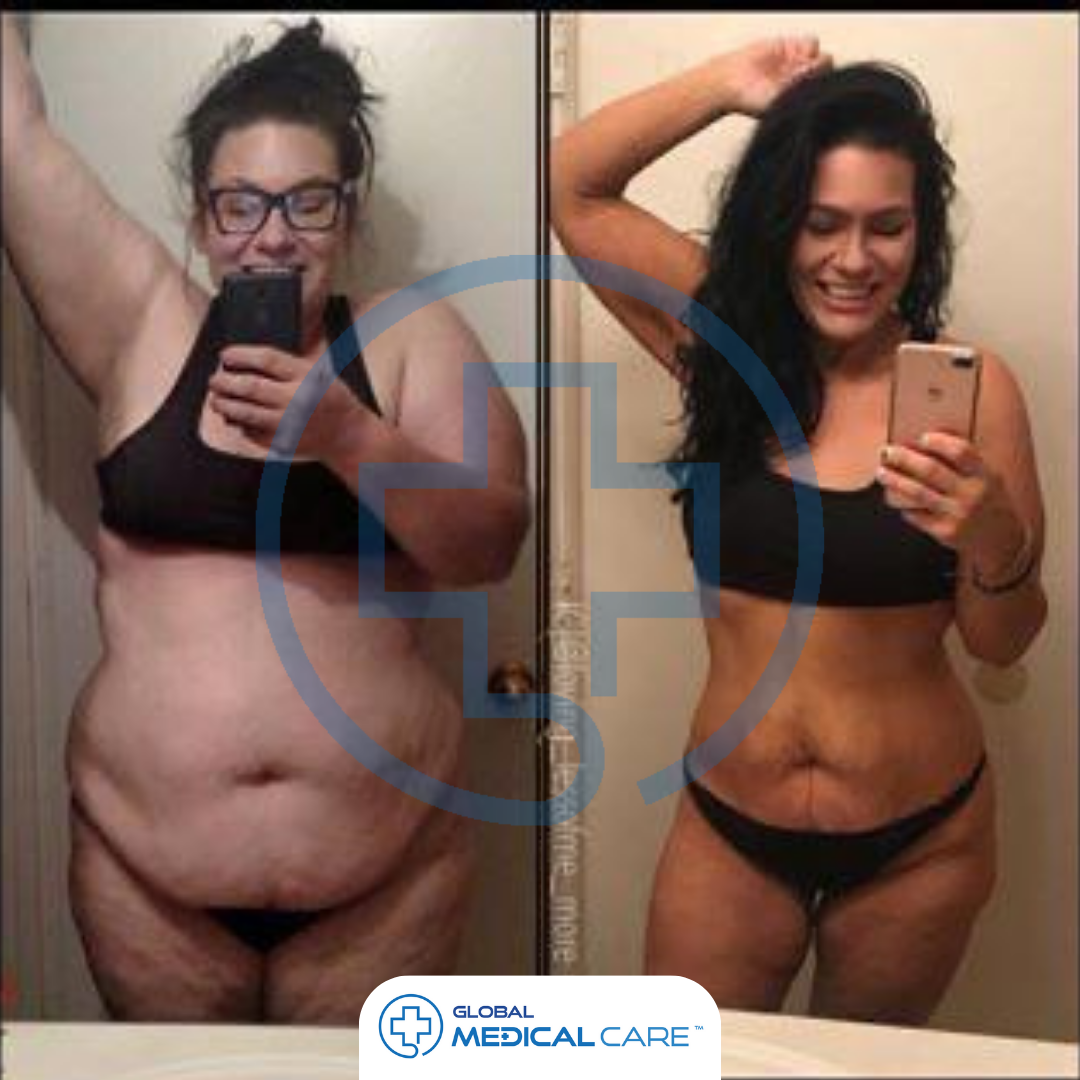
Gastric Bypass Experiences
Would you like to speak directly with clients who have had this operation? Then request a free consultation and ask to be connected with them.







Gastric Bypass Surgery Process
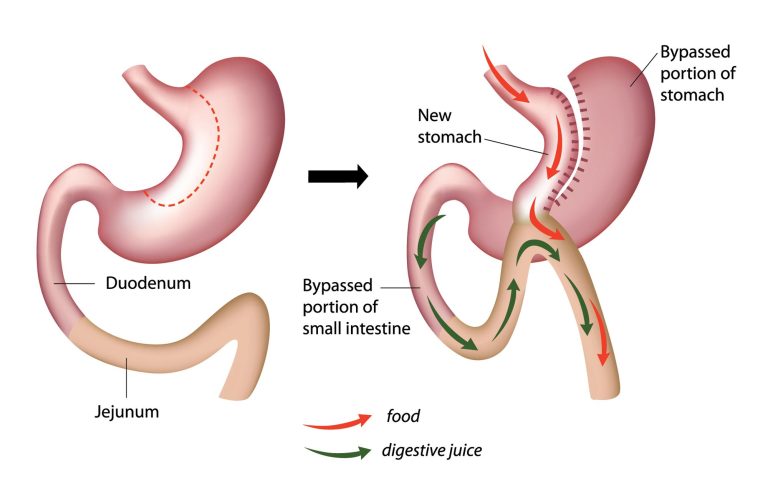
Gastric bypass surgery begins with the administration of general anaesthesia. The partner surgeon then makes small incisions in the abdominal area to access the stomach. The procedure can be performed either as open surgery or laparoscopically — using a small camera and specialised instruments inserted through the incisions to allow the surgeon to visualise and operate on the stomach with minimal invasion.
The surgeon creates a small pouch at the top of the stomach by stapling or suturing, which becomes the functional stomach. A section of the small intestine is then detached and connected directly to this new pouch. The remaining section of the stomach and the initial portion of the small intestine are bypassed, altering the digestive pathway. The unused portion of the intestine is then reconnected further along to maintain the flow of digestive fluids.
Once all adjustments are complete, the incisions are closed with sutures or staples. The duration of the procedure varies depending on complexity and the surgical approach used. Following surgery, clients are moved to a recovery area for monitoring. A hospital stay of several days is typically required to support recovery.
Gastric Mini Bypass Surgery
In obesity surgery, mini gastric bypass (MGB) is a procedure used by partner surgeons to reduce stomach capacity and connect it to the small intestine, addressing obesity and related health conditions.
MGB is one of several types of gastric bypass procedure. Standard gastric bypass involves reducing the stomach to create a small pouch, which is then connected to the small intestine. Mini gastric bypass is a less invasive alternative, typically involving a simpler surgical approach and shorter operating time.
Mini gastric bypass reduces stomach capacity, supporting reduced food intake and altered nutrient absorption, which may contribute to weight loss for suitable candidates. The most appropriate procedure varies for each individual. Consulting a partner specialist about the advantages and limitations of each option is essential before proceeding.
Traditional Gastric Bypass and Mini Gastric Bypass
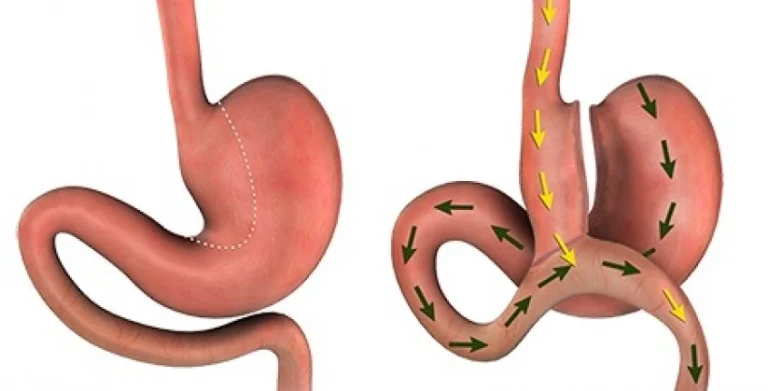
When talking about getting smaller waistlines with surgery, there’s the traditional gastric bypass and its smaller counterpart, the mini gastric bypass. Both procedures aim to reduce weight through a similar approach, but they differ in execution.
The well-known Roux-en-Y gastric bypass, a procedure performed for many years, creates a small stomach pouch and bypasses part of the small intestine. It alters the digestive pathway, reducing the amount of food that can be consumed and limiting calorie absorption. This established procedure is associated with meaningful weight loss outcomes for suitable candidates.
The mini gastric bypass, also known as the single-anastomosis gastric bypass, is an alternative approach. It is a less complex and less invasive procedure, in which the partner surgeon creates a longer, narrower stomach tube and connects it directly to the small intestine. The mini gastric bypass is less common than the traditional gastric bypass but is gaining recognition due to shorter operating times and a potentially lower complication profile.
Benefits of Gastric Bypass
Gastric bypass surgery can offer significant benefits for suitable candidates managing serious obesity. For many clients, the procedure supports meaningful weight reduction, which may in turn contribute to improvements in obesity-related health conditions such as type 2 diabetes, sleep apnoea, joint pain, and high cholesterol. Individual outcomes vary and depend on each client’s circumstances, adherence to dietary guidance, and lifestyle changes following the procedure. Gastric bypass surgery may also support improvements in mobility and overall quality of life for suitable candidates, though results differ between individuals.
The Recovery Process After Gastric Bypass Surgery
Recovery following gastric bypass surgery varies between individuals, though most clients require several weeks before resuming normal activities. In the immediate post-operative period, it is common to experience discomfort, swelling, and fatigue. Pain medication prescribed by your partner surgeon should be taken as directed, and rest is important during the early recovery phase.
In the weeks following surgery, appetite typically changes as the body adjusts. Your partner surgeon will schedule regular follow-up appointments to monitor progress, address any concerns, and provide ongoing support. Adhering to the dietary and lifestyle guidance provided by your medical team is an important part of achieving the best possible outcome from the procedure.

best bariatric
surgery in turkey
Why Choose GMCare for Your Bariatric Surgery in Turkey?
At Global Medical Care, we are dedicated to connecting clients with leading partner surgeons and clinics in Turkey for bariatric surgery, including gastric bypass. Our carefully coordinated client experience is designed to combine access to quality medical facilities with personalised support at every stage of your journey.
Global Medical Care has built a strong network of partner hospitals across Turkey, equipped with modern technology and infrastructure. Partner surgeons within the network are selected based on their qualifications, experience, and clinical track record, to support the highest possible standard of care for every client.
Our Gastric Bypass Packages
Below you can find our all-inclusive gastric bypass packages.
- Global Medical Care works to secure competitive pricing through its network of partner clinics, offering transparent pre-set rates.
- If you find a comparable offer at a lower price, please contact us and we will do our best to match it, subject to terms.

Obesity Surgery In Turkey
- ALL-INCLUSIVE
- NO HIDDEN COST
- NO WAITING LIST
Flight, transfers, operation, hotel, and medication included
ANTALYA, IZMIR, ISTANBUL TURKEY
Gastric Bypass Weight Loss and Other Weight Loss Surgeries
Gastric bypass is one of several surgical options available for individuals seeking to address serious obesity. Each approach has its own advantages and considerations, and the most appropriate choice depends on individual health factors and circumstances. It is important to consult a qualified partner specialist to determine the best approach based on your medical profile and personal goals. Below is a brief comparison of gastric bypass with other commonly performed weight loss procedures.
Gastric Bypass Surgery vs Sleeve
In gastric sleeve surgery, a portion of the stomach is removed, reducing its overall capacity. Unlike gastric bypass, this procedure does not alter the pathway of the small intestine. The gastric sleeve is generally a less complex procedure with a shorter operating time than gastric bypass. Both surgeries can support significant weight loss, but the most suitable option depends on individual factors and personal circumstances.
Gastric bypass vs duodenal switch
The duodenal switch combines elements of both gastric bypass and gastric sleeve surgery. It involves removing part of the stomach and redirecting the small intestine — similar in principle to gastric bypass. The duodenal switch is a more complex procedure and is typically reserved for individuals with more severe obesity or specific metabolic conditions.
Ultimately, selecting the most appropriate weight loss procedure depends on a range of factors including medical history, body mass index (BMI), lifestyle, and personal preference. A thorough assessment by a qualified partner specialist is essential to determine the most suitable approach for each individual.
Gastric Bypass vs Other Weight Loss Options
The gastric sleeve is a form of bariatric surgery that reduces the capacity of the stomach. Like all surgical procedures, it carries a degree of risk. Common post-operative side effects include nausea, vomiting, and temporary difficulty swallowing. In some cases, more serious complications may occur, such as infection, bleeding, or leakage at the surgical site. Longer-term considerations may include nutritional deficiencies or gastroesophageal reflux disease (GERD). These risks should be discussed in full with a qualified partner specialist before proceeding.
Will I be able to eat normally after gastric bypass surgery?
Gastric bypass surgery significantly reduces the amount of food that can be consumed at one time, and dietary habits will need to change on a lasting basis following the procedure. While a wide variety of foods can still be enjoyed, portion sizes will be considerably smaller, and certain foods may need to be limited or avoided to prevent discomfort or complications. Your partner specialist and dietitian will provide detailed dietary guidance tailored to your individual circumstances.
How much weight can I expect to lose after gastric bypass surgery?
Weight loss following gastric bypass surgery varies significantly from person to person and depends on individual circumstances, adherence to dietary guidance, and lifestyle changes after the procedure. Weight loss typically occurs gradually over time and may slow as the body adjusts. Your partner specialist will discuss realistic expectations based on your individual health profile during your consultation.
Gastric Bypass Surgery Recovery
Proper recovery following a gastric bypass procedure plays an important role in supporting the best possible outcome. Key guidance includes:
Follow Your Partner Surgeon’s Instructions: Adhere to the dietary, activity, and medication guidelines provided by your partner surgeon following surgery.
Resume Exercise Gradually: Reintroduce physical activity progressively and only in line with guidance from your partner specialist.
Follow Your Dietary Plan: Stick to the eating plan provided by your medical team and ensure adequate hydration throughout your recovery.
Monitor for Warning Signs: Be alert to any signs of complications, such as infection, unusual pain, or other unexpected symptoms, and contact your partner clinic promptly if concerned.
Seek Support if Needed: It is entirely appropriate to seek emotional or psychological support following major surgery. Speak to your partner specialist or a qualified professional if you have concerns about your wellbeing.
Attend All Follow-Up Appointments: Maintain all scheduled follow-up appointments with your partner surgeon to monitor your progress and address any questions.
Allow Time for Results: Weight loss and recovery following bariatric surgery occur gradually. Adhering consistently to the guidance provided by your medical team is the most important factor in achieving your long-term health goals.
Gastric Bypass Surgery Risks
Gastric Bypass Surgery Risks
As with any surgical procedure, gastric bypass carries a degree of risk. Understanding these risks in advance is an important part of making an informed decision. Key considerations include:
Surgical Complications: There is a small risk of bleeding, infection, or adverse reaction to anaesthesia, as with any major procedure.
Gastrointestinal Symptoms: Nausea, vomiting, bloating, or intolerance to certain foods are common in the adjustment period following surgery. Adhering to post-operative dietary guidance supports recovery.
Dumping Syndrome: Consuming foods high in sugar or fat too quickly may cause nausea, dizziness, or abdominal discomfort. Following the recommended dietary plan helps minimise this risk.
Nutritional Deficiencies: As nutrient absorption is altered by the procedure, additional vitamins and supplements are typically required on an ongoing basis. Your partner surgeon will provide specific guidance on supplementation.
Gallstones and Ulcers: Rapid weight loss following surgery can increase the risk of gallstones, and certain foods or medications may contribute to ulcer formation. Staying well hydrated and following dietary recommendations can help reduce these risks.
Bowel Changes: Some clients experience constipation, diarrhoea, or intestinal blockages following surgery. Adequate hydration and a fibre-rich diet support digestive function.
Weight Regain: Surgical intervention supports weight loss but long-term outcomes depend on sustained dietary and lifestyle changes following the procedure.
Emotional and Psychological Adjustment: Significant weight loss can be accompanied by a range of emotional responses, including anxiety or mood changes. Seeking appropriate support from a qualified professional is encouraged if needed.
Many of these risks can be managed effectively by following the guidance of your partner surgeon and medical team, and by maintaining the recommended dietary and lifestyle changes over time.
Side Effects of Gastric Bypass
Undergoing gastric bypass surgery carries the possibility of side effects, including nausea, dumping syndrome, and nutritional deficiencies. Other potential complications include infection, blood clots, or intestinal obstruction. Maintaining regular contact with your partner surgeon and adhering to the dietary plan provided are important steps in managing these risks and supporting long-term outcomes.
Who Is a Candidate For Gastric Bypass?
Bariatric surgery is generally advised for individuals with a BMI of 40 or higher (or BMI of 35 or above when accompanied by other health conditions). However, a thorough evaluation by a qualified healthcare professional is essential to confirm suitability. Candidates should be prepared to commit to long-term lifestyle changes, including a healthy diet and regular physical activity, and should have a clear understanding of the associated risks and benefits. Each client’s situation is unique, and the most appropriate decision is made in consultation with a qualified partner surgeon.

For more information about Gastric Bypass
Request Free Consultation
You will be contacted by one of our patient coordinators. Send us photos and details of your gastric history. There is no commitment at this stage!
Testimonials
See what people are saying.
The testimonials shared reflect the individual experiences of clients. Results and experiences vary. Global Medical Care is a facilitation intermediary and does not provide medical treatment directly.





Obesity Treatment Review

Obesity Treatment Review

Shannon Tonaj

Obesity Treatment Review

Obesity Treatment Review

Obesity Treatment Review
FAQs
Yes it is. And it cannot be reversed.
The cost of gastric bypass surgery in Turkey varies depending on the clinic, the type of procedure, and the services included. Packages typically cover the surgical procedure, hospital accommodation, and pre- and post-operative care. Please contact us for current pricing tailored to your individual requirements.
Clients are generally advised to remain in Turkey for approximately 7–10 days following gastric bypass surgery. This typically allows for a short post-operative hospital stay, followed by routine check-ups and an initial recovery period before returning home.
Following gastric bypass surgery, clients will need to adjust to a new eating pattern. Initially, the diet consists of liquids, gradually progressing to puréed, soft, and then solid foods. Over time, clients can consume a variety of foods, though in considerably smaller portions than before the procedure.
Three months after gastric bypass surgery, clients can generally include most liquids in their diet, including non-carbonated, non-alcoholic beverages. It is important to adhere to your partner surgeon’s or dietitian’s guidelines throughout the recovery period.
Turkey has a well-established medical tourism infrastructure, with many facilities holding international accreditation. Global Medical Care works exclusively with partner hospitals that hold relevant international or local accreditations. As with any surgical procedure, individual risks should be discussed in full with your partner surgeon prior to proceeding.
Numerous hospitals in Turkey are recognised for bariatric procedures including gastric bypass surgery. Global Medical Care works with a network of internationally and locally accredited partner hospitals, selected on the basis of their qualifications, facilities, and clinical standards.
The timeline for arranging gastric bypass surgery in Turkey mainly depends on the individual’s health evaluation and necessary preparation for the surgery. Generally, it can be scheduled within a few weeks following the preliminary consultation.
Turkey is a well-established destination for weight loss surgery, offering a combination of accredited medical facilities and competitive pricing. Global Medical Care partners with accredited hospitals and qualified surgeons in Turkey to support a safe and well-coordinated experience for clients. Individual risks should always be discussed with your partner surgeon prior to any procedure.
Although every surgical procedure carries certain risks, duodenal switch surgery is often considered one of the more complex and higher-risk weight loss procedures. However, it is also associated with significant weight loss outcomes for suitable candidates. The most appropriate choice of surgery should be based on an individual’s health profile and the advice of their partner specialist.
Turkey’s lower cost of living and healthcare operating costs allow medical procedures to be offered at more competitive prices than in many Western countries. This difference in pricing does not reflect a difference in the standard of care available. Global Medical Care’s partner clinics maintain internationally recognised accreditation standards, and clients have access to qualified surgeons and modern facilities.
Weight loss surgery is generally more affordable in Turkey than in many Western countries, primarily due to lower operating costs and cost of living. This difference in pricing does not reflect a lower standard of care. Global Medical Care’s partner clinics maintain internationally recognised accreditation standards, and clients have access to qualified surgeons and modern medical facilities.
The gastric band procedure is generally considered to be the least painful weight loss surgery as it is less invasive than other surgeries. However, the perception of pain varies among individuals and depends on several factors, including the surgical technique and post-operative care.
Gastric Bypass may be suitable for people who are looking for a weight loss method to manage obesity and have failed with other methods.
Side effects of Gastric Bypass surgery may include nausea, vomiting, gas, and changes in stool control.
Gastric bypass surgery typically begins to show results within the first few months, with weight loss continuing over a period of up to a year or more depending on individual circumstances. Each client is different, and outcomes depend on adherence to dietary guidance and lifestyle changes following the procedure.
The nutrition plan after Gastric Bypass surgery should include a balanced diet, frequent small portions, and vitamin supplements.
The follow-up process after Gastric Bypass surgery includes regular follow-up checks with your surgical team. These checks are important to monitor your health status and ensure early detection of any problems.
Following gastric bypass surgery, check-up frequency is typically higher in the initial post-operative period. Ongoing regular appointments should continue thereafter, in line with your partner surgeon’s recommendations and your individual health requirements.
